Explore without midsummer heat
Monthly averages are 20.0°C in December, 18.3°C in January and 18.6°C in February—comfortable for drives and walks away from intense summer sun.
WINTER IN MIYAKO
When mainland Japan is deep in winter, Miyakojima feels closer to autumn in Tokyo. Drive the island, watch the sea, eat well and slow down at your villa—this is the island time found only from December to February.
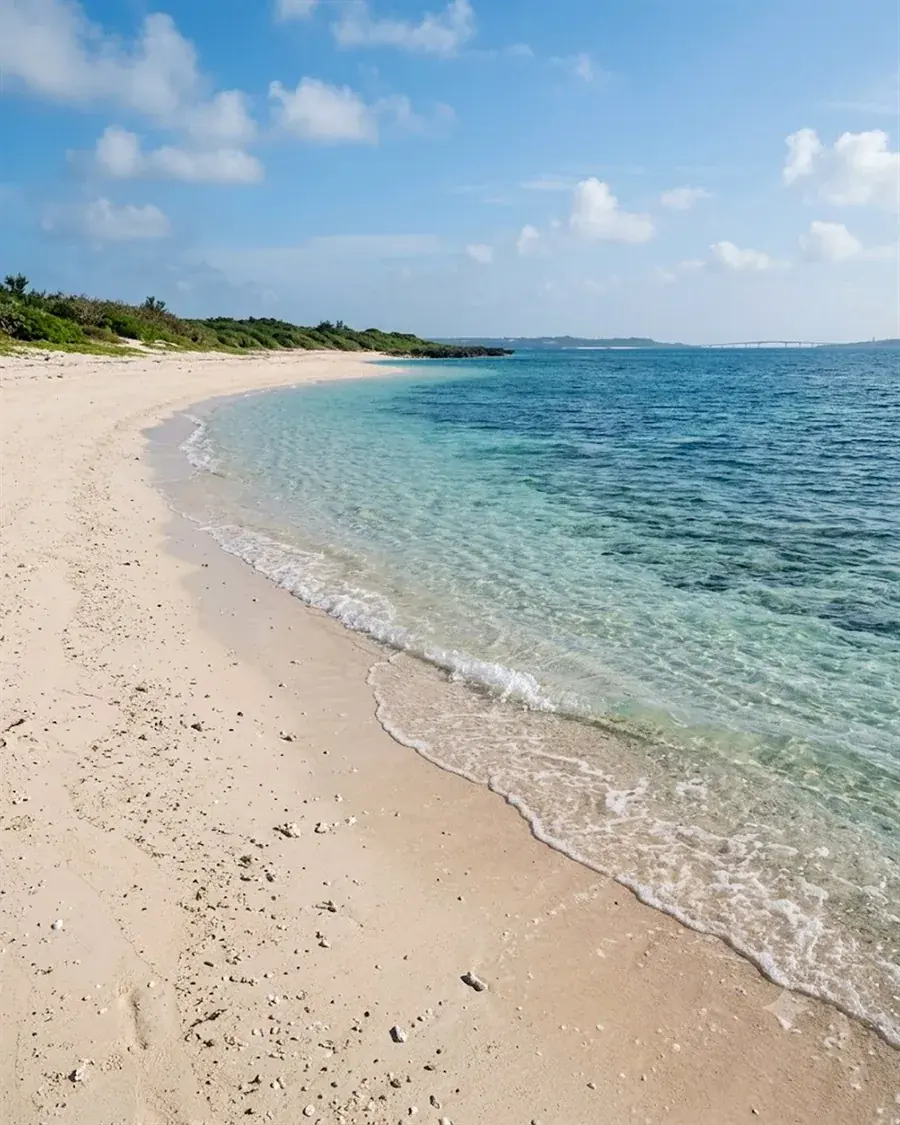
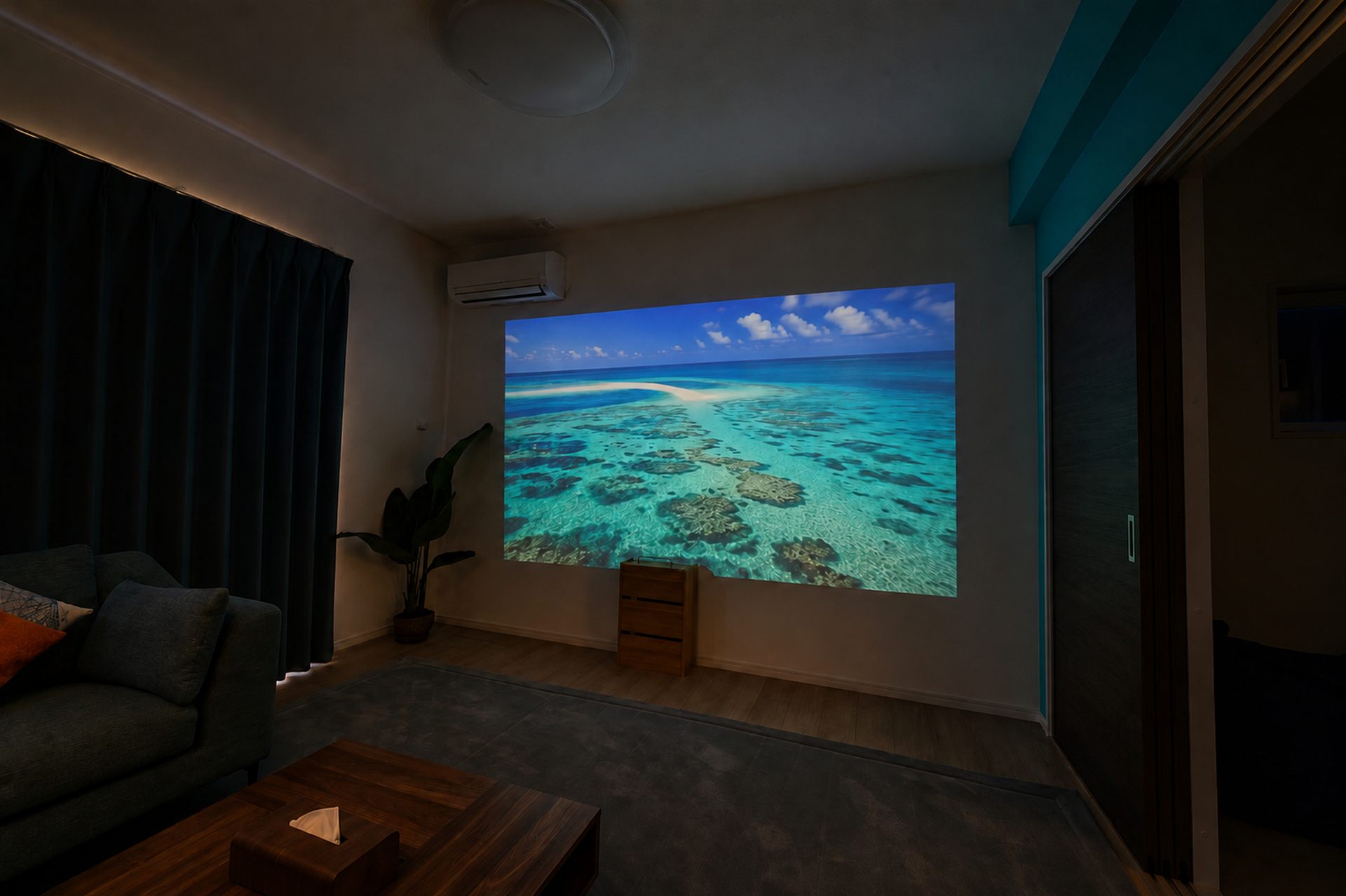
TOKYO & MIYAKO
Miyakojima averages 18.3°C in January and 18.6°C in February. Tokyo averages 18.0°C in October. All figures are Japan Meteorological Agency climate normals for 1991–2020.
Leave heavy mainland coats behind and enjoy drives and walks in weather that feels more like autumn in Tokyo. One light windproof jacket keeps the island's northerly breeze comfortable.
THE SHORT ANSWER
Yes, Miyakojima is well worth visiting in winter. Treat it as a different journey from summer and its strengths become clear: sea views, drives, food, indoor experiences and time together at the villa, all at a slower island pace.
Winter monthly averages remain around 18–20°C. Sunny afternoons suit walks and drives, while a light jacket covers days when the northerly wind picks up.
In a private villa, cooking island ingredients, watching a film and planning the next day become part of the holiday. Winter suits a stay where the villa is more than a place to sleep.
WHY WINTER
Rates change by date. These are the kinds of time and space that winter itself adds to a Miyakojima trip.
Monthly averages are 20.0°C in December, 18.3°C in January and 18.6°C in February—comfortable for drives and walks away from intense summer sun.
Some winter months receive fewer visitors than the high-demand summer and autumn period. The season suits unhurried drives and spontaneous stops for a view.
Cross bridges, follow the coast and walk the sand. The sea stays in view even when swimming is not the centre of the day.
The main typhoon period around Miyakojima runs from summer into autumn. Winter sits outside that central season.
Cooking, laundry, films and conversation become part of the holiday. A private villa with a large living room and kitchen comes into its own.
Sea, indoor experiences, food, shopping and villa time: keep two ideas ready and choose the one that fits the day.
Plan around naps and meals rather than a fixed swimming schedule. Time at the villa becomes part of the family's fun.
Drive the island on clear days and enjoy food or villa time when the wind rises. Three nights or more adds the freedom to choose.
Okinawa has very little Japanese cedar and cypress compared with mainland Japan, making a warm island stay an option during the mainland cedar-pollen season.
ESCAPE CEDAR POLLEN
Japanese cedar pollen becomes widespread across mainland Japan in February. Okinawa has very little Japanese cedar or cypress, and its official tourism website introduces the idea of spending pollen season in Okinawa.
February in Miyakojima averages 18.6°C. A private villa with a kitchen and laundry lets you stay several days and settle into the island as if living here.
Share of Okinawa's forest area made up of Japanese cedar and cypress
Source: Okinawa Story, official tourism website
WINTER UNDERWATER
The main period for manta rays around Miyakojima is from December to March. Winter diving brings a great encounter that summer water does not.
Join a local dive operator and experience their scale and graceful movement underwater while following the rules that protect the animals and the site.
DECEMBER TO FEBRUARY
Climate normals are a planning guide; real weather changes from day to day. Check the latest forecast before departure.
Warm compared with mainland midwinter. Enjoy daytime drives and walks, with one light layer for mornings and evenings.
Close to October in Tokyo. Layers and a windproof jacket keep walks around the island comfortable.
A season for warmth and a break from mainland cedar pollen. Wind-resistant outerwear and walking shoes are useful companions.
Miyakojima is warmer than mainland Japan in winter, but the northerly wind becomes stronger. Boats may not operate in some conditions. Marine tours departing from Ikema Island are a good winter option.
JANUARY NIGHT SKY
This night sky was photographed in Miyakojima in January. The island day continues after a drive and time by the sea.
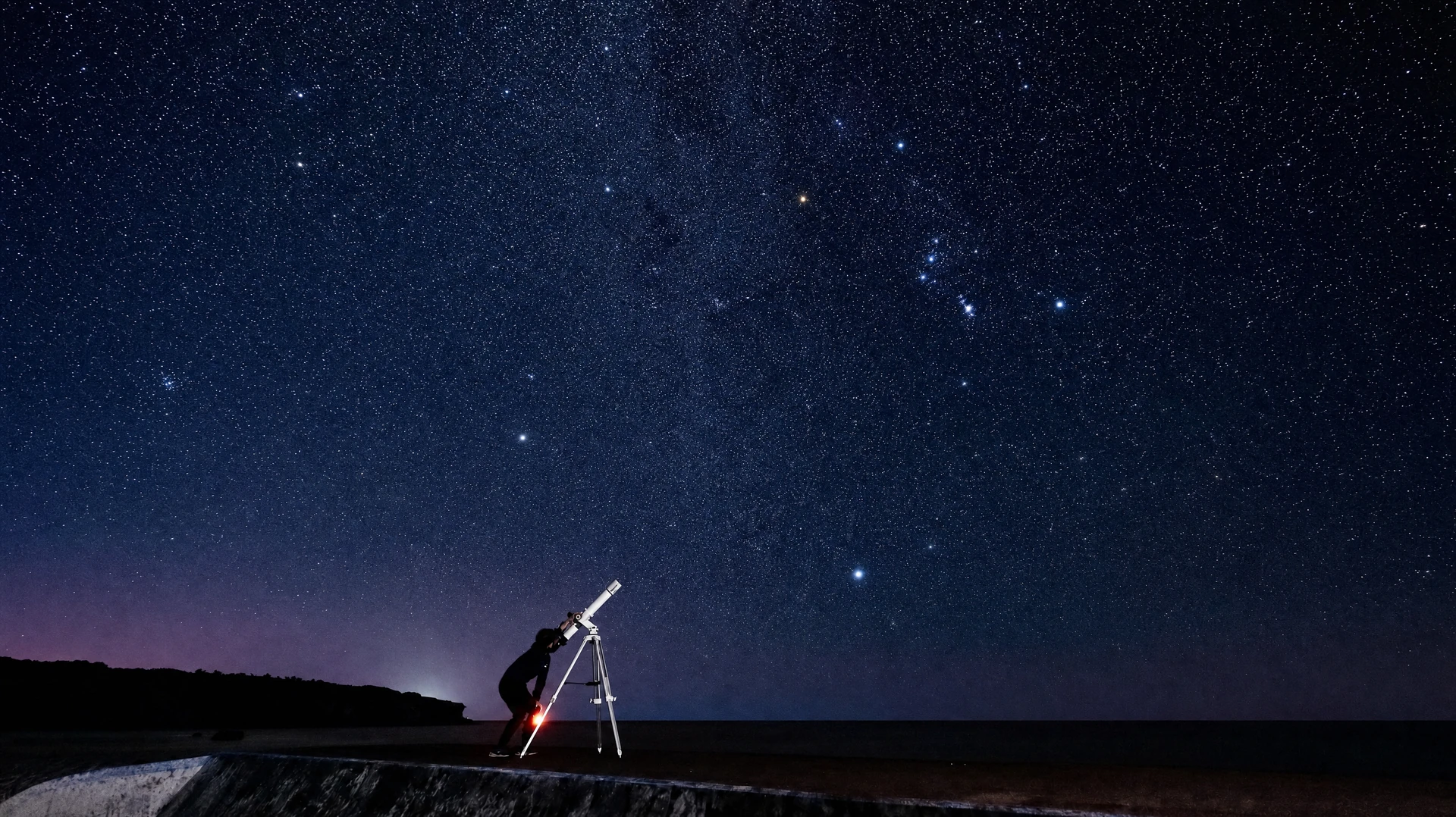
See Miyako Blue by day and look up at the stars after dark. Winter turns the hours outside the water into part of the journey.
Miyako Beach Resort provides a telescope, so families and friends can return to the villa and enjoy the night sky together.
3 NIGHTS / 4 DAYS
Do not stack every outdoor activity on consecutive days. Leave room to rearrange the order around the weather.
Flights, the rental car and luggage already make arrival day active.
Bring coastal scenery and bridges together, leaving room to stop whenever a view catches you.
Let the day's sky lead you to an indoor experience, shopping and cooking at the villa.
Prioritise packing, fuel and returning the rental car. Add a stop only if time allows.
RAIN & WIND
The Miyakojima Tourism Association lists craft experiences, the Marine Park and factory visits among its rainy-day options. Check current opening information and reservation requirements.
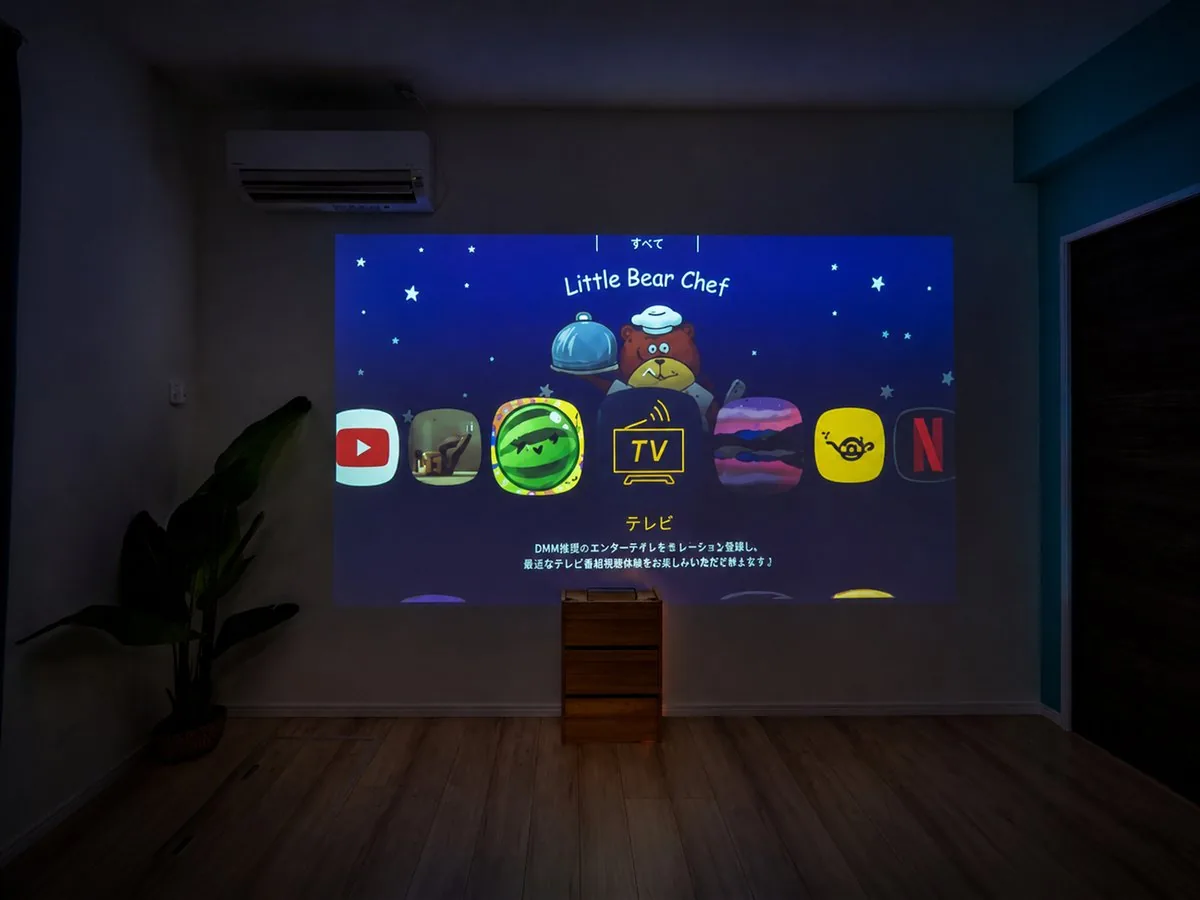
Premier Villa Miyako has a wall-size projector with Netflix, turning an afternoon after exploring the island into relaxed time together.
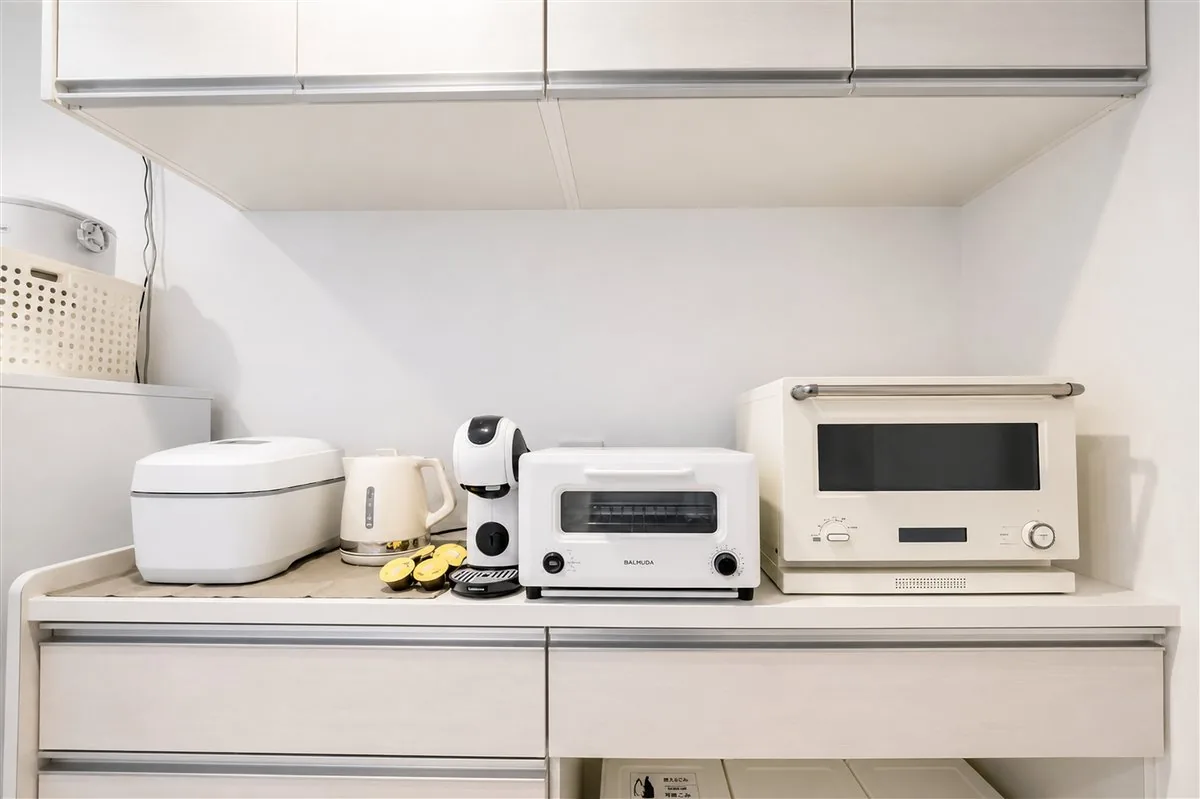
Miyako Beach Resort has a dishwasher, gas dryer and BALMUDA appliances, so eating in still feels like part of the holiday.
CHOOSE YOUR VILLA
Both are private villas of about 100 m² for up to six guests. The difference is how you want to spend your time at home.
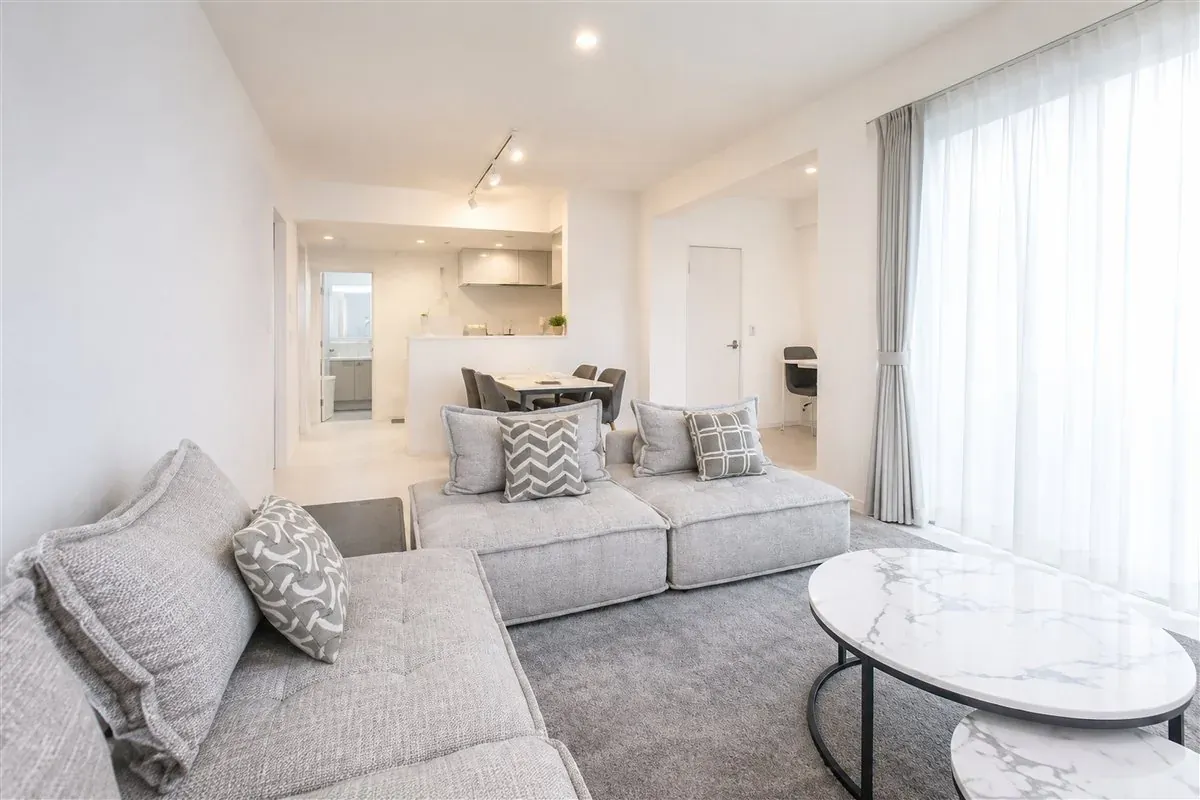
For families with children and lighter daily chores
About 100 m² with three bedrooms, a cot, high chair, child tableware and indoor toys.
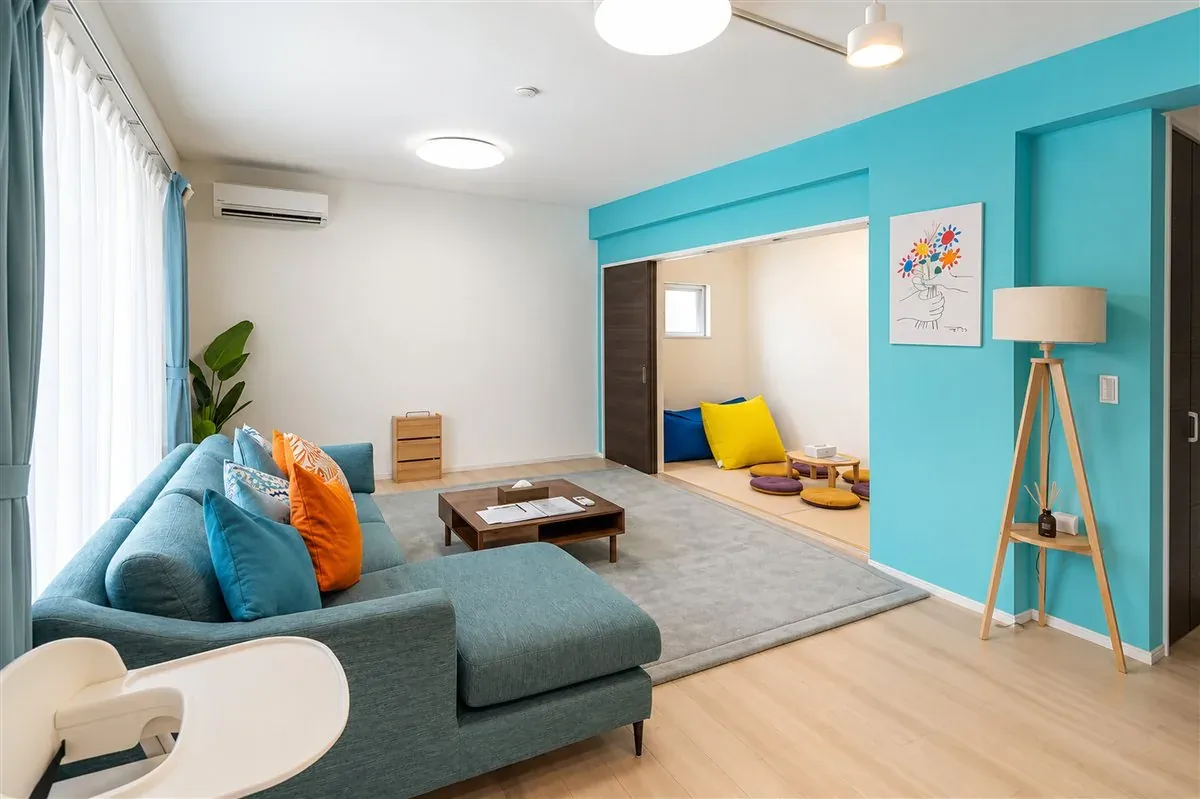
For groups of five or six who want separate bedrooms
About 100 m², with three bedrooms and a tatami room beside the living area, plus a wall-size projector.
TRAVEL WELL
Winter's charm lies in choosing what feels right under that day's sky, rather than filling every hour.
FAQ
Yes. Winter is ideal for combining scenic drives, food, indoor experiences and relaxed time at your villa while discovering a different side of the island from summer.
The normal average low in January and February is about 16°C. Bring long sleeves and a light windproof jacket, as sunny afternoons and windy mornings or evenings can feel different.
Winter is better suited to diving and enjoying the coastal scenery than a beach-swimming holiday. Choose a sea activity with a local operator according to the day's conditions.
Three nights or more makes it easier to rearrange plans around the weather. For a two-night trip, choose one must-do activity and leave time to enjoy the island slowly.
A rental car makes it much easier for families and groups to explore the island. Check each company's conditions and availability before booking.
Okinawa has very little Japanese cedar and cypress compared with mainland Japan. Okinawa's official tourism website also introduces stays in Okinawa during the Japanese cedar pollen season.
The main season for manta rays around Miyakojima is from December to March. Join a local diving operator and follow the rules designed to avoid disturbing the manta rays.
The Miyakojima Tourism Association suggests craft experiences, the Marine Park and factory visits among its rainy-day options. Check opening information and booking requirements on the day.
STAY AT YOUR PACE
Explore when the sky is clear and enjoy the villa when the wind rises. Miyako Villas offers two private homes where time together remains part of the journey.