The Miyakojima
Guidebook
Introduction
While operating two private villas on Miyakojima, we have kept notes on the questions guests actually ask, the places we have visited ourselves, and the practical lessons that come from spending time on the island. This guide brings that knowledge together in 54 chapters designed for real trips—whether you are travelling as a family, a couple, with friends, or on your own.
It covers the details that ordinary sightseeing guides often miss: how to read tide tables, what to do when taxis are scarce, and the stories behind the island's water and history. Read it before departure or open the chapter you need while you are here.
How to use this guide
◆ Two-hour flight reading plan (about 79 minutes)
Read the 18 chapters marked with a ★, then skim the "Key points" at the beginning of the remaining chapters. You will arrive with a practical overview of the island.
◆ Complete reading plan (about 160 minutes)
There are 54 chapters in total. During your stay, use the contents page like an index and open only what you need.
◆ Before you rely on the details
Prices and opening hours are indicative as of 2026. Check each operator's official information for the latest details.
Table of contents
- Chapter 1★ What Is Yabiji, and When Is the Best Time to Visit?—A Complete Guide to One of Japan's Largest Coral-Reef Systems
- Chapter 2★ Yabiji by Snorkelling, Freediving, or Scuba Diving?—How to Choose by Experience and Age
- Chapter 3How to Choose a Yabiji Tour Operator—Four Operator Types, Typical Prices, and a Booking Checklist
- Chapter 4Freediving at Yabiji in March—What the Sea Was Like Just Before the Off-Season
- Chapter 5★ Swimming with Sea Turtles on Miyakojima—Where to Find Them, When to Go, and Rules to Follow
- Chapter 6You Do Not Need to Be a Strong Swimmer—Miyakojima Marine Activities from Parasailing to Glass-Bottom Boats
- Chapter 7Getting Scuba Certified on Miyakojima—Minimum Ages, Costs, Time, and the Island's Underwater Terrain
- Chapter 8Fishing on Miyakojima—A Beginner's Guide from Family Trips to Offshore Payao Fishing
- Chapter 9★ What to Do on Miyakojima at Night—Stargazing, Coconut Crabs, Night Kayaking, and More
- Chapter 10★ Stargazing on Miyakojima—The Milky Way, Moon Phases, Locations, and Photo Tours
- Chapter 11Finding Coconut Crabs—A Complete Guide to Miyakojima Jungle Night Tours
- Chapter 12Paddling After Dark—Miyakojima Night Kayaking and Sunset SUP
- Chapter 13One-Night Blooms and Ground-Glowing Fireflies—Miyakojima's Seasonal Nights
- Chapter 14Night Diving on Miyakojima—What You Can See, Entry Requirements, and How to Start
- Chapter 15★ What Can Children Enjoy at Each Age?—A Miyakojima Activity Guide for Families
- Chapter 16When the Parents Want a Day at Sea—Tourist-Accessible Childcare on Miyakojima
- Chapter 17Miyakojima for Adults—A Quieter Trip for Couples and Friends
- Chapter 18A Women's Trip to Miyakojima—Photo Stops, Cafés, Spas, and Safety
- Chapter 19Miyakojima with Grandparents and Grandchildren—Planning a Three-Generation Trip
- Chapter 20Miyakojima in January with Children—A Real Two-Night, Three-Day Winter Itinerary Without Swimming
- Chapter 21A Week on Miyakojima—A March Long Stay and Workation Plan
- Chapter 22★ Irabu and Shimoji Islands—17END, Toriike, Toguchinohama, and a Second Island Journey Across the Bridge
- Chapter 23Kurima, Ikema, and Ogami Islands—Two Islands by Bridge and One Sacred Island by Boat
- Chapter 24★ Miyakojima's Three Great Bridges—A One-Day Scenic Driving Route Around the Islands
- Chapter 25Shigira Resort for Day Visitors—How to Spend a Full Day Without Staying Overnight
- Chapter 26★ Ten Miyakojima Photo Locations—How Place, Time, and Tide Change the View
- Chapter 27★ Miyakojima Resort Facilities for Day Visitors—Restaurants, Pools, and Other Guest Access
- Chapter 28★ Hot Springs and Saunas on Miyakojima—Facilities Open to Non-Guests
- Chapter 29What's New on Miyakojima—Canopy, Yard miyakojima, and the Latest Openings
- Chapter 30Fine Dining and Hideaway Restaurants on Miyakojima—Where to Plan One Special Meal
- Chapter 31★ When to Book a Miyakojima Trip—A High-Demand Calendar for Flights, Accommodation, Tours, and Rental Cars
- Chapter 32★ What Does a Family Trip to Miyakojima Cost?—A Realistic Three-Night Summer Budget for Four
- Chapter 33Miyako Airport or Shimojishima Airport?—And Why Jetstar Left the Route
- Chapter 34Miyakojima Taxis and Daiko Driver Services—Apps, Phone Numbers, and What to Do When No Car Comes
- Chapter 35★ Supermarkets, Convenience Stores, and Self-Catering on Miyakojima—Where FamilyMart Is the Only Convenience-Store Chain
- Chapter 36Cook Okinawan Food at Your Villa—Complete Recipes for an Island Meal
- Chapter 37Keep One No-Reservation Restaurant in Reserve—Miyakojima's Southernmost Tenkaippin
- Chapter 38Miyakojima Souvenirs—Yukishio, Awamori, Banana Cake, and More Than Mangoes
- Chapter 39★ Rain on Miyakojima—What to Do in a Shower, Heavy Rain, or a Storm
- Chapter 40Is Miyakojima Worth Visiting in Winter?—What to Do, What to Wear, and the Drawbacks from November to February
- Chapter 43Why Does an Island Without Rivers Have Farms?—The Story of Miyakojima's Underground Dams
- Chapter 44A Short History of Miyakojima—The Poll Tax, the German Emperor's Monument, the Five Heroes, and the Modern City
- Chapter 45Miyakojima Today—Population, Industry, Tourism Growth, the “Miyako Bubble,” Real Estate, and Resort Jobs
- Chapter 46Miyako's People and Prayers—Araragama, Otoori, Utaki, Kankakarya, and Paantu
- Chapter 47Growing Up on the Island—Education on Miyakojima and the “Spring at Eighteen”
- Chapter 48Where Can Visitors Experience Otoori?—Miyako's Communal Awamori Ritual in Practice
- Chapter 49How Much Does a Holiday Home Cost on Miyakojima?—Land, Construction, Upkeep, and Short-Term Rental Conversion
- Chapter 50Is Miyakojima a Cabaret-Club Battleground?—An Adult Guide to the Night-Time Economy
- Chapter 51Miyakojima and Famous Residents—People Who Moved Here, Opened Businesses, and the Island Etiquette of Not Prying
Yabiji & Ocean Adventures
From one of Japan's largest coral-reef systems to family fishing trips: the practical choices behind a day at sea.
What Is Yabiji, and When Is the Best Time to Visit?—A Complete Guide to One of Japan's Largest Coral-Reef Systems
- Yabiji is one of Japan's largest coral-reef systems, extending north of Ikema Island. It is designated nationally as both a Place of Scenic Beauty and a Natural Monument.
- Access is by tour boat only; departures from Ikema Island have the shortest crossing.
- The main season is April to October, with the best overall window from the end of the rainy season through July. Winter is the off-season.
- Spring brings the Sanitsu tides and clear water, summer the brightest colour, and autumn clearer skies. Each season shows a different Yabiji.
- Schedule the tour early in your itinerary so a weather cancellation can be rebooked. This is my most practical advice as a villa operator.
After the beach, the most common question asked by inn guests about activities is "Is Yabiji worth going to?" The answer is“Coming to Miyakojima and not going to Yabiji is like going to Kyoto and not seeing a temple.”. However, it is also a place where your level of satisfaction will vary greatly depending on when and how you go. Let's start with the big picture.
What is Yabiji?
- Located north of MiyakojimaFrom Ikema Island, go further north for about 5-15kmIt is a group of coral reefs that spreads over the ocean area.
- More than 100 reefs (dry waters) of various sizes stretch for approximately 17 km from north to south and 6.5 km from east to west.Japan's largest coral reef group.
- in 2013National scenic spots and natural monumentsis specified.
- The reading is "Yabiji". The locals have long called it ``Yabiji,'' and it is sometimes written as ``Yaebise.''
The biggest feature isSome reefs appear above the sea surface during low spring tide.Things. Because of this sight, it is called the "Phantom Continent." In particular, the spring tides (around ``Sanitsu'' on March 3rd in the lunar calendar) are particularly dry, and landing events were once held, but currently, landings are generally discouraged from the perspective of coral protection. How to enjoy it now isView from the boat or go into the sea and swim right above the coralThere are two.
How do I go? Can I go alone?
You cannot go alone. Tour ships only.There are mainly two ports of departure.
- From Ikema Island: closest to Yabiji, up to the pointApproximately 10-15 minutes by boat. This is advantageous for people who are worried about seasickness and those with children.
- From Hirara Port (Miyakojima city): Convenient to ride from downtown. up to the pointAbout 30-40 minutes. There are many large ship tours.
How to choose the type of tour (snorkeling/skin diving/diving) is written in a separate chapter of this book, and the types of companies and prices are written in detail in a separate chapter of this book.
When is the best season?—April to October is the main season; late June through July is the prime window
The tour itselfConcentrated from spring to autumnI will. This is because in winter, the seas are rough due to northerly winds, leading to many canceled flights. This is how the "face" changes depending on the season.
March to May: clear spring water and the Sanitsu spring tide
- The season when the sea opens.There are few people and the sea is highly transparent.It's time.
- The spring tides around March 3rd (Sanitsu) on the lunar calendar are the time when reef dryness is at its greatest in a year.
- The water temperature is still around 22-24℃.Wet suit requiredHowever, if it is a tour, it is included in the basic rental.
- I myself went skin diving with Yabiji in March. The actual story will be written in a separate chapter of this book.
June to August: prime season, with typhoon risk
- The best time is from the end of the rainy season (usually late June) to July.. The sea is calm, the water temperature is 26 to 29 degrees Celsius, and the light shines in from directly above, making the colors of the coral most visible.
- August is also the best month, but if it's a typhoon year, the risk of flight cancellations increases. In the case of a typhoon, the basic rule is to "delay it without forcing it"
September to October: still summer, with better availability
- This is a time when the water temperature remains high and the fish are abundant. After summer vacationTour availability is easyThis is an advantage.
- Typhoon season lasts until October, so add extra days to your itinerary.
November to February: Off season
- Due to northerly winds, cancellations will increase, and fewer shops will be running the trip. There is a lot to look forward to in winter Miyakojima, but if Yabiji is your goalIt is safe to remove it in winterIt is.
What can you see?
- Large clusters of table coral and branch coral. The feeling of "flying over a coral field" is completely different from beach entry snorkeling.
- A school of tropical fish such as clownfish.
- sea turtle. The encounter rate is quite high depending on the point, and encounter reports are noticeable in tour reviews.
- If you're lucky, you might even catch some large migratory fish.
Villa operator's advice: schedule Yabiji early in your trip
Yabiji Tours may be canceled or postponed depending on sea conditions.If you put it in on the last day, it's over once it flows.. If you put it in between the day after your arrival and the middle of the day, you can slide it back even if your flight is cancelled. This is the most practical tip that I think of every year when I see guests. By the way, Yabiji is the activity most asked about by guests at the inn. For families who go to the beach every day, we use a washer/dryer to dry wet clothes and swimsuits on the same day.
Yabiji by Snorkelling, Freediving, or Scuba Diving?—How to Choose by Experience and Age
- If you are unsure, choose snorkelling. Even a non-swimmer can experience Yabiji with a flotation aid and guide.
- Equalising your ears is essential for freediving. Some tours set certification requirements, so check before booking.
- Discover scuba generally starts at age 10. Observe the required interval before flying and check the participant's health.
- Age rules differ by operator. Confirm the minimum age directly when you book.
I wrote about the overall picture of Yabiji and when it will go in a separate chapter of this book. Here are some questions you always have to ask before making a reservation.“Which should I go for: snorkeling, skin diving, or diving?”answer. From the conclusion.
- Families/First time → Snorkel(Floating on the water surface and looking from above)
- I am confident in swimming and want to dive on my own → Skin Diving(Free diving)
- I want to go inside the coral instead of looking down on it → Trial diving/Fun diving(tank)
Even though the same Yabiji, these threeThe view is completely differentIt is.
The three options at a glance
| snorkel | skin diving | diving | |
|---|---|---|---|
| style | float on the water surface | Hold your breath and dive | breathing in a tank |
| Approximate depth | 0m (water surface) | ~several meters | Around 5-7m by experience |
| swimming ability | Not required (float device included) | Required; must be able to equalise | Understanding the course rather than swimming ability |
| Approximate age | Most children are between 3 and 6 years old. | Many are around 12 years old and up. | Experience is generally available for ages 10 and up. |
| Estimated price range | Half day 8,000 yen~ | Around 12,000 yen~ | From 13,000 yen |
*Age and price vary depending on the shop. Details of market prices are in a separate chapter of this book.
Snorkelling—the safest default for most families
- Many tours accept non-swimmers when they use a life jacket and flotation aid. Yabiji's shallow coral can still be seen clearly, including its colour and fish, from the surface.
- Children's participation age isDepending on the shop, ages 3 and up, ages 6 and up, etc.. There is a tendency for small groups to accept children from 6 years old and above, and for large ships and charters, preschoolers are allowed (please check with each shop).
- There are cases where people in their 70s have participated,Be sure to declare any pre-existing conditions (heart, respiratory, etc.). Your health is better than your age.
- If you think of it as an extension of beach snorkeling, you will be surprised at the difference in scale. Please read and compare the difference with the beach ranking in a separate chapter.
suitable person:First time Yabiji, traveling with children, three generations, people who are not confident in swimming.
Freediving—Yabiji for confident breath-hold divers
- With wet suit + weights + fins,Hold your breath and dive close to the coralHow to play. Seeing it from the water's surface and descending to the height of the coral are a different experience.
- The essential conditions areBeing able to remove ears. This is the point where most beginners get stuck.
- There are two main types of tours.
- Beginner tour with training: He will teach you how to dive and remove your ears.
- Tour for experienced people:Depending on the shopParticipation condition is to have skin diving or diving license (C card, etc.)There is also a place. Be sure to check before making a reservation.
- I get the impression that there are many shops that require customers to be around 12 years old or older (please confirm).
- I went to Yabiji on this skin dive in March. Memories, things to bring, and points to reflect on will be summarized in a separate chapter of this book.
suitable person: People who have experience diving in a pool or the sea, people who are looking for an introduction to freediving, people who want to look good in a photo.
Discover scuba and certified dives—exploring below the surface
- Trial divingdoes not require a license. Your instructor will be beside you and you will slowly dive to a depth of 5 to 7 meters. Participating age isGenerally from 10 years old(Based on the standards of the guiding organization).
- fun divingis for C card holders. Yabiji is a landform with a series of coral roots, and a two-boat tour is the standard.
- Points to note:
- You may not be able to participate if you have a history of respiratory, heart, or ear/nose problems such as asthma.Be honest with your medical history check sheet.
- After diving, you will not be able to board a plane (approximately 18 hours or more)is required. Please plan your itinerary to avoid diving the day before your final day.
- Scuba diving is not permitted during pregnancy.
suitable person: People who want to "enter" the underwater world of coral reefs, C card holders.
A realistic plan for families with children
These are the three patterns of success for inn guests.
- Everyone snorkel:The most peaceful. If you have children over 6 years old, you can choose a small group, or if you have younger children, you can rent a large boat or charter a private boat.
- Parents take turns diving: If it's a large ship tour, it's easy to divide the roles by having one person wait on the boat or on the surface of the water with the child, and the other person going skinning or diving.
- Trial diving for older children and parents only: A child over 10 years old's ``first tank'' will be a memory that will last a lifetime. Don't force your younger child.
How to Choose a Yabiji Tour Operator—Four Operator Types, Typical Prices, and a Booking Checklist
- Operators fall into 4 types: large boat, small boat, Ikema departure, and diving specialist. Choose the format before comparing companies.
- Typical prices start at 8,000 yen for a half day and 13,000 yen for a full day. Compare the total, including equipment and photographs.
- Use the 9-item checklist, paying particular attention to toilets, cancellation criteria, and insurance.
- Book early, and choose a date early in the itinerary so you have room to reschedule.
Do a search for Yabiji tours and you'll find dozens of them, and to be honest, I can't tell the difference at first glance. But if you organize itThere are actually 4 types of contractorsThere is only that. First, choose the type, then choose the individual store. You can't go wrong with this order.
Tour operators fall into four main types
Type 1: Large cruise ship (several dozen people)
- Features: Equipped with toilet, shower, shade, and large deck. There are a lot of staff, so even if you have a family waiting on board, it will be comfortable.
- person for: Groups with children, three generations, people who are worried about seasickness, and people with companions who do not dive.
- Weakness: Because there are a lot of people, there is no small rotation of points or a feeling of "private reservation".
Type 2: Small boat/small number of people (around 6 to 10 people)
- Features: You can flexibly choose points according to the sea conditions that day. Many come with underwater photography and drone photography services, and you can be close to the guide. Some stores also have private rental plans.
- person for:People who value photography, don't like crowds, and want to skin dive.
- Weakness: Small boats may not have toilets (please check). The shaking is easier to feel than on a large ship.
Type 3: Ikema Island departure/shortest access type
- Features:To leave from the port of Ikema Island which is closest to Yabiji,Approximately 10-15 minutes to the point. It's easy to set up a half-day course of around 3 hours, and the time on the boat is short.
- person for: People who get seasick easily, families whose children have trouble concentrating, people who want to combine sightseeing at the sea in the morning and sightseeing in the afternoon.
- Weakness: From an inn in the city, you need to drive 30 to 40 minutes to Ikema Island.
Type 4: Diving specialty store
- Features: The main focus is trial diving and fun diving (2 boats). This is where the main job is to manage the quality and safety of equipment and training.
- person for: People who want to dive, C card holders.
- Weakness: Participating only by snorkeling tends to be expensive.
Typical prices (2026 estimates)
- Half day snorkel: Around 8,000-12,000 yen
- 1 day snorkel (often includes lunch): Around 13,000-18,000 yen
- skin diving tour: Around 12,000-15,000 yen
- Trial diving: Around 13,000-18,000 yen
- fun diving 2 boats: Around 14,000-18,000 yen
*The most common price is “Comi-Comi price” which includes equipment rental.Some stores charge extra fees for wetsuits and photo data.So compare the total amount. There are also differences depending on the type and store whether children's rates are set or not.
Don't choose based on price alone.A golden rule for sea tours is to suspect that a tour that is significantly cheaper than the market price may be cutting back on the ship's equipment, insurance, or the number of people per guide.
Booking checklist
If you check these 9 points on the reservation form or over the phone, you can almost avoid mistakes.
- Departure location(Ikema Island or Hirara Port) and meeting time
- Time required(Half day or full day)
- Is there a toilet on the ship?(Especially for women with children)
- Are life jackets, wet suits, and equipment included in the price?
- Is the photo data free or paid?
- Number of people in charge per guide(Reality of small group system)
- Cancellation criteria and refund/transfer rules upon cancellation
- Participating age and health conditions(Handling of pre-existing conditions)
- Whether or not you have accident insurance
Villa operator's advice: book an early date and leave room to reschedule
As I wrote in another chapter of this book, Yabiji flies depending on sea conditions.Put it in the first half of your itinerary and leave some space so you can transfer to the next day if your flight is cancelled.. During the summer vacation period, it is difficult to make reservations the day before or on the same day.Book your tour as soon as you get your flight ticket.is the correct answer. If you just check the cancellation policy (how many days in advance and what percentage), there is almost no risk of being pre-empted.
Freediving at Yabiji in March—What the Sea Was Like Just Before the Off-Season
- Yabiji in March is quiet, clear, and cold.
- Freediving is enjoyable if you use a wetsuit, protect yourself from wind chill on the boat, and can equalise confidently.
- It is not the bright peak-season version of Yabiji; the appeal is a quieter reef.
- Summer is the easier season for a family's first snorkelling trip, but spring can suit experienced divers.
The earlier Yabiji chapters are practical guides; this one is a first-hand account. I went freediving at Yabiji during a week on Miyakojima in March. Is it worth going before peak season? Yes—if you prepare for the cold and are comfortable equalising your ears.
Why freedive in March?
Conditions at Yabiji in March are completely different from the high season.
- There are few people. Even though the area is crowded with multiple ships in the summer, you can use the sea more widely during this time.
- High transparency. Winter to spring is a time when there are few floating objects in the water and visibility is extended.
- Water temperature is around 22-24℃. I can't swim without a wetsuit. In other words, you can dive normally as long as you wear wet clothes.
- This is the time when the spring tide ``Sanitsu'' approaches, and the tide moves significantly (the basics of Yabiji are covered in a separate chapter in this book).
Flow of the day
What was March freediving actually like?
Cold-water preparation
Generally speaking, it gets cold in the sea in March.On board from underwaterIt is. The key is how to shorten the amount of time the north wind hits your wet body, and your comfort will drastically change depending on whether you have a boat coat (or windbreaker) and a hot drink.
Equalising your ears
Choosing the tour operator
What I would do differently next time
With that in mind, if you are planning to go in March, I would like to point out the following three points.
- Choose a tour that includes a wetsuit(Some stores charge extra for rental. See checklist in another chapter of this book.)
- Bring your own cold protection on board. Ideally with a hood.
- put it in the first half of the itinerary. In March, there are days when the sea conditions are not stable, so the margin of transfer is effective.
Who should consider Yabiji in March?
- People who hate crowds:In exchange for the bustle of summer, you can enjoy the quiet sea almost exclusively.
- People who prioritize transparency: If you're looking for a photo shoot, it's more of a target.
- Not recommended for families with children who are sensitive to cold:If you're going snorkeling with your family, you'll probably be more satisfied if you just wait for the end of June to July (more on this season in another chapter of this book).
Swimming with Sea Turtles on Miyakojima—Where to Find Them, When to Go, and Rules to Follow
- Look for the combination of shallow feeding habitat, the period around high tide, and a calm day.
- For the most reliable chance, book a sea-turtle snorkelling tour, typically around 5,000–8,000 yen.
- The rules are do not touch, do not block the turtle, stay 2 m away, use no flash, and never feed.
- Wear a life jacket and check the tide table. The core safety advice does not change because turtles are present.
The person you most want to meet in the ocean in Miyakojima is probably a sea turtle. And good news. In Miyakojima, encounters with sea turtles areRather than leaving it to chance, you can aim to some extent.. However, there are certain etiquettes that you should know just because you can aim for them. In this chapter, I will write about ``how to meet'' and ``how to interact'' as a set.
Why is it easy to see sea turtles in Miyakojima?
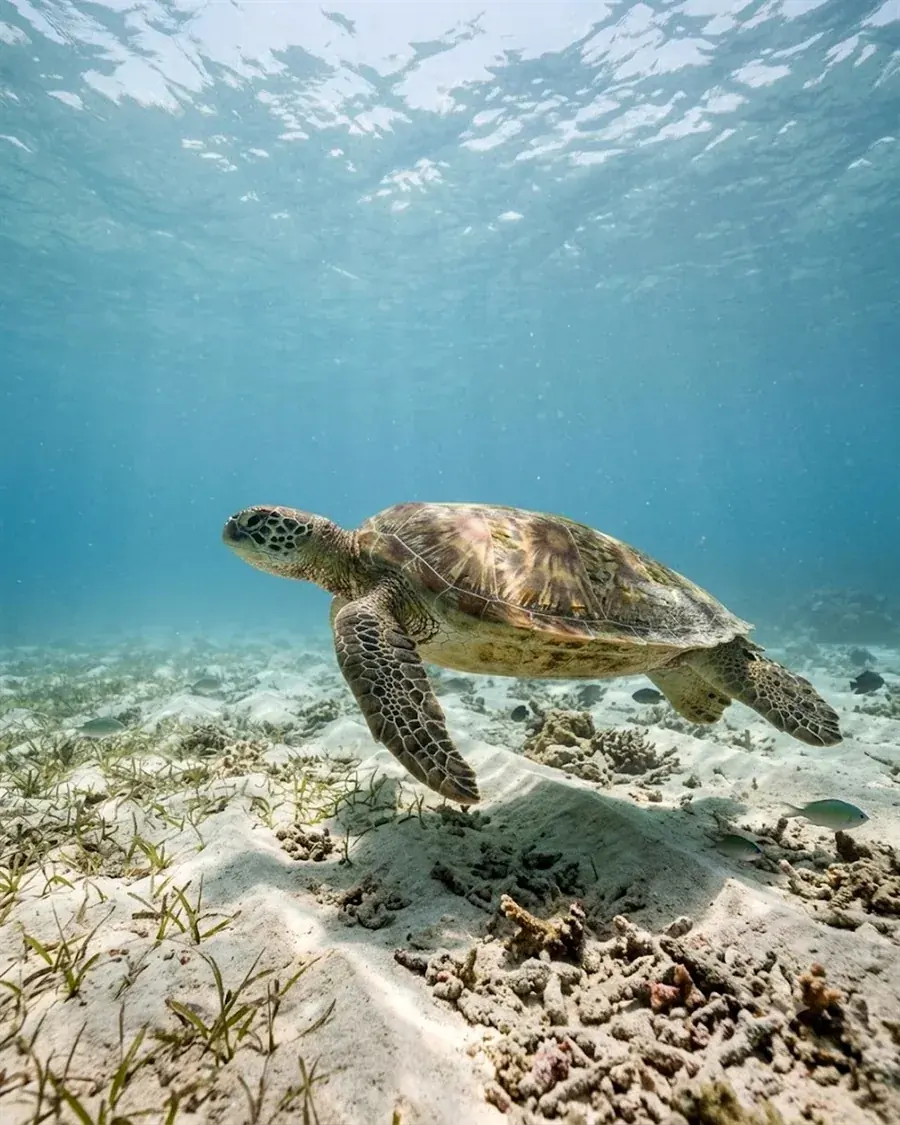
The shallow waters of Miyako are a feeding ground for sea turtles (mainly green sea turtles).Shallow area where seaweed and seaweed groware scattered. Turtles come to the shallows to eat—i.e.If you know ``where turtles come to eat'' instead of ``where turtles are,'' you can meet them., that's the theory.
Encounters are common, but never guaranteed
Where to look
- Shigira Beach:A representative known for sea turtles. How to use areas is a separate chapter in this book.
- Waiwai Beach and Aragusuku Beach are among the places where sea turtles are often reported; see the beach rankings for tide and safety details.
- andYabiji. As I wrote in the Yabiji chapter of this book, there are many reports of encounters on tours.
Time and conditions
- Before and after high tide. As the water level rises, turtles move into shallow feeding areas. Here again, the book's motto is "check the tide table before you go."
- A day when the sea is calm. The less turbidity and waves, the easier it is to find.
- Time when there are few people (morning)The turtles are also eating calmly.
A guided tour is the most reliable option
"Sea turtle snorkel tour" is a standard product of Miyako,Many stores claim to have a high encounter rate.There is. The market price isAround 5,000-8,000 yen(Varies depending on time, boat or beach). Your guide will know where the turtles are that day.Both reliability and safety are one step above self-reliance.It is. For people who are unsure about swimming, those with children, and those who are staying for a short time, I think the tour is the only option.
5 rules to absolutely follow
Sea turtles are protected wild animals. Approaching them incorrectly endangers both the turtle and the swimmer.
- Don't touch or chase. Even if you approach from the other side, don't put your hands out.
- Do not position yourself above a turtle. Turtles must surface to breathe, so blocking the space overhead obstructs them. Observe from the side at a distance of at least 2m.
- Do not take flash photography.
- don't feed. Habituation to humans is detrimental to the turtle's survival.
- Consideration is given to sandy beaches at night during spawning season (early summer to summer). No strong lights or digging up the sandy beach. The beach at night is quiet (night edition).
As long as you follow these rules, your turtle will continue to eat with dignity.Don't run away from people who don't do anything——This is the paradox of sea turtle observation.
Equipment and safety for those who aim on their own
- A life jacket is required. A swimmer concentrating on a turtle may not notice the current carrying them offshore; this is a common near-miss. Our accommodation keeps life jackets, including child sizes, precisely because an absorbed child may not recognise the drift.
- It is safer to wear fins and a mask even in shallow water.Can't go in alone.
- Turtles will come even in shallow water from knee to waist deep.No need to go offshore.
- If you are bringing children, an adult should sit next to them and use flotation equipment and a rash guard. How to think by age is a separate chapter in this book.
You Do Not Need to Be a Strong Swimmer—Miyakojima Marine Activities from Parasailing to Glass-Bottom Boats
- You can experience Miyako's sea in 3 ways—from the sky, on the surface, or through an underwater window—without a licence or strong swimming ability.
- The leading option is parasailing, from around 8,000 yen, generally from age 4, with no need to get wet.
- For three generations travelling together, choose a glass-bottom boat or underwater observatory.
- Plan dry activities first and wet activities later to reduce changes of clothing.
``I'm not good at swimming'' ``I don't have a driver's license'' ``But I want to enjoy Miyako Blue to the fullest'' - No problem. Miyakojima hasMarine sports that you can participate in without a license or swimming abilityare available. When organized, there are 3 layers.View from the sky, play on the surface of the water, look into the water.
See the island from above: parasailing
This is the king of Miyako's license-free activities. with a parachute pulled by a boatAround 100m above sea levelGo up to the top and look down on Miyako Blue from the sky.
- Estimated price: From around 8,000 yen per person (2-seater and 3-seater plans available)
- age: Ages 4 and up, elementary school students and up, depending on the store.Accompaniment for “boarding only” is also OK.There are many shops, so even grandparents who don't fly can take the boat with them.
- Doesn't get wet(About sea spray). You can participate with your clothes on and your hair won't fall apart.Plug it in anywhere on your itineraryis actually its greatest strength
- Most of the departures are from marinas near the city.Course to view Irabu Bridge from aboveis popular. On days with high transparencySea turtles can be seen from aboveAlso
- It is held all year round, but in winter there are frequent cancellations and schedule changes due to northerly winds. The book's theory of putting it in the first half of the itinerary is also valid here.
For those looking for more, take off from the beach200m altitude classThere is also the option of motorized paragliding (with professional riding) to experience it.
Stay on the surface: towable rides and sightseeing boats
- Towing type such as banana boat and marble: The type that screams in a swimsuit. Set packs of multiple events are standard, with each event costing around 2,000 to 3,000 yen.This is a game based on height/age requirements and falling into the water.Just make sure. Always wear a life jacket.
- jet ski:You need a license to operate it yourself.No license required for guided driving in the back seat or sightseeing.It is.
- SUP/Kayak: Standard model without engine. Even beginners and parents and children can enjoy the calm daytime waters of the bay (the evening part is a separate chapter of this book).
- Clear kayak/Clear SUP: A type with a transparent hull that allows you to see the ocean beneath your feet while rowing. The photo quality is top class among all activities, and it is popular in the Irabu/Shimoji Island area with its high transparency.
Look below the surface without getting wet
- Glass boat/underwater observation boat: A traditional stable boat where you can see coral and fish from the bottom window.Suitable for all ages, as long as you can ride with your clothes on and be careful not to get seasick.. This is the trump card for three-generation travel (check the latest flight status on the reservation site).
- Underwater observation facility (Miyakojima Underwater park): A style where you can look into the sea from the facility window.Not easily affected by the weather, perfect for rainy daysIt also becomes.
Quick comparison
| conditions | Recommended |
|---|---|
| I don't want to get wet/I'm still wearing my clothes | Parasailing/glass boat |
| I want to scream | Towing type such as banana boat |
| I want to feel the sea quietly | SUP/Kayak |
| 0 years old to all three generations | Glass boat/underwater observation facility |
| Photography comes first | Clear kayak/parasailing |
combination golden pattern``Parasailing in the morning (don't get wet) → Lunch → Beach or towing in the afternoon (getting wet)''. If you put wet clothes in the back, you only need to change clothes once.
Getting Scuba Certified on Miyakojima—Minimum Ages, Costs, Time, and the Island's Underwater Terrain
- You can earn a C-card on Miyakojima in a minimum of 2.5–3 days, typically for 50,000–80,000 yen. Some theory can be completed online in advance.
- Junior certification generally starts at age 10, with depth restrictions; pool-based programmes may start at age 8.
- The famous underwater-terrain sites suit intermediate divers. Newly certified divers should begin at calmer coral-and-fish sites.
- Put the course early in the itinerary and do not dive on your final day. Observe the 18-hour pre-flight interval.
Sorry to keep you waiting, let's talk about licenses. This is the next thing people think about after falling into the ocean during a trial dive."Can I get a C card in Miyako? Can a child get one?"--The answer is yes to both.
What is a C-card, and why train on Miyakojima?
The C card (diving license) is a proof card that proves you have completed the course.Introductory Open Water Diver (OW) qualificationIf you take the certification, you will be able to participate in a guided fun dive to a depth of 18m.
Miyakojima has three meanings.
- A world-class ocean awaits you immediately after graduation.. Miyako is a “holy place for terrain diving”. However, to be honest, many of the famous caves and terrain points are suitable for intermediate players.Immediately after acquisition, start from the healing points of coral and fish.——Still, the sea is more than enough.
- You can dive all year round. Even in winter, the course can be completed with a wet suit and boat (depending on sea conditions).
- The course becomes a “journey”. Unlike pool courses in the city, you can learn in Miyako Blue from the first day.
Course structure, duration, and cost
- configuration: Subject (currently, e-learning is the mainstream) + basic practice in a pool or shallow area + 4 marine practical exercises.
- number of days: LocallyMinimum 2.5-3 daysis standard. If you complete your studies at home before your trip, you can devote all your time to the sea on the island.
- Estimated cost:50,000 to 80,000 yen(There will be a difference depending on whether the cost of teaching materials, application fees, and equipment rental is included. Compare by "total amount including" - this is an application of the checklist in another chapter of this book).
- health conditions:If the medical history check sheet shows the following, a doctor's certificate may be required. If you have asthma, ear, nose, nose, or heart disease, please consult the shop in advance.
How old must children be?
You can take it. Generally from 10 years old(standards of major organizations such as PADI).
- 10-11 years old:Junior Open Water Diver.Limited to shallow depths with a parent or professionalIt is a license to dive.
- 12-14 years old: Also a junior qualification, the depth of the range of activities will be expanded (as long as you are accompanied by a certified adult diver).
- From 15 years old: Same as normal OW. Junior qualifications can be applied for switching to regular qualifications when you turn 15 years old.
- Under 10 years old: You can't get a license, but you can participate from the age of 8.Pool experience program for childrenThere are some organizations and shops that offer this. For "dry practice before debuting at sea".
Acquired simultaneously by parent and childI think it's one of the best family experiences you can have on this island. Parents and children share C cards in the summer when they are 10 years old—this is why I wrote ``10 years old is the year of the tank'' in the age guide in another chapter of this book.
How to fit a course into your itinerary
- The course is2.5-3 consecutive daysIt takes. If you are traveling for 3 nights and 4 days, ``the course will be the main part of your trip,'' but if you have the time, go for 4 nights or 5 days or more.
- No diving on the last day. From the final book of the courseMore than 18 hours until flightIncorporate the emptying principle into your itinerary.
- For families,3 days for the non-diving familyThe trick is to design it first. If you run the beach, pool, and rainy day plans side by side, everyone will be happy.
- The course schedule is subject to change due to sea conditions.in the first half of the itinerary. The golden rule of this book is the same here.
Points to consider when choosing a shop
- Is it a small group system?(Instructor placement per student)
- Is it compatible with e-learning?
- Record of accepting children(Junior training will be held at a shop that you are familiar with)
- Is the total amount displayed?(Check additional charges for application fee, equipment, and photos)
- At the time of cancellationTransfer/refund rules
Fishing on Miyakojima—A Beginner's Guide from Family Trips to Offshore Payao Fishing
- For families, the standard choice is a half-day introductory boat trip (from 8,000 yen, no equipment needed, and a high likelihood of catching something).
- For shore fishing, remember three rules: respect the working harbour, wear a life jacket, and do not touch an unfamiliar fish.
- Experienced anglers can consider an offshore payao trip, but beginners should start with mixed-species fishing.
- At a private villa, you can cook and eat your catch at the end of the day.
The only genre left unwritten in the sea play edition,fishingIt is. To sum up the quality of fishing in Miyako in one word..."A sea that allows beginners and children to fish properly". You can easily catch colorful fish in the highly transparent sea. And if you are renting a whole house,Bring the fish you caught to your table that night.The strongest combo is waiting for you.
Three levels of fishing trips
Level 1: introductory boat fishing—best for families
- Half-day light fishing. You can participate empty-handed (rod, bait, and life jacket included), and the captain will take care of the points and tricks.
- Targeted at small children(Age requirements vary depending on the ship. Some ships allow preschoolers → Please check).
- You can catch gurukun (Okinawa's prefectural fish) and colorful root fish.High success rate for “first time cat”That's the value of a tour ship.
- Approximate market price: Half day around 8,000 to 12,000 yen.
- To prevent seasickness, take seasickness medicine 30 minutes before boarding and sleep the night before. worried familyBay/short time planPlease choose.
Level 2: shore fishing from a harbour or seawall
- There are rod rentals and fishing tackle shops in the city area.Only 1-2 hours in the eveningYou can play it lightly.
- Observe 3 rules. ① A fishing port is a working environment. Never enter closed areas, cross mooring lines, or obstruct work. ② Children must wear life jackets, and an adult must remain beside them at the water. ③ Do not grasp an unfamiliar catch with bare hands. Fish including striped eel catfish and rabbitfish have venomous spines. If you cannot identify a fish, do not touch it; release it safely.
Level 3: offshore payao fishing
- Off Miyakojima, full-scale trips visit payao (offshore fish-aggregating devices) to target bonito and tuna.
- In a world where early morning departures, long hours, and physical challenges are required, fares start from 20,000 to 30,000 yen per person (confirm with the inn, including charters).
- Fighting against big guys is something that lasts a lifetime,My first attempt was a half-day trip to get used to the sea and boats.This is an honest recommendation.
What can you do with your catch?—This is where a private villa helps
- Many experience shipsOK to take home your catch(Please check at the time of reservation whether tightening and cooling are available on board.)
- Return to the inn,Dinner with fish of the day. If you're worried about sashimi, you can't go wrong with fried or salt-grilled. I can assure you that the nights when your children eat the fish they caught will be more memorable than any of the dinners introduced in this book (cooking basics are a separate chapter in this book).
- If you are not confident in your judgment,Ask the captain what kind of fish is easy to eat and ask if you can have only the scales and internal organs disposed of.A. There are also ships that can accommodate you.
- What fish don't you take home?Release quickly. The photo was taken with wet hands in a short time.
When and where?
- Fishing is year-round. In winter, it depends on the sea conditions, but there are many days when you can take a boat in the bay.
- The time of day when you are on land isAt dawn and duskis the standard. During the day, prioritize heat and UV protection.
- After a typhoon, wait several days for murky water and floating debris to subside.
Checklist when making a reservation
- Child participation age/life jacket size
- Is it OK to bring nothing (rod, bait, ice, cooler)?
- Availability of toilet(Especially for women with children)
- Whether or not you can take home your catch and how to prepare it
- Cancellation criteria and refund/transfer
Miyakojima After Dark
Stars, coconut crabs, bioluminescence, and flowers that last for a single night—the island changes after sunset.
What to Do on Miyakojima at Night—Stargazing, Coconut Crabs, Night Kayaking, and More
- Miyakojima's nights fall into 3 broad categories: stars, wildlife, and the sea. The absence of habu snakes removes one major concern after dark.
- For families, the main choices are a stargazing tour or coconut-crab search, often open from age 0, lasting about 1 hour, with transport frequently included.
- Choose stars near a new moon and a moonlit “road” on the sea near a full moon. Let the moon phase shape the plan.
- You do not need a formal activity every night. Even 15 minutes of stargazing from the villa garden can define an evening.
Miyakojima's travel plans are usually filled with daytime plans. Beach, Yabiji, Bridge Drive. But actually,After the sun sets, the second round of MiyakojimaIt is. There are two reasons.
- There are few street lights and the sky is dark.When the weather and moon phase are right, you can see the Milky Way with the naked eye in the night sky.
- The Miyako Islands have no habu snakes. Unlike Okinawa's main island and Ishigaki, Miyakojima has no native habu population, which removes one major concern when exploring nature after dark with children.
In this chapter, we will explain what you can do at night.All typesArrange them. A deeper dive into each theory is provided in separate chapters of this book.
Night activities by age, typical price, and season
1. Starry sky viewing/starry sky photo tour
- Content: The guide will take you to a dark spot, explain the starry sky, and take a commemorative photo with the starry sky in the background.
- market price: Around 3,000-7,000 yen/1-1.5 hours
- age:There are many tours that children from 0 years old can participate in.
- period:All year round.The best time to see the Milky Way is from April to October, but the best time to see it is around the new moon.
- One word: The greatest value is that you can take photos of the “starry sky x family” that cannot be taken with a smartphone. Digging deeper is a separate chapter in this book.
2. Jungle night tour (coconut-crab search)
- Content: Walk along forest roads at night with a light and look for nocturnal creatures such as coconut crab, hermit crabs, hermit crabs, and owls. coconut crab is one of the largest crustaceans on land, and the chance of encountering it is so high that some tours claim that the encounter rate is almost 100%.
- market price: Adults around 3,000 to 6,000 yen/1 to 2 hours, children's rates available
- age:Many tours are open to children aged 0 to 1. Easy-to-walk courses mainly on paved roads
- period: All year round (creatures are most active in summer)
- One word: Plans that include stargazing are the most common.Children's eating habits are top class among all activities.It is. Digging deeper is a separate chapter in this book.
3. Night kayak/night canoe
- Content: Rowing the sea or cove at night. Moonlight reflected on the sea surface, if the conditions are rightblue light of noctilucaYou can also meet.
- market price: Around 6,000-8,000 yen
- age: Elementary school students and up (depending on the shop)
- period: Mainly from spring to autumn
- Note: A completely different experience from daytime kayaking. Silence is the key. Digging deeper is a separate chapter in this book.
4. Sunset SUP continuing into the evening
- Content: A greedy plan to start rowing during the magic hour of dusk and enjoy the changing colors of the sky after sunset on the sea.
- market price: Around 6,000-8,000 yen
- age:Aim for elementary school students and up.
- One word: The sequence of “sunset → stars” is more like Miyakojima than “sunset alone”.
5. Night diving
- Content: At night, fish behave differently than during the day, corals sleep, and the underwater world is illuminated by lights.
- market price: Around 8,000-12,000 yen/1 boat
- conditions:For C card holdersis the basic
- One word: A night only for divers. General information about Yabiji diving is in 24/a separate chapter of this book.
6. Sagaribana viewing (early summer only)
- Content: A phantom flower that blooms only for one night and falls in the morning.Late June to July, observed from night to early morning in colonies. You can also take an early morning kayak tour to see flowers floating on the water surface.
- market price: Free (walking around the colony) ~ Tour several thousand yen
- One word: A reward only for those who hit this time of the year. Digging deeper is a separate chapter in this book.
7. Miyako madobotaru firefly viewing
- What you will see: The Miyako madobotaru, a firefly native to the Miyako Islands. Unlike fireflies that fly over water, this speciesglows on the ground.
- period: It can be seen almost all year round, with the peak being in early summer (May to June). There are also observation reports in autumn.
- One word: A valuable ``winter Miyakojima nighttime entertainment.''
8. A low-cost evening
- Moon road: a path of moonlight forms across the sea around the full moon. On an east-facing coast, the best view is just after moonrise.
- Night-time beach walk: Painagama Beach near Hirara is one option. Night swimming is strictly prohibited; remain at the water's edge.
- Watching the stars in the garden of the inn:Actually, this is the real solution for families with children. Stick to your bedtime and go out in the garden for 15 minutes before bed. If you rent a whole house, the garden will become your "private observatory."
A realistic evening plan with children
- Do not disrupt your child's bedtime rhythmThat's for the next day. The aim is1 hour complete type + accommodation pick-up includedThis is a tour of the starry sky/coconut crab series.
- Recommended order:Stars in the garden of the inn on the first night → coconut crab tour on the middle day → Starry sky photo on a clear night. Don't pack too much into your tour.
- Bringing some anti-mosquito measures (insect repellent and long pants) and a small light for the kids will add to the sense of adventure.
Stargazing on Miyakojima—The Milky Way, Moon Phases, Locations, and Photo Tours
- For stargazing, moon phase matters as much as weather. Target the 5 days either side of a new moon.
- The Milky Way is easiest to see from April to October, especially from 21:00 to 23:00 between July and September. In winter, clearer air becomes the advantage.
- A useful site is dark, open to the south, and has safe parking. With children, a practical alternative is 15 minutes in the villa garden.
- For a record you can keep, book a stargazing photo tour, from 3,000 yen, often open from age 0 and lasting about 1 hour.
First, let me say the most important thing about the starry sky in Miyakojima.The success or failure of the starry sky is determined by the age of the moon rather than the weather.On a full moon night, you can barely see the stars even on clear skies. On the other hand, around the new moon, you can see the Milky Way even if there are some clouds.
Why is stargazing so good on Miyakojima?
- There are few street lights and light pollution is low.. If you leave the city center for 10 to 15 minutes, you will be surrounded by darkness with no strong lights.
- There are no major cities within a 300 km radius.. The entire sky is dark, so you can see stars even low in the sky.
- Terrain open to the horizon. Because the island has no mountains, you can see all the way to the low sky in the south, which is where the dark part of the Milky Way sets.
When can you see it?—Check both moon phase and season
Moon phase: the five days either side of a new moon
If your travel schedule is flexible,The week that spans the new moonPlease choose. If you have a date set in advance, check the moon phase for that week and decide on your night plans. - Around the new moon → Stars, Milky Way, and Starry Sky Photo Week - Around the full moon → The stars are fainter, but moonlight creates a bright path across the sea: moon-road week (see the separate chapter).
Season: The best time to see the Milky Way is from April to October
- April to June: The Milky Way rises from midnight to dawn. For early risers.
- July to September:Best season. The darkest part of the Milky Way can be seen in the southern sky around 9pm to 11pm.I can see. The biggest advantage is that it can be seen during the child's waking hours.
- October to February: The dark parts of the Milky Way are difficult to see, but the air is clear and winter constellations such as Orion are clearly visible.The winter starry sky is clearer than summerIt is.
- meteor shower:For summer travelPerseid meteor shower (around August 12-13), in winterGeminid meteor shower (around December 13th to 14th). If you catch it on this night, it's worth staying up late.
It is unique to the latitude of Miyakojima that stars that cannot be seen on Honshu appear low in the southern sky. If the time and conditions are right, the Southern Cross will become a hot topic on this island (please check the time and direction in which it can be seen beforehand).
Where can I see it? ——3 conditions for choosing a spot
Remember the conditions first rather than the specific location."It's dark, the south is open, and you can park your car safely."There are three.
- Kurima Island・Ikema Island direction: After crossing the bridge, there is little light and there is a place where you can park.
- Cape Higashi-Hennazaki direction: Great visibility to the east and south. At night, it's completely dark under your feet, so a flashlight is essential.
- Farm-road areas on the east and south sides of the island: light pollution is minimal, but the roads are pitch-black and visibility is poor. Parking or walking in the roadway is dangerous. Use only a location with a safe, designated place to park.
- Caution:Avoid going alone on beaches or cliffs at night. There are many places without fences, so it is difficult to read high tide and wave conditions in the same way as during the day.
And an unexpected optimal solution"Inn Garden"It is. If you rent a house outside of the city center, you can see the stars just by turning off the lights in your room and going out into the garden. The biggest advantage is that it can be completed in 15 minutes before your child's bedtime. We have an astronomical telescope in our Miyako Villas, and the half moon night crater is the star that the kids cheer the most.
Private viewing vs starry sky photo tour
| personal viewing | photo tour | |
|---|---|---|
| cost | Free | Around 3,000-7,000 yen |
| photo | The Milky Way is almost invisible on smartphones. | “Starry sky x family” remains with SLR + professional settings |
| looking for a place | Self-reliance | Guide to the best of the night |
| Explanation | None | Includes explanations of constellations and myths |
Just “looking” is enough for an individual. If you want to leave it behind, go on tour., is used properly. Many tours include transportation and same-day reservations, and plans that allow children from 0 years of age to participate are the most common. It takes 1 to 1.5 hours, so it's easy to incorporate even with children (overview of the night edition).
Things to bring and clothes
- flashlight(You can also use a smartphone light. If you have one, a red light is easier on your eyes)
- One layer even in summer. The sea breeze at night is colder than I expected.
- Insect repellentand long pants
- leisure seat:The best viewing style is to lie down and look up.
- Until your eyes get used to the darkness15 minutes. Don't immediately judge that you can't see it when you arrive.
Finding Coconut Crabs—A Complete Guide to Miyakojima Jungle Night Tours
- Jungle night tours are commonly open from age 0, last 1–2 hours, cost from 3,000 yen, and may include a shuttle, making them practical with children.
- Coconut crabs are for observation only: do not touch, remove, or feed them.
- Combined coconut-crab and stargazing tours are common, and the activity can be a useful light-rain alternative.
- Bring long trousers, closed shoes, insect repellent, and a light for each child.
When it comes to evening activities with children, here are the winning candidates that have the triple signature of cost performance, satisfaction, and convenience.jungle night tourIt is. Walking along a forest road at night with a light in hand,Largest crustacean on land coconut crabSearch for. The event takes 1 to 2 hours, is open to children under the age of 0, and many stores are open even in the rain. This is the shortest answer to "I want to do something with my kids at night."
What is a coconut crab?
- Hermit crab friendsAs a crustacean that lives on land,largest class. When the large specimens open their scissors, they are as impressive as a child's face.
- As the name suggests,Scissors strong enough to split coconutshas.
- Nocturnal. They hide behind rocks during the day and are active at night.
- Growth is very slow and numbers are decreasingCreatures to be protectedIt is. Observation is OK,It is not allowed to catch it, take it home, or give it food.Please remember that.
Contents of the tour
- A guide will lead you through forest roads and promenades where you can easily see creatures.walk with a light. Many shops choose courses centered on easy-to-walk paved roads, so physical strength is not required.
- The main character is coconut crab, but the supporting characters are gorgeous.Hermit crabs, owls, bats, toads, and glowing firefly larvae. The density of living things in Miyako at night is different from daytime.
- Many stores claim to have a high encounter rate.That's because the guide knows where you're going tonight. This is definitely different from taking a night walk on your own.
- Plans that include stargazing are the most common.. The two-step process of looking at the sky and searching for living things beneath my feet lasted an hour.
Typical price, minimum age, and timing
- Fee: Adults around 3,000 to 6,000 yen. Children's rates are available,Free for children under 2 years oldAlso the store.
- age:Many tours are available for children aged 0 to 1.. A baby carrier is OK. If you want a stroller, choose a store with a paved course and check in advance.
- required:1 to 2 hours. Since the meeting time is between 6pm and 8pm, it is easy to accommodate the child's bedtime rhythm.
- period:Operates all year round.Living things are most active in summer (June to September).
- Many stores have shuttle serviceIt's too big for families with children. You can completely avoid driving at night.
A useful option on a rainy day
jungle nightMany stores will close if there is light rain.It's an activity. This is a great way to regain the satisfaction of your trip on nights when the sea is rough and the marine menu is completely wiped out. If you check the ``Rain Weather Operating Standards'' when making a reservation, you can include it in your itinerary as insurance against bad weather days.
Things to know and manners before participating
- Do not touch coconut crabs. Their claws can cause a serious injury even to an adult. For photographs, crouch beside the animal at the distance directed by the guide.
- Do not take them home or feed them. It is a protected creature. Follow local rules and observe as directed by your guide.
- Don't shine the light directly into your eyes. Fireflies in particular dislike strong light.
- clothing: Even in summer, long pants + sneakers + insect repellent. Sandals are not allowed.
- For childrenone small lightPlease let me have it. The "discover it yourself" experience doubles the value of this tour.
Tour-selection checklist
- meeting place andAvailability of pick-up/drop-off(Determined by distance from the inn)
- Course scaffolding(Is it a paved road or a forest road? Check if you are traveling with a stroller or grandparents)
- Is it a small group system?(When there are a large number of people, creatures tend to retreat)
- photo servicespresence or absence
- Operating standards and refund conditions in case of rain
- Starry sky set or creature specialization?
Paddling After Dark—Miyakojima Night Kayaking and Sunset SUP
- There are 2 formats: begin at sunset and continue into darkness, or depart after dark.
- Kayaks suit beginners and children; SUP suits people with prior experience. School-age children are the practical starting point.
- Bioluminescent plankton are a calm, new-moon reward. Near a full moon, switch the focus to paddling through the moonlight on the water.
- Never go onto the sea at night without a guide. Treat this as a firm rule.
Daytime kayaking and SUP are ways to see the sea. After dark, the appeal shifts to silence and changing light. Without an engine, you can watch the sky move from sunset through blue hour, the first star, and then full darkness. Among Miyakojima's night activities, this is the one I find most affecting for adults.
Two styles: sunset and night departure
Sunset SUP or kayaking that continues after dark
- Depart 30-60 minutes before sunsetI am a greedy type of person who enjoys watching sunsets and magic hours on the sea, and watching the stars light up in the darkened sky.
- You can get used to rowing while it's still light,Beginners can rest assured here.
- This is the only time you can take photos of silhouettes floating on the sea at sunset.
Night kayak/night canoe
- Go out after it's completely darkpure night owl. Moonlight, stars reflected on the sea surface, and the distant lights of a village. As your vision is narrowed down, the sound of waves and the sound of your paddle take center stage.
- At night, when the conditions are right, the surface of the water where the paddle is big shines blue-white.Noctiluca (sea luminescent plankton)You can also meet.Dark nights and calm seas before and after the new moonThe probability increases, but since it is a natural phenomenon, the expected value is "If you meet it, it's a reward."
- If it's a full moon week, reverse the idea.Rowing across the Moon RoadThis is another incredible experience (see the chapter on the starry sky for more information on the moon phase).
Estimated price, target age, and timing
- Fee: Around 6,000 to 8,000 yen (many stores come with photo data)
- required: About 1.5 to 2 hours
- age:Recommended for elementary school students(You and your parents ride in a tandem boat.) Standards vary depending on the restaurant, so please check when making a reservation if you are bringing children. If you are bringing preschoolers with you, try kayaking during the day or refer to the age-specific guide in another chapter of this book.
- period: Mainly from spring to autumn. Even in summer, the wind can lower the perceived temperature at night at sea.
- Operating conditions:This activity is sensitive to wind and waves. Please check the communication flow for cancellations and rescheduling at the time of reservation.
SUP or kayak: which is better at night?
| kayak | SUP | |
|---|---|---|
| stability | ◎ Because you sit down, it is hard to fall off. | △ It's a balance game as you stand up. |
| Compatibility with night | ◎ Suitable for beginners and families with children | ○ Refreshing for experienced users |
| Wetness | Almost never wet | If you fall, your whole body will fall |
| photogenic | ○ | ◎ Silhouettes become picturesque |
If it's your first time, I recommend kayaking as visibility is poor at night.It is. For those with SUP experience, night SUP is the perfect luxury to enjoy the silence all to yourself (many tours allow sitting while rowing).
Safety—do not skip this section
- Never go onto the sea at night except on a guided tour. Do not take a daytime rental SUP out after dark. At night, a person who begins drifting cannot reliably judge the distance to shore.
- Everyone must wear a life jacket at all times. Guided tours provide them.
- For people who get sick easily, take the bay/cove course.store. The waves are calmer than the open sea.
- Please completely follow the guide regarding weather judgment. The sooner a store makes a decision to cancel, the more reliable it will be.
Things to bring and clothes
- Clothes you don’t mind getting wet + change of clothes(Even in kayaking, there is sea spray)
- 1 piece of haori:Even in summer, the night wind on the sea is cold.
- Marine shoes or secure, back-strapped sandals
- The smartphone isWaterproof case + strap. If you drop it into the sea at night, it won't come back.
- Leave valuables in your car or hotel.
One-Night Blooms and Ground-Glowing Fireflies—Miyakojima's Seasonal Nights
- Sagaribana usually bloom from late June to early July at Soedo Gunchi. Flowers open from 8 p.m. and carpet the ground by morning; an early visit can work well with children.
- Miyako madobotaru are terrestrial fireflies found only in the Miyako Islands. Early summer is the peak, though sightings are possible through much of the year. Locations are withheld for protection. Join a night tour for the best chance.
- Both offer a quiet, free glimpse of the island's seasonal life. Keep lights low and watch where you step.
Two seasonal night-time sights on Miyakojima do not require a tour: sagaribana, whose flowers open for a single night in early summer, and a ground-glowing firefly found only in the Miyako Islands. Neither is showy, but encountering either can stay with you longer than a photograph.
Sagaribana—opening at about 8 p.m. and falling by morning
What kind of flower?
- A subtropical flower with white to pale pink flowers that bloom with string-like stamens hanging down. In Japan, it can be seen in the Okinawa/Amami area.
- The biggest feature is the flowering cycle.A flower that only blooms at night and disappears the next morning.It is.
- andsweet scent. The experience of being enveloped in scent throughout the colony at night cannot be captured in photographs.
When and where can I see it?
- The best time to see it isUsually late June to early July. This is the beginning of Miyako's best season, coinciding with the end of the rainy season.
- The island's representative spots areSoedo Sagaribana colony(Hira district). It is the island's largest colony, with numerous Sagaribana trees lined up along the promenade.
- During the flowering period, local organizationsCherry blossom viewing at night (light up)is held every year, and you can enjoy it safely at night. The event period changes every year depending on the blooming season, so be sure to check the latest information just before the event.
Tips for viewing
- night person:Blooming begins around 8pm. Be sure to go in time for the illumination event.
- Early morning person:The peak of full bloom is from dawn to around 6 a.m.It is said that The carpet of flowers that fall to the water surface or the ground at the time of dispersal is also spectacular. For families who don't want to disrupt their child's bedtime,Dare to watch it early in the morningThere is a way. The value of getting up early is guaranteed.
- What to bring / precautions: There are almost no street lights in the surrounding area.Flashlight required. When parking, please follow the instructions of the staff.There are no toilets on siteSo in advance. Wear insect repellent and non-revealing clothing. The area is close to residential buildings, so it's quiet at night.
Miyako madobotaru—a local firefly that glows on the ground
What kind of firefly?
- Endemic species of Miyako IslandsThis is a valuable firefly that is classified as near-endangered by the Ministry of the Environment.
- Unlike fireflies on the mainland, they do not depend on water.terrestrial firefly. This is why there are fireflies in Miyakojima, where there are almost no rivers.
- Females have degenerated wings and are unable to fly.Glows steadily on the ground or in the grass. The larvae also glow, creating a unique viewing experience in which ``the shade of the grass under your feet glows little by little.'' The male glows while flying.
When and where?
- It can be seen almost all year round, but peaks in early summer (May to June).It is said that There are also reports of sightings in autumn, making it an island where you can be lucky to see it all year round.
- Locations include green spaces, forest edges, and grasslands with little light.For the sake of protection, I will not write about specific points.. On the Jungle Night Tour (separate chapter of this book), you can often encounter firefly larvae, and if you want to see them for sure, going with a guide is the shortcut.
- While driving at night, you suddenly notice a light on the side of a dark farm road - a chance encounter is also a typical Miyako experience.
Viewing etiquette
- Do not shine the light directly. Fireflies hate strong light. Check your feet with minimal light.
- I won't catch it, I won't take it home. It is a valuable endemic species.
- Don't step into the grass. Females and larvae are on the ground. Their habitat is right under their feet.
How to fit these seasonal sights into your itinerary
- If you can come from late June to early July: It's actually a hidden peak season when the peaks of Sagaribana and fireflies overlap. Combined with the sea just after the end of the rainy season (Yabiji's best season begins), it will be the strongest week of days and nights.
- After summer vacation: The Sagaribana is over, but there is a possibility of seeing fireflies in autumn as well. Ask your night tour guide, ``Can you see any shiny things this time of year?''
- It doesn't cost moneyThe best of these two. This book is all about tours, but the true nature of the island is revealed in the free nights.
Night Diving on Miyakojima—What You Can See, Entry Requirements, and How to Start
- For C-card holders, night diving is Miyakojima's most immersive after-dark ocean activity.
- Look for sleeping fish, nocturnal crustaceans, coral polyps opening to feed, bioluminescence, and stars after the lights go out.
- A dusk start is standard. Carry 2 lights, use adequate exposure protection, and account for any flight the next day.
- A typical price starts at 8,000 yen for 1 boat dive, with most trips in summer.
At the end of the night edition, the number of people who can participate is limited, but the concentration of the experience is the highest.night divingIt is. The same point where you dive during the day becomes a completely different world after sunset.
What can you see in the sea at night?
- sleeping fish. The fish are fast during the day, but at night they stay motionless under rocks. The sight of parrotfish sleeping in mucous membrane sleeping bags is a specialty of Knight.
- nocturnal creature time. Crustaceans such as shrimp and crabs begin their activities all at once, and countless eyes reflect in the light.
- hunting time. The tension of a predator starting to move is something you don't have during the day.
- coral polyp. Coral that opens at night reveals a living creature that belies its impression of a rock during the day.
- And the performances that many guides do---The moment when everyone turns off the lights. As my eyes adjusted, I could see the faint glow of noctilucent insects in the water and stars beyond the water's surface. This is the highlight of night diving.
Participation conditions
- Basic possession of C card (diving license)It is. There are almost no "trial nights" that do not require a license.
- Depending on the shopConditions for number of experience(As a guideline, 10 to 20 or more). If you have a long blank time, please consult with us as a set with a refreshment dive in the afternoon.
- For those who want to get more seriousNight diving specialty courseThere is also an option.
- For those who don't have a license yet: Miyakojima is an island that is called the "sacred place for terrain diving" and is also a popular destination for getting a license. If you want to see the sea shining right away tonight, try night kayaking.
Flow of the day (general pattern)
- Gather before sunset. We will complete the briefing and equipment setup before it's daylight.
- Entry to TwilightThis is the standard configuration. As you gradually get used to the darkness, you can observe the time when daytime creatures and nighttime creatures switch places.
- Diving time is shorter than during the day, and diving at shallower points is the norm.
Typical price and timing
- 1 boat around 8,000-12,000 yenis the standard. Beach entry nights tend to be a little cheaper.
- Full equipment rental is separate.Underwater lights will be provided by the tour.This is normal, but please check when making a reservation.
- The period isMainly in summer when sea conditions are stable. In winter, there are fewer events.
Equipment and precautions
- There are 2 lights: main + backup.Basically (please check if it is included in the rental).
- show your positionmarker lightMany shops use a small light attached to the tank.
- The distance from the guide/buddy is half that of daytime.With the awareness of. Be sure to learn how to signal with lights at the briefing.
- At night, the perceived temperature drops.Thermal insulation is one step thicker than during the day.To.
- After diving, you will not be able to board a plane (approximately 18 hours or more)is required. Avoid flying on your last day or the night before an early flight the next morning.
Travel Styles
Families with children, adults-only trips, three generations, and a full week on the island.
What Can Children Enjoy at Each Age?—A Miyakojima Activity Guide for Families
- Age changes how you build the day more than whether the child can enjoy the island.
- For ages 0–3, prioritise the villa and shallow water; ages 4–9 can begin snorkelling; scuba options start from age 10.
- Stargazing and coconut-crab tours are flexible night options often available from age 0.
- Use 1 main activity per day, plan around the youngest child, and use a life jacket around water.
The most common questions asked by guests at our inns are“Can my child enjoy Miyakojima at his age?”It is. The answer is, "You can enjoy it at any age. However, what changes depending on age is more than what children can do.""Parent consumption level" and "assembly method"”. In this chapter, we will organize ``things you can do, main activities, and precautions'' for each age range, from 0 years old to junior high and high school students.
At a glance: activities by age group
| age | Playing the leading role | Estimated release date |
|---|---|---|
| 0-1 years old | Shade debut on the beach/inn garden | Starry sky/coconut crab tour (0 years old ~) |
| 2-3 years old | Playing in the sand and wading in the shallows | Hotel pool day trip |
| 4-5 years old | Box glasses → beach snorkel | Experience workshop/Glass boat |
| 6-9 years old | Yabiji Snorkel | SUP/Kayak (tandem) |
| 10-12 years old | Trial diving | skin diving entrance |
| From 13 years old | Almost adult full menu | Fun diving (C card) |
*Participating age for each activity varies depending on the shop. Be sure to check when making a reservation.
Ages 0–1: the villa is the base; the sea is for looking at
- What is the quality of travel during this period?Accommodation environment, not activitiesIt is determined by A quiet room where you can take a nap, washer/dryer, and baby goods. Renting a whole house is easier than renting a hotel room because you can have complete control over your life. It is not uncommon to see families with children under the age of 10 at our inn. Quiet enough for naps and a washer/dryer: these two things determine the quality of your trip with an infant.
- The beach isAll you need is a shade and a water bucket.. Your baby will be very happy sitting on the beach with just his feet.
- A surprising aimnight. Starry sky tour and coconut crab explorationThere are many plans that allow children from 0 years old to participate., can be completed in one hour while wearing a baby carrier (night version).
- Children can fly domestically from 8 days old. Time breastfeeding or a bottle around take-off and landing to help them equalise pressure in their ears.
Ages 2–3: sand and shallow water; plan one morning activity
- The main character isPlaying in the sand and shallow water below your knees. This is the time to choose a beach that is shallow, shady, and close to restrooms rather than a scenic beach (How to choose a beach with children).
- Life jacket + rash guard + marine shoesThis 3-piece set is essential equipment for children of this age.
- This is the age at which you become addicted to using hotel pools on a day trip. Some facilities are free for preschoolers.
- Pumpkin limestone cave kayaking, etc.There are also tours that children of preschool age can participate in.(Depending on the store and sea conditions. Please confirm).
- The most important rule is“I only have one scheduled in the morning.”. No family can win the battle against napping. The answer is to laze around at the hotel in the afternoon.
Ages 4–5: a good time for a first snorkelling experience
- Box glasses → float + maskIn this order, the underwater world debuts from the shallow waters of the beach. The quality of your trip changes just by saying, ``I saw a fish!''
- such as making ShisaExperience workshopYou will be able to enjoy it, and you will have more trump cards for rainy days.
- coconut crab This is the age when the taste for night tours reaches its peak.Things that shine, things that move, things that are a little scaryare all available.
- Yabiji isIf you are on a large, well-equipped ship or chartered, we also have plans that are suitable for preschoolers.However, don't overdo it. A bored 4-year-old on a boat has the destructive power of a typhoon.
Ages 6–9: Yabiji becomes an option and ocean skills grow
- More shops will be able to take part in small group Yabiji snorkel tours for children around the age of 6.. The first time I saw a large colony of coral reefs in my life will remain in my memory for the rest of my life (edited by Yabiji).
- SUP/Kayak is tandem (two people with parents) from elementary school students.is the standard.
- There are a wide variety of boat options available, including fishing experiences and glass-bottomed boats.
- Night kayaking also starts around here (elementary school students and up) (night edition).
- Note: Children who can swim tend to be overconfident.Life jackets can be worn regardless of swimming ability.This is the golden rule of the sea in Miyako (beach safety story).
Ages 10–12: old enough for a first scuba experience
- Trial diving is generally available from the age of 10.(Standards of coaching organizations. Depth restrictions apply). Trial diving for parents and children will be the highlight of a family trip for this age group (how to choose one is in a separate chapter in the Yabiji-edited book).
- The entrance for skin diving is also from this area. The barrier is earless.
- This is an age range where riding conditions are relaxed for land activities such as buggies (please check as standards vary by store).
- Leave the camera and fish encyclopedia to meAppoint as "Recorder"This increases the level of participation in the trip.
Ages 13 and over: nearly the full adult range of activities
- The age at which a diving license (C card) can be obtained is in the junior category. Families will also have the option of taking a trip to obtain a license.
- The menu is almost the same as for adults, including solo SUP boat, full skin diving, and night diving (after C card).
- The real challenge at this age is not physical strength.“Would you like to come with your parents?”. Yabiji and Starry Sky are one of the few cards that adolescents will honestly say is "awesome."
Tips for three-generation travel
For a combination of grandparents and grandchildren,Large ship Yabiji tour(You can tour on board)glass boat,starry sky tour(Everyone from 0 to 99 years old can enjoy it in the same place) is the common solution for all three generations. Just be honest about your health status.
Three principles from a villa operator
- 1 main per day. Families who have two trips to the beach, tours, and sightseeing in one day usually break down in the evening.
- Combined with the double constraints of tides and naps. Tide charts are on the beach, and it's nap time for toddlers. The time of day when these two things match will determine which beaches you can go to.
- Adapt to younger children. For older children, the release activities are done in a way where the parents take turns accompanying each other (there is a specific pattern in a separate chapter in the Yabiji-edited book).
When the Parents Want a Day at Sea—Tourist-Accessible Childcare on Miyakojima
- Miyakojima has temporary childcare that visitors can book directly. The main example is Shimashima Kids (from 4 months old, minimum 2 hours, daytime rate 1,900 yen per hour).
- Bookings of 3 hours or more can include an island-culture activity, giving the child a Miyakojima experience of their own.
- A furusato nozei voucher may be available to eligible users.
- Success depends on booking early, allowing enough time, and agreeing on a contact plan. Parents also need not feel guilty about taking a few hours for themselves.
This is the eternal problem when traveling with children."I want to dive in Yabiji. But my youngest child is not old enough for the tour."——The problem is that one of the parents is always unable to go on the ship. So far in this book, I have written solutions such as ``parents taking turns diving'' and ``waiting on board on a large ship.'' However, there is actually another powerful option.
Miyakojima has a childcare facility that tourists can use directly.
Main option: Shimashima Kids temporary childcare
Opened in 2022, this is a temporary childcare service designed for travellers. That visitor focus makes it unusual within the island's childcare network.
- Target:0 years and 4 months to lower elementary school grades (3rd grade and below)
- Use:Completely advance reservations/time-based.Minimum 2 hours, 30 minute increments
- Estimated price: During the day (7:00-18:00)1 hour 1,900 yen, Night time (6pm-10pm) is 2,400 yen per hour. No registration fee, no joining fee, no weekend surcharge. You can also order bento boxes (500 yen per meal).
- staff:Nursery teachers, kindergarten teachers, child-rearing support staff, etc.Staff with childcare experiencewill be kept
- This is good:If used for more than 3 hours,Free participation in Miyakojima cultural experience programs such as shisa making, seashell accessories, and eisa experiencesYou can. In other words, it is designed to be an ``own activity'' for children, rather than a ``stay at home.'' For infants and toddlers, there are also gifts of footprint art and nap art photos.
- Can be used at night too:The fact that there is a slot from 18:00 to 22:00 means thatCouple's Dinner and Night TourThis means that it can also be used for
Using Japan's furusato nozei donation scheme
Miyakojima to the cityShimashima Kids tickets as a return gift for hometown tax payments(3 hours and 6 hours). If you're planning on traveling, this is a pretty smart way to use it.
There are other options
- kids station lupine: It is recommended to tourists as a childcare center with a small number of children and generous support for each child (please confirm acceptance conditions and fees).
- Childcare partnered with a marine operator: some snorkelling operators work with temporary childcare facilities. Ask when booking if you need care for a younger child; the operator may be able to coordinate the tour and childcare times.
- hotel kids club:There are hotels with kids clubs and programs, such as Rosewood and Canopy. HoweverBasically for guestsSo, this is an option for staying at a hotel.
- City temporary custody (nursery school): Although it does exist as a system, it is basically for island residents. It is realistic for travelers to first look for private tourist facilities.
Seven checks for a smooth childcare booking
- Reservations are made at the same time as the itinerary is confirmed.. It is a small facility with limited capacity. As with tours, please consider that it is impossible to make last-minute reservations during the busy season.Be sure to check the website for holidays..
- Tour time + 1 hour before and after transportation and preparationPlan your storage time. The last-minute settings are painful for both parents and children.
- Check your belongings specifications(Milk, diapers, clothes, nap supplies). When traveling, your usual equipment tends to fall apart.
- Children's health comes first. It is common that we will not be able to store your child if he/she has a fever. Please check the cancellation policy at the time of booking.
- Confirm emergency contact arrangements. Mobile reception may be lost at sea. Give the childcare facility the tour operator's emergency number, and give the tour operator and both parents the facility's number.
- Do a “short trial” first, such as on the afternoon of the first day.If you can put it in, it will make the long day the next day easier for everyone.
- Don't hesitate to ask questions about the childcare system. The qualifications of the staff, how many children and staff there are, insurance—the better the facility, the more accurate the answer will be.
A note for parents who feel guilty
For parents who are wondering, ``Why not leave my child with me until I go on a trip?'' Every year IA family whose parents go out to sea for just two hours and come back in an unbelievable mood.I'm watching. And the child is a child, holding a Shisa and proud.It's one thing for the whole family to be in the same place, it's another thing for the whole family to be fulfilled.A few hours of childcare is just a tool to fill that gap. Please use it with dignity. It goes even better when you combine it with renting a whole house, and you can even plan a two-day day where parents spend the morning at the beach and the whole family stays together in the afternoon. By the way, our two hotels are both about 5 minutes away by car.
Example cost
If you are going on a Yabiji half-day tour as a couple:
- 5 hours of storage × 1,900 yen = 9,500 yen(+ Lunch box 500 yen) / 1 child
- It's not cheap when you include the tour fee. However, “Yabiji where the older child and two parents dived”Things you can only buy on this tripIt is. It's well worth considering as a one-day investment.
Miyakojima for Adults—A Quieter Trip for Couples and Friends
- An adult trip works best with spare time, shifted hours, and a deliberate investment in 1 meal.
- Use early morning for viewpoints or the sea; reserve the evening for sunset SUP, a private hot spring, a serious dinner, or stars.
- A villa-and-hotel combination lets you use each for what it does best.
- For later nightlife, see the dedicated chapter on the town after dark.
This book contains a lot of information about families with children, but MiyakojimaIf you come with just adults, it will look completely different.This is an island where you can see. Traveling without children's naps or curfews will fundamentally change how you spend your time. A wedding anniversary, a couple, a trip with like-minded friends—this is the blueprint for "Adult Miyakojima".
Three principles for an adults-only trip
- cut schedule in half. The luxury of traveling as an adult is the "white space." One main meal a day is also effective for adults.
- shift time zone. Beaches in the morning, sightseeing spots on weekdays, shops late in the day. You can have the tranquility of the island all to yourself by simply choosing a different time of day with your family.
- invest in 1 meal. Every meal is not luxurious,Seriously enjoy “this trip’s dinner” just once. This is the most memorable.
Morning and afternoon: pay for quiet and space
- Maehama 17END at 7am. A spectacular view without people is a privilege only for adults who wake up early (the story of the beauty is a separate chapter of this book).
- Yabiji is skin diving or fun diving.. Go to the advanced snorkeling experience. If you don't have a license, you can take this trip.
- golf. Winter is a sacred place. Reservations and prices are special in winter.
- Luxury hotel usage during the day. Top-class hotels such as Iraf SUI and Rosewood are also within reach if you make reservations for restaurants and cafes. ``Just one meal without staying overnight'' is perfect for adult travel.
Evening and night: slow the pace
- Sunset SUP → Stars. Magic hour at sea is, frankly speaking, the ultimate weapon for a date.
- Private room at Shigira Golden Onsen. The private room with an open-air bath with natural hot spring water is actually suitable for two adults.
- dinner: Teppanyaki, sushi, Italian, island French - Miyako's options for a "serious meal" have rapidly expanded over the past few years. Popular stores areBook the moment you decide on your itineraryA. Even adults can become dinner refugees.
- bar and second bar: Hidden bars are dotted around the city. I will leave the deep side of the night to the chapter on the night town, but the couple and the shippori side are1 bar + night breakwater walkis correct.
- If you happen to join an Otoori evening, it may become a highlight of the trip.
- The conclusion isstar. If it's a new moon week, there's a starry sky photo tour, and if it's a full moon week, there's a moon road.
Choosing where to stay
For 2 to 4 adults, there are three options.
- luxury hotel: Yes, if it is an anniversary. With Rosewood class, staying there becomes a purpose in itself.
- Rental villa: Correct answer for a friend trip. awamori in the garden until midnight, paying no attention to anyone.
- hybrid:Staying in a villa and using the hotel for meals and hot springs—this is the familiar ``cherry-picking'' method in this book.
Sample two-night, three-day adult itinerary
- Day 1: Lunch → Irabu drive (separate chapter of this book) → Sunset at Sawada Beach → Serious dinner
- 2nd day: Morning walk on the foreshore → Yabiji (Skin or Fun) → Private hot spring private room → 2nd restaurant from Minyo Izakaya
- 3rd day:Morning cafe (Kurima Island) → Ryugujo Observation Deck → Lunch at luxury hotel → Return home
It looks like I'm cramming it in, and I actually have two plans for each day. This is the adult density.
A Women's Trip to Miyakojima—Photo Stops, Cafés, Spas, and Safety
- Build the trip around photographs, food, and time to get ready without rushing.
- Take photographs first thing in the morning, reserve dinner for both nights in advance, and use a women-friendly hot spring or sauna to reset.
- Avoid the sea and isolated farm roads after dark. Low crime and ocean safety are separate questions.
- A private villa gives the group a shared space after going out.
The number of guests at inns is increasing year by year.women's group tripIt is. Miyakojima is perfect for girls' trips - the density of the photos, the quality of the cafe, the spa and hot springs, and the safety. A blueprint for a women's trip will be compiled in a separate chapter of this book.
Why Miyakojima works well for a women's trip
- "The color of the sea" is special. The island where all the backgrounds of the photos are Miyako Blue does not require any processing (an encyclopedia of photogenic spots is a separate chapter of this book).
- Strong cafe culture. Starting with Kurima Island, there are cafes with ocean views, mango sweets, and old folk house cafes.
- I can use the night. Starry sky photos, night kayaking, hot springs - this is an island where you can take photos and stay well until the night.
- There are no habu snakes on the Miyako Islands. This removes one concern when walking in nature after dark, though ordinary night-time precautions still apply.
Build the itinerary around photos, food, and time to reset
Photos
- First morning beach or 17END:The best time is when there are no people in the photo. A good tip for women's trips is to carry a spare dress in your car.
- Starry sky photo tour: Group photos that cannot be taken with smartphones will remain. From 3,000 yen, about 1 hour.
- Beach photo tour with drone:Yabiji and Uni-no-hama tours often include photo data, which eliminates the "camera staff problem".
Food
- Kurima Island Cafe tour+ Ryugujo Observation Deck. Mango parfait is the star of the summer.
- Reservations are essential at night.. The reality of Miyako is that there are no popular restaurants on the same day. Please reserve dinner for two nights at the same time as you confirm your itinerary.
- Go to the hotel for just one meal:Buffet or afternoon tea type reward frame.
Time to unwind
- Shigira Golden Hot Spring:On the women's sideAmethyst sauna/rock salt steam saunaIt is actually a configuration suitable for women's trips. Comes empty-handed with towel included.
- Esthetics/Spa: There are options such as outpatient use of the hotel spa or a salon near the beach. Use in the evening as a recovery time for your hair and skin after returning from the sea.
- Pajama party at the villa: If you rent the whole house, you don't have to worry about turning off the lights or worrying about neighboring rooms. This may be the main part of the girls' trip at night.
What to bring and practical notes
- Twice as much sun protection as on the mainland(Hat, UV cardigan, and frequent reapplying. We'll talk about coral-friendly sunscreen in a future book.)
- Waterproof pouch and smartphone strap(Measures against the three major submergence points at sea, ship, and SUP)
- Gel nails are ocean style: Marine shoes tend to hide your feet. Prioritizing your hands is the right answer.
- One piece + leggingsis versatile. You can cross the boat, kayak, and cafe in one place.
- Hair problem: Choosing an accommodationquality of dryerWatching is a secret skill for girls' trips (we have ReFa).
Safety: four practical points
Security in Miyakojima is good. Still, there are four things to keep in mind because it's an island.
- Do not approach the sea at night. After drinking, keep any beach walk well back from the water. Never swim after dark.
- The farm road is pitch dark at night. For night transportation, basically use main roads and taxis/agents.
- Drinking occasions can be convivial, but ordinary precautions still apply, including not accepting a ride from someone you have just met. A separate chapter explains how to accept or decline an invitation to Otoori.
- The basic marine-safety rules do not change: wear a life jacket, check the tide table, and never swim alone.
Sample two-night, three-day itinerary
- Day 1: Lunch → Kurima Cafe + Observation Deck → Maehama Sunset → Reserved Dinner
- 2nd day: Morning 17END → Sea turtle snorkel → Get ready in hot spring & sauna → Folk song izakaya → Starry sky photo
- 3rd day: Photo session at an empty beach in the morning → Souvenir → Return home
Miyakojima with Grandparents and Grandchildren—Planning a Three-Generation Trip
- Choose activities that all 3 generations can experience together: a larger Yabiji boat, glass-bottom boat, stars, hot springs, or a scenic drive.
- Plan 1 main activity a day, allow the group to split up, reserve suitable seating, bring regular medicines, and do not rely too heavily on grandparents.
- A private villa becomes more economical as the group grows. Put some of the saving towards 1 special meal or family photographs.
- Miyakojima offers several settings where the youngest and oldest travellers can enjoy the same moment.
The type of travel that inn guests are increasingly taking each year isthree generation trip——Grandparents + parents + grandchildren. And the design of a three-generation trip is similar and different from traveling with children.Match to both the “youngest person” and the “oldest person”This is a journey to solve this double constraint. Miyakojima is actually an island that is quite good at this.
Why does Miyakojima suit three-generation trips?
- travel is short. 30-40 minutes by car to anywhere on the island, no traffic jams. It is effective for both the generation whose bodies are affected by long journeys and the generation who prefers to sleep in the car.
- There are many events where everyone can enjoy the same thing.. Glass boat, large ship Yabiji, starry sky, scenic drive, hot springs——Everyone from 0 years old to 80s can be moved in the same place.The menu is complete.
- The idea is to rent out the whole house.. Rather than a hotel with three rooms, a single building where people can gather in the living room and separate in the bedroom is better suited to the sense of distance between three generations. At night, after the grandchildren go to bed, the parents and grandparents can have drinks together - that is the highlight of the three-generation trip.
A reliable activity mix for three generations
- Yabiji tour on a large cruise ship:If it's a large ship with toilets, shade, and seats, grandparents who don't swim can go on board, and grandchildren can snorkel.Fun for different generations on the same boat. Just be honest about your health status.
- Glass boat/underwater observation facility: Don't get wet, don't walk, all together. It is the trump card of three generations.
- Spectacular drive: The three major bridges and observation decks can be reached by simply getting out of the car and walking for a few minutes. Cape Higashi-Hennazaki is a long walk to the tip, so don't push yourself too hard and just look at the view in front of you.
- Shigira half day: Lift (sit and enjoy the spectacular view) → Hot spring (private private room is the correct answer for three generations → another chapter of this book) → Meal within the area. One day is completed with minimal movement.
- Starry sky and coconut crab night: Night tours require almost no physical strength. coconut crab exploration, which is suitable for ages 0 and up, is actually an event that even grandparents are very satisfied with.
- Experience workshop: The time grandkids and grandparents spend together making Shisa is a souvenir in itself.
Five planning principles
- 1 main meal per day, further relaxing. The third generation has "one main meal a day + nap + free time". No matter how much you plan your itinerary, someone will always drop out.
- Be the first to declare that you can behave separately.. In the afternoon, grandparents have tea at the inn, and parents and children go to the beach.All of us together only have meals and one main meal a day.That's enough. If you rent a whole house, it is effective to have the same place to return to for different activities.
- Meals are served in tatami rooms, private rooms, and buffets.. When making a reservation, select a seat that will absorb both your legs and the noise of your grandchildren.
- Medical and drug preparation. Photos of your regular medicines/medication notebook/insurance card. I honestly wrote about the medical system on the island in a separate chapter of this book. A painless itinerary is the best prevention.
- Don't use grandparents as "free babysitters". If you ask too many house-sitters with your grandchildren, it won't be a grandparent's trip. On days when you want some alone time as a parent, choose childcare.
Flights and airport logistics
- If you are concerned about walking distance,Airline wheelchair support/priority boardingPlease feel free to request in advance. This is a free service.
- The seat isGrandparents sit on the aisle. The toilet flow becomes much easier.
- Airport transportation is provided by two rental cars or one larger car. Please confirm the number and installation of child seats at the time of reservation.
How to think about the budget
As the number of third generations increases,Maximizes the effect of renting a whole building by dividing the price per building by the number of people.I will. If you stay with 6 people, the price per person is realistically less than half that of a hotel. The money we saved went to a ``one serious meal'' for everyone and a commemorative photo tour.A group photo of three generations is the best souvenir of this tripIt is.
Miyakojima in January with Children—A Real Two-Night, Three-Day Winter Itinerary Without Swimming
- A 2-night, 3-day winter trip with children can follow hot springs → limestone-cave kayaking and a buggy → scenic drive.
- January is quieter and less expensive, and Miyakojima can work without swimming.
- Dress roughly as you would for November in Tokyo. The winter stars can be clearer than in summer.
- Save swimming for a later summer visit. It is reasonable to plan Miyakojima as an island you will visit twice.
I wrote a separate chapter in this book called ``Winter Miyakojima Exists''. This time we will demonstrate that.Our family actually went to Miyakojima in January for 3 days and 2 nights and came back very satisfied without ever going into the sea.The itinerary will be published as a model course.
Start with the answer: in winter, combine land, caves, and motorised activities
If the main attraction of Miyako in summer is the beach,The main attractions in winter are pumpkin caves, buggies, hot springs, and stars.. It was an island that my children said they wanted to go to again, even if they didn't swim there.
Day 1: arrival, minimal driving, groceries, and hot springs
- daytime: Arrive at Miyako Airport → Rent a car → Shop at the supermarket (This first day route is 90% of self-catering trips → Another chapter in this book) → Check in at the hotel
- Evening: To Shigira Golden Hot Spring.The jungle pool with hot spring water is warm even in winter., all the fatigue from the travel day and the tightness inside the plane will be undone.
- night:Inn meal or dinner in the area
Day 2: the main day—Pumpkin Cave and an off-road buggy
Morning: Pumpkin cave kayaking
Kayak through low-tide waters and climb giant pumpkin-shaped stalactites inside a cave.A tour that you can enjoy quietly in winter, making the summer crowds seem like a lieIt is. Since you will be wearing a wet suit, it won't be as cold as you might expect, even in January.
Afternoon: Off-road buggy
A buggy tour through sugarcane fields and wilderness.Won't get wet, resistant to winter, guaranteed to warm children, is the triple signature of Miyako in winter (drivers must have a license, passenger conditions vary depending on the store → please check).
Evening: yakiniku, then stargazing
In winter, the air is clear,Stars are more transparent than in summer. If it's sunny, please spend 15 minutes in the garden of your inn looking up at the sky before going to bed.
Day 3: scenic drive, lunch, and the airport
- morning: Cross Irabu Bridge to 17END (If the tide is low, the white sand, but even if it's not low tide, just the bridge and observation deck are enough → another chapter of this book)
- daytime: Finish with Miyako soba
- Afternoon:Souvenir → Rental car return → Return trip
What the January trip taught me
- everywhere is empty. Popular tours can be booked the day before, and there are no people at the photogenic spots. People who only know Miyako in the summer will be surprised.
- The outfit is “November in Tokyo”. You'll get sweaty if you move during the day, and a jacket is essential at night and on windy days. The down was thin enough.
- Even if you don't go into the sea, the sea is the main role. Bridges, observation decks, and caves: Children will be satisfied with the experience of seeing the sea, crossing the sea, and diving into the sea (in caves).
- Hot springs are the backbone of your trip. Hot springs are optional in the summer, and the main dish in the winter.
- Travel expenses feel like half of summer. The winter prices for flight tickets and accommodation are enough to make you stay one night longer.
Who this itinerary does—and does not—suit
- suitable for: I don't like crowds/I'm bringing young children and ``swimming in the sea'' isn't the main thing yet/I have children who are old enough to be excited about adventure activities such as buggies and caves/I want to keep travel costs down
- Not suitable:A family that just wants to swim. It's straight to summer
A Week on Miyakojima—A March Long Stay and Workation Plan
- Over 1 week, you can wait out poor weather, leave days empty, and see more of ordinary island life.
- Put sea-dependent activities early, rest and outlying islands in the middle, then leave room to repeat a favourite.
- A workation fits activity in the morning and evening, with work during the day.
- I first felt bored on day 5. Moving beyond that point is what turns a holiday into a long stay.
Two nights and three days on Miyakojima feels like sightseeing. After a week, everyday island life starts to come into view. I stayed for a week in March, including the Yabiji freediving day described elsewhere in this guide. This chapter looks at the week as a whole: what changes during a longer stay and how to plan one.
Three things that change after a week
- Be able to beat the weather. The biggest enemy of short-term trips, ``rainy days and flight cancellations'', turns into ``just do it another day'' on long-term trips. Tours like Yabiji that depend on sea conditions,The longer the stay, the higher the success rate.It is.
- You can create “days where you do nothing”. From a trip that focuses on the main thing every day, I decided to go to the beach in the morning and take a nap in the afternoon.island rhythmTo. I can't get tired of traveling.
- Enter the daily life side of the island. They become regulars at the supermarket, people remember their faces at the cafeteria, and they start taking evening walks. This is a level of enjoyment that cannot be reached through tourism.
Outline of my March week
- First half (1st to 3rd day): Pack before the main event of the sea. In my caseYabiji Skin divingI put it here. Even if your flight is cancelled, you can reschedule your flight - the ``first half theory'' described in this book will only show its true value during a long-term stay.
- Middle stage (4th to 5th day): Remote island drive (Irabu, Kurima, Ikema → 37, separate chapter of this book), hot springs, and days of doing nothing.
- Second half (6th to 7th day): "Second visit" to a favorite place. The luxury of a long stay isWhat you can repeatIt is.
Designing a workation day
- Please check the work environment before making a reservation.: Effective Wi-Fi speed, availability of desks and chairs, quietness for web conferencing. Renting a whole building is a structure that is much easier to work in than a single hotel room because there is a separate room where the family can live during the meeting.
- The correct answer to the rhythm is “playing in the morning and evening, and working during the day.”:The sea in Miyako is calmest and most beautiful in the morning, and it makes sense to stay indoors during the day when UV rays peak. In other wordsThe workday timetable and the island's optimal timetable match..
- Communication preparation: There is no problem in urban areas and major areas, but for people whose lifeline is web conferencing, smartphone tethering is a good insurance policy.
- One “complete off day” in the middle of the week: Days without work or sightseeing will help you concentrate in the second half of your day.
A long-stay budget
- Inn:Aim for accommodations that offer discounts for consecutive stays or weekly rates. The price per night is definitely lower than in the short term.
- food:The higher the self-cooking ratio, the more effective it is. For a week, you can spend 60-70% of your food expenses on a trip by staying at a hotel every morning and cooking half your meals at night.
- rental car: Weekly rates are rather cheap.
- laundry:If the accommodation has a washer/dryer,3 days worth of luggage is enough.. It's a revolution to be able to fit a week's worth of travel supplies into a carry-on size bag.
Do you get bored?—Yes, and that is when the stay changes
I write honestly. Around the 5th day, there comes a moment when you think, ``I've seen everything I can see.''The deciding factor for a long-term stay is whether you want to return home or switch to daily life mode.. The switch to change is not in a tourist spot but in everyday life—a morning walk, an evening breakwater, island vegetables at the supermarket, a second visit to the restaurant. I think "Miyakojima after getting bored" is the essence of this island.
Using a long stay to test relocation or second-home plans
As I wrote in another chapter of this book,Try renting and living before buyingThis is the correct way to interact with the island. A week-long stay will teach you how to spend a rainy day, how far you go shopping, and how quiet the nights are. For people who are thinking about moving or buying a vacation home, a long-term stay is the cheapest decision-making cost.
Areas & Scenic Views
Islands reached by bridge, one reached only by boat, and the role of time and tide in every view.
Irabu and Shimoji Islands—17END, Toriike, Toguchinohama, and a Second Island Journey Across the Bridge
- Irabu Bridge is one of Japan's longest toll-free bridges; the crossing is part of the day, not just transport.
- The 3 essential stops are 17END, Toriike, and Toguchinohama. For 17END, work backwards from low tide.
- Add sunset at Sawada Beach to make a half-day or full-day route.
- Fuel the car and buy drinks and sun protection on the Miyakojima side before crossing.
One simple addition can make a Miyakojima trip much more rewarding:cross Irabu Bridge.At 3,540m, it is one of Japan's longest toll-free bridges. On the other side, Irabu Island and Shimoji Island offer a distinctly different island experience. The crossing and the scenery beyond it are both highlights, and the route can be covered in half a day for little more than the cost of fuel.
Irabu Bridge is a destination in its own right
Driving 3.5km over the sea, with the road rising and falling gently, is an experience in itself. Stopping and parking on the bridge are prohibited. Take photographs from the observation areas and bridge approaches on the Miyakojima and Irabu sides.
Three stops not to miss
1. 17END—aircraft and sea in the same frame
At the northern end of Shimojishima Airport's runway, white sand emerges from the shallows at low tide beneath bands of Miyako Blue, creating one of the island's best-known views. If the timing is right, an aircraft will descend overhead. - Vehicle access is restricted in some areas; park before the restriction and continue on foot. Rules can change, so follow signs and local guidance. - The tide determines the view. Outside the low-tide period, the white sand remains underwater. Check the tide table before setting out. - There are no lifeguards, and swimming is not recommended. Limit the visit to walking in the shallows.
2. Toriike—a nationally designated Place of Scenic Beauty and Natural Monument
These 2 circular ponds on Shimoji Island's west coast connect underground to the sea. A maintained path provides a view into their strikingly deep-blue water. Toriike is also known as a diving site and is associated with local legends. Keep voices low and remain inside the fence.
3. Toguchinohama—Irabu's best-known white-sand beach
A long beach with white sand. The fine sand is sometimes described as ``singing sand,'' and just taking a walk will fill you up. If you go swimming, as usual, wear a life jacket and check the tide.
More highlights on Irabu and Shimoji
- Sawada Beach: A mysterious landscape with huge rocks dotting the tidal flats.Famous sunset spotIt is.
- Nakanoshima Beach (Kayaffa): a popular snorkelling location on Shimoji Island. The cove contains many fish, but currents run along the offshore side. Life jackets are required, and children must remain in the shallows.
- Makiyama Observatory: A hill overlooking Irabu Bridge and Miyakojima. Immediately after crossing, it was time to check the answers.
- Shiratorizaki/West Coast Park: Rough coastal beauty. For a driving break.
- Sarahama village:Saka no port town. There is also a restaurant at the fishing port that is crowded with local customers.
- Shimojishima Airport: the terminal has a resort-like atmosphere, with direct flights including Narita, Haneda, and Kobe. An itinerary can arrive through Miyako Airport and depart through Shimojishima Airport (see the separate air-travel chapter).
Half-day route planned around the tide
First, check the low tide time of 17END and plan ahead and backward based on that.
- Crossing Irabu Bridge →Makiyama Observatoryoverlooking the bridge
- Sarahama villageLunch (or picnic at Toguchi Beach)
- Toguchi BeachSandy beach walk
- The Toriike walking path
- 17END according to low tide(This is the climax)
- In the eveningSawada BeachGo home after sunset
It takes 4-6 hours. Miyakojima It takes about 15 minutes from the city to the bridge, so you can visit it in just an afternoon.
Practical cautions from a villa operator
- There are few gas stations and convenience stores.It's an area. Fill up drinks and fuel on the Miyakojima side.
- Almost no shade. Take hats, sunscreen, and water more seriously than on Miyako Island.
- Drive slowly in villages where the roads are narrow. The golden rule of the island is to reserve your rental car early.
Kurima, Ikema, and Ogami Islands—Two Islands by Bridge and One Sacred Island by Boat
- Kurima Island is for the view and a café, usually 1–2 hours when paired with Yonaha Maehama.
- Ikema Island offers coral-blue water, Yukishio, and sunset, and is the gateway to Yabiji.
- Ogami is a sacred island. Respect closed areas and keep the visit quiet.
- Visit the bridge-linked islands casually; approach the boat-only island with particular care.
The remote island edition follows Irabu Island (another chapter of this book). This timeThree islands with completely different personalitiesIt is. Roughly speaking...Kurima Island is "Island of Cafes and Views", Ikema Island is "Island of Sea and Coral", Ogami Island is "Island of the Gods". The first two are casual on the bridge, and the last one is on a boat, but please be polite.
Kurima Island—looking down over Yonaha Maehama
Miyakojima From the southwestKurima Bridge (total length 1,690m, one of the longest farm road bridges in Japan)I will cross at A lot of attractions are concentrated on a small island just 5 minutes away by car.
- Ryugujo Observation Deck:The view from here is the main attraction of Kurima Island.Overlooking Yonaha Maehama Beach and Kurima BridgeMany people say, ``The foreshore is most beautiful from Kurima, rather than from the beach.''
- cafe island: Small villages are dotted with stylish cafes. There are some famous stores with long lines for their mango sweets.In conjunction with the mango article in summerPlease.
- Nagahama Beach: A simple, west-facing beach that has not become a tourist destination.Sunset spotIt is. However, there are no lifeguards and the beach is prone to flowing currents, so it is more suitable for walking than swimming.
- Estimated stay is 1 to 2 hours.“Observation deck + cafe” set for the day you play on the foreshoreis the golden combination.
Ikema Island—the coral sea and gateway to Yabiji
From the northern end of Miyakojima, crossIkema Bridge (total length 1,425m). Its pale-blue structure against the sea creates one of the finest views among the island's three major bridges.
- Several sights lie before the bridge on the Miyakojima side: the wind turbines at Nishihennazaki, a noted sunset location, and the Yukishio Salt Factory, which offers visits and its well-known salt soft-serve. Stop before crossing.
- Funakusu Beach on Ikema Island: a snorkelling location known for coral and fish. There are no lifeguards, so the guide's life-jacket and tide-check rules apply without exception.
- Ikema wetland: View of Miyako's largest wetland from the observation deck. It's fun to have binoculars during migratory bird season.
- heart rock: A heart-shaped rock that appears at low tide. If you want to aim, start from the tide table.
- And Ikema Island isYabiji Shortest port of departure for the tour. Plan as a set with Yabiji edition (separate chapter of this book).
Ogami Island—you may visit, but it is not simply a tourist attraction
Miyakojima From Shimajiri Port in the northApproximately 15 minutes by boat(Several flights per day/times must be confirmed). A small island with a population of only a few dozen people, it has been around since ancient times.sacred islandIt has been valued as such.
- far viewing platform: Observation deck at the top of the hill from the village. The 360 degree ocean panorama will take your breath away.
- Strange rock (notch): Mushroom-shaped rocks carved by the waves are lined up along the coast.
- Restaurants are limitedSo, plan accordingly to the boat time.
Rules to respect on Ogami Island
- Never enter a closed area. The island has sacred places where rituals continue. Follow every sign and any instruction from local residents.
- Don't take pictures of villages or fields, don't make loud noises, and take all trash home with you.
- Instead of “going to see a spectacular view”"Sorry to disturb you."With feelings. The charm of this island lies in its tension and tranquility.
Sample plan for the three islands
- Only half a day:Foreshore +Kurima Island (observation deck and cafe)
- With a full day: visit Ikema Island in the morning (Yukishio → bridge → Funakusu), continue to Hirara and the east coast in the afternoon, then watch the sunset at Nishihennazaki.
- Seeking the “intensity” of remote islands: Check the ship time and go to Ogami Island. If you are bringing children, be sure to take sun protection and drink plenty of water.
- ``Complete remote island with bridge and boat'' with 3 islands + Irabu. How to assemble the entire drive will be explained in the next time, the three major bridges edition.
Miyakojima's Three Great Bridges—A One-Day Scenic Driving Route Around the Islands
- The 3 major bridges are Irabu 3,540 m, Kurima 1,690 m, and Ikema 1,425 m; all are toll-free. Do not stop or park on a bridge.
- Beyond the bridges, Cape Higashi-Hennazaki is the leading viewpoint, but fits better on a separate day.
- The basic route is a clockwise 1-day circuit: north to Ikema, west to Irabu, then south to Kurima.
- On island roads, drive slowly, refuel early, and protect yourself from the sun.
Miyakojima's sightseeing network is built around three bridges. You drive along roads with few traffic lights and cross directly over the sea. The bridges cost nothing to use, yet they can become a highlight of the trip. This chapter combines the three bridges and nearby viewpoints into one day's driving route.
The three bridges at a glance
| bridge | full length | Opening | One word |
|---|---|---|---|
| Irabu Bridge | 3,540m | 2015 | It is one of the longest bridges in Japan that can be crossed for free. overwhelming scale |
| Kurima Bridge | 1,690m | 1995 | Crossing over the color of the sea on the foreshore. Set with observation deck |
| Ikema Bridge | 1,425m | 1992 | It has a reputation for having the most vivid colors of the three. Northern end feeling |
All 3 bridges are toll-free. On every bridge, stopping and parking are prohibited. Take photographs only from parking areas and viewpoints at the bridge approaches.
Four standout viewpoints beyond the bridges
- Cape Higashi-Hennazaki (Higashihennazaki): A cape that juts out approximately 2 km from the eastern end of the island. It is a national scenic spot, and if you climb the top of the lighthouse, you can get a panoramic view of the Pacific Ocean and the East China Sea at the same time. PersonallyIf you want a spectacular view “other than the bridge”, this is the bestI think so.
- Ryugujo Observation Deck (Kurima Island): Maehama Beach from above. For details, refer to a separate chapter of this book.
- imugya marine garden: View from the promenade and hill surrounding the cove. The quiet cove is also suitable for small children to play in the sea.
- Nishihennazaki: Windmill and sunset. Set with Ikema Bridge.
The arched rock at Sunayama Beach is also well known, but access around the rock is restricted because of collapse risk. View it only from outside the restricted area.
One-day route: clockwise from north to west to south
This is the basic form while discussing tides and naps.
- 9:00 Leave Hirara and head north, stopping at the Yukishio Salt Factory for salt soft-serve.
- 9:45 Cross Ikema Bridge to Ikema Island. Take photographs from the bridge approach and make a brief stop at Funakusu.
- 11:00 go backNishihennazaki(In the morning, there is less backlight and the windmills are beautiful.)
- 12:00 Return to the city and have lunch (Miyako soba ranking)
- 13:30 Irabu BridgeTo. Irabu/Shimoji Island can connect the entire course in another chapter of this book.
- 16:30 go southKurima Bridge→Ryugujo Observation Deck
- 18:00 The sunset isMaehama Beach or Nagahama BeachEnd with
Cape Higashi-Hennazaki (eastern end of the island) is in the opposite direction, soA different day than this oneWe recommend planning a half-day trip of "Cape Higashi-Hennazaki + Imugya + East Coast Beach". If you cram everything into one day, you'll be left feeling tired even though it's an island with no traffic jams.
Island-specific driving cautions
- Sugarcane trucks and agricultural vehicles travel slowly on island roads. Do not overtake impatiently.
- Drive slowly through villages and watch for children or cats entering the road.
- The scenery is similar all along the single farm road.If you don't look at the navigation system, you won't know where you are right now.. Get gas early.
- On days with strong sunlight, the handle gets hot.sunshade and drinksAlways on hand.
- The necessity of renting a car depends on whether the place you want to go is outside the city center.
Photography tips
- A panoramic view of the bridgeBefore crossingFrom the side. Once you start crossing, concentrate on driving (leaving it to your passenger).
- The color of the sea is most visibleLow tide to mid-tide daytime on a sunny day. On the other hand, in the evening it's more about the silhouette than the color.
- Ikema Bridge isMiyakojima side sleeve, Irabu Bridge isboth sides, Kurima Bridge isFrom Ryugujo Observation Deckis the standard angle.
Shigira Resort for Day Visitors—How to Spend a Full Day Without Staying Overnight
- Shigira is a resort district that non-guests can use, with beaches, hot springs, a chairlift, and restaurants close together.
- A reliable half-day sequence is sea → chairlift → hot spring → dinner.
- However, Shigira is only 1 side of Miyakojima. Limit it to 1 day and spend the rest of the trip elsewhere on the island.
On the south shore of Miyakojima,A huge resort area with hot springs, beaches, lifts, golf, restaurants, and hotels.There is. Shigira Seven Miles Resort - commonly known as Shigira. What's amazing here?Even non-guests can enter the area and use many of the facilities.That's it. This is the biggest practical field for the strategy of ``renting out a whole house and using a hotel'' that I wrote about in a separate chapter of this book.
What day visitors can do in the Shigira area
1. Shigira Beach—famous snorkel spot for sea turtles
This shallow cove is known for frequent sea-turtle sightings. An on-site marine shop rents equipment and offers guided snorkelling. Consider the beach conditions and tide table before entering the water; as elsewhere in this guide, life jackets are required.
2. Shigira Golden Onsen—a natural hot spring open to day visitors
The only authentic hot spring on the island that can be used by non-guests for 2,000 yen for adults. I have written a separate chapter of this book for details.
3. The sightseeing chairlift—a ride down towards the sea
There is a sightseeing lift that goes up and down the hills in the area.A walk in the air while looking at the coral reef sea belowYou can. The view is especially spectacular at sunset. Small children must be accompanied by a guardian, so please check locally (fares and operating hours are subject to change, so check the official website for the latest information).
4. Restaurants—several options within the resort area
Japanese food, Yakiniku, Italian, cafe, buffet, etc.Restaurants are concentrated in the areaI'm doing it. It's a safe area where you don't have to worry about "dinner refugees" as there are many restaurants that allow non-guests to make reservations and use them. Make reservations for popular restaurants.
5. Golf
A golf course is adjacent to the area. However, this book's recommendation is the scenic Emerald Coast.
6. Hotels
From the finest The Shigira and Shigira Mirage to the casual Hot Cross PointHotels with different price ranges coexist. From a visitor's point of view, having many options when it comes to deciding which hotel restaurant/café to use is valuable (see a separate chapter in this book).
Sample half-day Shigira plan for non-guests
“Sea → Bath → Food” golden relay starts in the afternoon
- 14:00 Snorkel at Shigira Beach (check the tide first)
- 16:30 Spectacular views in the evening from the lift (in summer, it feels great before sunset)
- 17:30 Shigira Golden Hot Springs. wash away all the sand and coldness of the sea
- 19:00 Dinner at an area restaurant (reservation required)
- 20:30 On the way home, I checked the stars on the dark farm road.
The sea, spectacular views, hot springs, and foodVehicle movement radius almost zeroIt is completed with. It's the perfect day to get rid of the "traveling fatigue" of traveling with children.
A villa operator's honest view
Shigira is "another town in Miyakojima". Honestly, it's too complete within the area.You won't be able to see the true face of Miyakojima (local restaurants, villages, empty beaches). So my recommendation isMake only one day of your stay a Shigira DayHow to use it. The rest of the day we played on the daily side of the island. This variety is what will make your trip to Miyako the most satisfying.
Ten Miyakojima Photo Locations—How Place, Time, and Tide Change the View
- A photograph depends on place × time × tide. A tide table is often more useful than another camera accessory.
- Some locations need low tide—17END, Uni-no-hama, Heart Rock—while others, including Maehama and Cape Higashi-Hennazaki, reward an early start.
- For the night sky, target the Milky Way near a new moon.
- Respect access restrictions and sea conditions; no photograph is worth ignoring either.
There are tons of articles out there about Miyakojima's "photogenic spots." But many only write about the location.Even in the same place, the photos will look different depending on the time and tide.. This encyclopedia covers not only "where" but also "when". The password is familiar from this book,Tide tableIt is.
Ten locations, with the best time and tide
1. 17END (Shimoji Island)—low tide in the morning
The gradation of white sand and sea that only appears at low tide.2 hours before and after low tide x sunny morningis the strongest. The day the plane lands is a bonus stage. Walk in areas where vehicles are restricted.
2. Yonaha Maehama—7 a.m. or evening
"The best white sand in the East,"Early in the morning when no people are in the pictureis correct. In the evening, the sunset was on the Kurima Bridge side.
3. Ryugujo Observation Deck (Kurima Island)—daytime front light
"Foreshore from above" overlooking the foreshore and Kurima Bridge.high midday sunMaximizes the color of the ocean.
4. Irabu Bridge—from the side before crossing
Parking is prohibited on the bridge.Viewing space on both sidesFrom. The contrast between the curve of the bridge and the sea can be seen in the morning sunlight.
5. Ikema Bridge—from the Miyakojima end
Among the three major bridges, it has the best reputation for its color.Sunny day at low tide to mid-tide, when the white of the shallow water becomes transparent.
6. Sunayama Beach—evening
The ocean and sunset beyond the white sandy hills. The famous arch rockAccess is restricted due to the risk of collapse.——From outside the regulations. This is a beautiful place with rules included.
7. Cape Higashi-Hennazaki—sunrise or daytime
A 2km promontory and lighthouse.Asahi famous placeDuring the day, there are "two blues" of the Pacific Ocean and the East China Sea. The stronger the wind, the more the white waves shine.
8. Uni-no-hama—spring-tide low water only
In the middle of the ocean near Irabu Bridge,A phantom sandbar that appears only at low tide. Landing is on tour. This is the only place on the island where you can take 360-degree photos of the ocean.
9. Heart Rock (Ikema)—low tide
A heart-shaped rock that appears at low tide.Check the low tide time. It's a great place to find love, but the rocky area can be slippery, so wear sneakers or marine shoes.
10. Stars and the Milky Way—summer, near a new moon, from 9 p.m. to 11 p.m.
The highlight of the day is the night sky.Around the new moon x evenings from July to Septemberis the peak of the Milky Way. A shortcut is to leave the photography to a photo tour.
Three ways to improve the photograph
- Plan your itinerary based on the tide table. 17END, Uni-no-hama, and Heart Rock are at low tide, and the best time to snorkel is at high tide.The tide is the main character, the schedule is the follower..
- control the morning. The enemy of Miyako's photogenic spots is not the spectacular scenery, but the people. Almost all places are reserved from 7 to 8 o'clock.
- Aim after the rain. The air after a squall becomes clearer and there is a chance of a rainbow. Pack your camera on days when rain is forecast.
Photography etiquette
- Do not stop on any bridge. A photograph is never worth causing an accident.
- Do not cross a restriction rope at Sunayama's rock or around an Utaki grove; see the separate chapter.
- Drones must check the rules. The area around the airport (especially around Shimojishima Airport=17END) is a restricted flight area.
- At the beach, personal safety comes before the camera. Waves can reach you while your attention is turned away from the water.
Hotels, Hot Springs & Dining
Day-visitor resort facilities, hot springs, 2026 openings, and where to plan 1 serious meal.
Miyakojima Resort Facilities for Day Visitors—Restaurants, Pools, and Other Guest Access
- The strategy is stay in a private villa and use selected hotel facilities.
- Day visitors can generally access 3 categories: restaurants and shops, pools, and hot springs.
- The main options are the Shigira area and the Hilton.
- Observe 5 points: reserve, confirm parking, dress smart-casual where required, check child policies, and set a budget.
It's strange for me to say this as I run an inn that rents out a whole building, butMiyakojima resort hotel is wonderfulIt is. And what I want to say out loud is...Many of the hotel's services can be used even if you don't stay overnight.That's what it means.
My theory is this.``I rent a whole house to stay in, and use a hotel.''For lodging, we rent out a house with a washer/dryer, self-cooked meals, and no worries about noisy children, and we go to the hotel as a ``visitor'' to eat at the restaurant, pool, and hot springs. This is the best part about family travel.
What day visitors can use: three categories
- restaurant:Breakfast buffet, lunch and dinner,Many restaurants are open to non-guests if you make a reservation.Yes (depending on the store and time of year. During busy seasons, guests may be given priority).
- Pool/hot spring/spa: There are some facilities that offer day use plans (Hilton pool, Shigira hot springs, etc.).
- activity shop: Marine tours departing from hotels, bakeries, and souvenir shops generally welcome outpatients.
Major resorts from a day visitor's perspective
Hilton Okinawa Miyako Island Resort (plus the adjacent Canopy by Hilton)
Location overlooking Irabu Bridge. The buffet at the all-day dining "Azur" has a large variety of items and is a stable solution for families with children. Another strength is that there is a wide selection of choices, along with the adjacent Canopy restaurant. For day use of the pool, see the hotel usage chapter of this book.
Shigira Seven Miles Resort (huge resort area on the south coast of the island)
Hotels with different price ranges such as The Shigira, Shigira Mirage, Allamanda, Breeze Bay Marina, Hot Cross Point, etc.A "resort village" with hot springs, lifts, beaches, and numerous restaurants.. Its biggest feature is that anyone can enter the area itself, and it is the main battlefield for visitors. How to walk around the area is covered in a separate chapter, and hot springs are covered in a separate chapter.
Miyakojima Tokyu Hotel & Resorts
A long-established store in the most luxurious location on the island, right in front of Yonaha Maehama Beach.Use of lunch and cafe on days when playing on the foreshore(Reservations required for availability and times for outpatient use).
IRAF SUI Luxury Collection (Irabu Island)
Luxury hotel in Irabu Island. On the day of Irabu/Shimoji Island sightseeing (separate chapter of this book),Enjoy a "reward meal" at a pre-booked lunch or cafeHow to use it by incorporating it is ◎.
Rosewood Miyakojima (northern part of the island, Cape of Oura Bay)
Opened in March 2025,Rosewood Japan's first ultra-luxury resort. All 55 rooms are villas with private pools, and the rates are in the hundreds of thousands of yen per night - the highest level of accommodation on the island. The availability and conditions for outpatient use of restaurants and spas vary depending on the season, so be sure to make and confirm reservations in advance if you're planning to visit. If you can't stay the night but just have one meal, it will be a top-of-the-line card for adult travel.
Hotel Atoll Emerald Miyakojima (central Hirara, by the port)
A representative city hotel. The location is easy to combine with sightseeing in the city and using the port.
Five rules for day visitors
- Be sure to reserve in advance. In particular, dinner buffets and popular restaurants have limited availability on the same day. There are times when outpatient slots are closed in favor of overnight guests.
- Check parking lot. Although it is often free for restaurant patrons, operations differ depending on the facility.
- “Nice and casual” clothing is sufficient.. However, it is good etiquette to avoid entering the museum in swimsuits and flip-flops.
- For information on bringing children, please call quickly.. Children's chairs, child fees, and stroller availability are all confirmed at the time of reservation.
- Understand accounting guidelines first. Resort buffet prices start from 1,000 yen per adult. The best value for money and satisfaction is to include it once or twice as a "reward budget" that is separate from the restaurant in town.
Sample plan: three villa nights with selected resort meals
- 1st night: On the day of the move, enjoy the hotel buffet (already reserved)
- 2nd day: Miyako soba in town during the day, BBQ or cooking at the inn at night
- 3rd day: Hilton pool day trip + lunch → Night hot spring and dinner at Shigira
- last day: After checking out, have a cafe at a hotel in the city before going to the airport.
While staying at less than half the cost of a hotel, you can enjoy the entire hotel experience. I seriously think this is the best solution for Miyakojima family travel.
Hot Springs and Saunas on Miyakojima—Facilities Open to Non-Guests
- The main hot-spring option on Miyakojima is Shigira Golden Onsen. Non-guests may enter; admission is 2,000 yen per adult, and you can arrive without bathing gear.
- It combines a traditional unclothed bathing area with a swimsuit-only jungle pool, so different family members can use the facility in different ways.
- Serious sauna users can also look for a private tent sauna with a sea or cold-water plunge, but must confirm current operation.
- Useful times include the middle of a multi-day stay, a rainy day, or the day of departure.
“Are there any hot springs in Miyakojima?”——There are. Moreover,Japan's southernmost and westernmost class natural hot springsHowever, it is open to non-guests as well. A cold body after getting out of the sea, tired from playing in the sea for days on end, a destination on a rainy day, and a "last bath" before a flight. Hot springs and saunas are hidden gems of your trip to Miyako.
Main option: Shigira Golden Onsen, open to day visitors
A hot spring facility located within Shigira Seven Miles Resort on the south coast of the island.Can be used by non-guests as well. About 15 minutes by car from Miyako Airport.
- Fee: Adults (12 years old and up) 2,000 yen / Children (4 to 11 years old) 1,000 yen / Under 3 years old free (discounts available for Shigira affiliated guests. Membership discounts may be available)
- Sales: Around 11:00 to 22:00 (Last entry is 30 minutes before closing. Changes depending on the season, please check)
- Towels, bath towels, and amenities includedSo you can come empty-handed. Hair dryer rental available.
- Spring quality: Sodium chloride spring (weakly alkaline). It is moist hot water.
Two zones: a traditional bathing area and a swimsuit area
- Hot spring area (nude/separate for men and women): Indoor bath, open-air bath, observation bath. The open-air bath surrounded by greenery has a strangely euphoric feeling of being at a hot spring in the tropics.
- Jungle pool (swimsuit/mixed): An outdoor pool using hot spring water,Warm even in winterThis is a key point for families with children. This is the side where the whole family can enter together. Swimsuits and indoor wear are available for rental (charges apply).
What dedicated sauna users should know
- The men's side is a dry sauna (90 degrees Celsius).There is no cold bathIt consists of a cool down in the shower and an outdoor bath chair in the open air space.
- On the women's side, there is an amethyst sauna and a rock salt steam sauna, which are more relaxing.
- It may be unsatisfactory for those who want to get well in a nice cold bath. In that case, go to the next tent sauna.
When a private room is worth booking
There are private rooms with open-air baths fed by natural hot springs (admission fee included for 2 adults, extra charges apply for additional people).Families with babies and three generations who want to relaxThis is actually the best solution. General areas can also be used.
Points to note
- Tattoos, regardless of size, should not be exposed.(Can be used if covered with a rash guard etc.)
- The museum is closed several times a year for maintenance, so be sure to check the official website once you have decided on your itinerary.
A sea plunge—Miyakojima's tent-sauna option
In recent years, MiyakojimaPrivate tent sauna along the beachBusinesses that offer this are emerging. Steamed in a real tent that heats up to around 100℃ with a wood stove,Go to the sea in front of you or take a cold water bath with a cold water system.--This is a location-based style.
- Private reservation/reservation requiredis the basics. Groups and couples can create their own sauna.
- Some stores are now using cold water chillers to provide water baths at temperatures below 15 degrees Celsius, catering to even the most serious bathers.
- However, this genreRapid turnover of openings, closings, and relocationsThat's the reality. On reservation sites and sauna search sites (Saunai Thailand, etc.)Check the latest business statusPlease include it in your schedule.
- "Stay in the sauna" type accommodations, such as accommodations with barrel saunas in all rooms, are also increasing. If sauna is the main purpose of your trip, this is an option.
How to fit it into your itinerary
- Midnight of the sea play seriesOnsen. It has a great effect on resetting children's fatigue.
- rainy afternoon. You can spend half a day in the jungle pool + hot spring.
- Before the evening flight on the last day. The process of checking out -> lunch -> hot springs -> airport will solve the "wet swimsuit problem" all at once.
- Another chapter of this bookEating around the hotelCombined with "Hot spring & dinner at Shigira" night.
What's New on Miyakojima—Canopy, Yard miyakojima, and the Latest Openings
- With the spring 2026 opening of Canopy and Yard miyakojima, the Touriba area has become somewhere you can spend most of a day.
- Yard is an open-access courtyard with a brewery, Spanish food, and a rooftop sunset terrace.
- Hotel development also continues, including Rosewood and a new Shigira tower.
- For current opening information, follow local media and updates to this guide.
As I wrote in another chapter of this book, Miyakojima is currently in the midst of development.An island where "stores that weren't there when I came last year" are commonIt is. From the best news in 2026 to new hotel openings, check out the latest map of new hotels.
The biggest 2026 opening: a second Hilton and new retail in the Touriba area
The waterfront Touriba area around the Hilton changed substantially this spring.
Canopy by Hilton Okinawa Miyako Island Resort (opening April 1, 2026)
- It opened next to the Hilton.Lifestyle brand resort. As a canopy brandFirst resort in Asia PacificIt is.
- 12 floors, approximately 300 rooms,Infinity pool on the top floor, spa and kids club.
- The restaurant isDining featuring wood-fired cuisineis the hot topic. Of course, the concept of visitor use is explained in another chapter of this book, and you can make a reservation and use it as an outpatient.
Yard miyakojima (opening the same day beside Canopy)
Here's the answer to "What happened near the canopy?"Commercial facility developed by Mitsubishi Estate and Kajima CorporationThe concept is "everyone's courtyard" - not just for hotel guests.An open facility that is open to both tourists and islanders..
- Miyakojima・OkinawaFrom within the prefecture/Tokyo8 shops and restaurantsopened a store.
- Attention isCraft beer brewery “MUEH Brewing”(beer brewed with island ingredients and limestone water) and Miyakojima's first store.Spanish cuisine "Blanquita".
- The rooftop sunset terrace overlooks Touriba's well-known sunset view. Shopping, sunset, and dinner can all be combined without driving elsewhere.
- Combined with a Hilton pool day visit, the Touriba area can now fill a day.
New hotel openings continue
- Rosewood Miyakojima (March 2025): the first Rosewood resort in Japan → See the dedicated chapter in this guide
- Shigira Mirage Beach Front(2024): Shigira's new tower
- In addition, new villa-style accommodations and sauna-equipped accommodations continue to open. The golden rule in Miyako now is not to choose accommodation based on "last year's information."
How to find new openings yourself
For travelers who want to know what opened this month,local media is the best source. Check the new-opening section of the Miyakojima Keizai Shimbun, local free-paper websites, and Instagram location searches. Ten minutes of research before departure can reveal this week's Miyakojima—information that printed guidebooks may not yet include. This guide will also be updated regularly.
Fine Dining and Hideaway Restaurants on Miyakojima—Where to Plan One Special Meal
- Higher-end dining falls into 4 types: resort-hotel restaurants, Japanese dining at Shigira, Miyako beef, and small counter restaurants.
- Find the quieter restaurants by asking locally, checking second-venue information, and following local media.
- Reserve as soon as the itinerary is fixed, and cancel immediately if plans change. Small island restaurants depend on each booking.
- Put the budget into 1 carefully chosen meal; use local everyday restaurants for the rest.
I wrote a separate chapter in this book called ``Invest in one meal when traveling as an adult.'' So where should you invest that one meal?In the past few years, the "upper eclipse" of Miyakojima has become dramatically thicker.. Organize your current options by genre.
Four types of higher-end dining
1. Fine dining at a resort hotel
- Restaurants at Rosewood Miyakojima,Canopy's wood-fired restaurant, and the Hilton generallyaccept reservations from non-staying guests (see the separate chapter on visitor etiquette).
- Its strengths are space and stability. Here is the demand for ``must-do'' items such as anniversaries and family reunions.
2. Serious Japanese dining at Shigira
- In Shigira ResortSushi and tempura specialty restaurants open side by side(2024), the high-end line of Japanese cuisine has been enriched. Night options at resort villages are in a separate chapter of this book.
3. Miyako beef yakiniku/steak
- The king of high-quality ingredients on the island isMiyako beef. A long-established and famous Yakiniku restaurant that promotes buying one whole animal.Reservation required level of popularityIt is.
- Steak culture to end the nightMeat is the main character of the Miyako night.
4. Small counter restaurants
- In the alleys of the city,Sushi/Kappo/Creative/Bar with a small signare scattered. The number of seats is in the single digits, reservation only.
- This lineage is the Honmaru known only to those in the know. I'll explain how to find it in the next section.
How to find a genuine hideaway restaurant
A hideout is a hideout because it doesn't show up in the top search results. I will reveal the search methods I use as an inn owner.
- Ask the inn owner, guide, and taxi driver. The trick is to ask specifically, ``Japanese cuisine that is difficult to get reservations for'' or ``counter restaurant.'' The people on the island will really tell you.
- Listen to the second store at the first store. A good store manager knows a good store.
- Local media's new store/gourmet sectionCheck before departure.
- Google Maps has “few reviews x high ratings x serious photos”Narrow it down with A store full of tourist reviews is not a hidden gem.
- 15 selections visited by localsThe pedigree store may not be flashy, but you can't go wrong with it.
Reservations and etiquette at higher-end restaurants
- Reservations are made at the same time as the itinerary is confirmed.. Restaurants with few seats fill up 1-2 weeks in advance. Popular stores have almost no slots on the same day.
- Please contact us immediately if you change the number of people or cancel.. The smaller the store, the different the weight of each set. Please remember the reality of the ``island with a labor shortage'' that I wrote about in another chapter of this book.
- The clothes areClean and casual is enough. There are almost no stores in Miyako that will turn you down due to the dress code, but shorts are acceptable at high-end stores at night.
- Be sure to check in advance whether you can bring children.. Counter stores may have age restrictions. Hotel buffets are the perfect choice for families who want high quality food.
Budget guide
- Hotel dinner buffet: 6,000 yen to 10,000 yen per person
- Sushi, tempura, and kappo omakase: from 10,000 yen per person
- Delicious Miyako beef yakiniku: 8,000 yen to 15,000 yen per person
- Hideaway bar: From 1,000 yen per drink
From “Every Night is Luxurious”1 serious meal + local restaurant + lodging mealThe three-tiered structure will keep your wallet and stomach happy.
Practical Travel Guide
Bookings, budget, airports, taxis, groceries, and meals—the decisions that determine whether the trip runs smoothly.
When to Book a Miyakojima Trip—A High-Demand Calendar for Flights, Accommodation, Tours, and Rental Cars
- Book in this order: flights → accommodation and rental car → tours → dinner → childcare.
- For New Year, start 6 months ahead; for summer and Golden Week, 3–4 months ahead; autumn and winter may still be possible at shorter notice.
- Book early where free cancellation is available, and cancel promptly when plans change.
- A private villa accepts only 1 group per day, so book it earlier than a hotel room.
- Do not read only the cancellation deadline. Check what happens if your flight is cancelled.
When you run an inn, you can clearly see the patterns of travel failures. The most common thing is not the sea or gourmet food..."My reservation was late". Miyakojima is an island with a population of 55,000 and where 1.26 million people visit each year. There is a physical upper limit to supply. Therefore, a trip to this islandHalf of it is determined by the reservation design..
Book in this order
- Air ticket(At the same time as the itinerary is confirmed. All starting points)
- Accommodations and rental cars(Immediately after or on the same day as the flight ticket. *During busy periods,The rental car disappears before the hotel.)
- sea tour(Yabiji・Sea turtles, etc. → Secured on the first half of the itinerary. → Separate chapter of this book)
- 2 nights of popular dinners
- Childcare/special experience(Shishima Kids etc. have a small capacity → separate chapter of this book)
Demand calendar by travel period
Highest demand: New Year holiday period
- Air tickets and lodginghalf a year agois the standard. Just before that, it's not "high" but "no" world.
Very high demand: Golden Week, Obon, and late July through August
- 3-4 months agoAirfare + accommodation + rental car. tour and dinner1 month agoUntil.
- During summer vacation, rooms remain fully booked even on weekdays. "It's probably empty on weekdays" doesn't apply in summer in Miyako.
Moderate demand: late June to mid-July, September, March, and spring break
- 1-2 months agoIt's enough to fight. There are many people targeting the area right after the end of the rainy season (late June to early July), so get there early.
Lower demand: October to November, early December, and January to February outside New Year
- A few weeks ago - just beforeBut there are options. Prices are among the lowest this year. It's the season when you can take a trip.
Use cancellation terms to your advantage
For those who are afraid to grasp it quickly. The trick is"Book in advance with a free cancellation deadline and put the deadline on your calendar."That's it.
- Accommodation: Check the free cancellation deadline and book now. You can get a chair even if you don't have a fixed schedule.
- Air ticket: Choose a class based on changeability and refund conditions. Sale fares are cheap but expensive.
- Tour: Cancellation criteria and refund conditions are as per the checklist in a separate chapter of this book.
- If you need to cancel, do it as early as possible. A last-minute cancellation has a real effect on a small island business, while timely notice may allow another traveller to take the place.
What happens during a typhoon or flight cancellation?—Confirm before you book
Cancellation policies often focus on the deadline for a free cancellation, but a more important Miyakojima question is: what happens if the flight does not operate? Typhoons affect summer and autumn, while northerly winds can disrupt winter travel. An itinerary may collapse through no fault of the traveller. If the accommodation policy states only a standard deadline, you may have to negotiate after disruption occurs.
For reference, the two rental properties we run are like this.
- Free cancellation up to 5 days before check-in. Even if you decide before your schedule is finalized, you still have time to think about it up to 5 days in advance.
- No refund after 5 days. When renting a house to one group per day, the last vacated day will not be filled. I'll be honest here.
- If a flight is cancelled by disruption such as a typhoon, we provide a full refund even after that deadline. We do not charge for accommodation that guests cannot reach because their flight did not operate.
Depending on whether this last line is present or not,Booking summer Miyakojima is completely different mentally.. It's not that we're unique; most inns that understand the island's circumstances operate in a similar manner. That's why before you book, please ask: "What happens if the flight is cancelled?" You can get a rough idea of the inn's capabilities based on the content and speed of the answers returned.
Seven alternatives when your first choice is unavailable
- Search across two airports(Miyako + Shimoji Island → separate chapter of this book)
- shift by 1 day. Simply switching from Saturday to Sunday will make a world of difference.
- Changing airports on the way there(Please check drop-off conditions)
- Split consecutive nights. Even if you can't stay 3 consecutive nights at the same hotel, you may be able to get 2 nights + 1 night.
- Compromise on car type when renting a car. You can drive around the island even in light vehicles.
- Via Naha. Even if all direct flights are sold out, there may still be seats left if you are connecting.
- doubt the timing itself. Miyako is where the "battle" becomes "all you can choose" if you shift it by one week.
Practical booking advice from a villa operator
Rental accommodations are different from hotels."One group per day"It is. In other words, summer vacation calendars fill up faster than hotels with more rooms. If you are looking to rent out a house in the summer,Moves one step faster than hotels--Please remember this when you return home.
What Does a Family Trip to Miyakojima Cost?—A Realistic Three-Night Summer Budget for Four
- For a summer family trip of 3 nights and 4 days, budget 340,000–640,000 yen for 4 people, with a median around 450,000 yen.
- The biggest savings come in this order: season > flights > a 3-tier meal plan > free activities > furusato nozei.
- Do not cut safety, tour quality, or the 1 meal that matters most.
- A private villa's cost is divided across the group, so the value improves for a larger family.
I'll tell you the first thing you need to know about your Miyakojima family trip.This island is not a "cheap tropical island".But if you plan where to spend your money,The unit price per satisfaction level will be dramatically reduced.. We will give you honest numbers based on a model for summer vacation, 4 families (2 adults + 2 elementary school students), 3 nights and 4 days.
Summer: three nights and four days for a family of four
- Air ticket (round trip x 4 people): 160,000 to 280,000 yen (actually 40,000 to 70,000 yen per person during the busy season from Haneda. This is the biggest variable)
- Accommodation (3 nights): 60,000 to 150,000 yen (renting a whole house is the price of one building, so if you divide it among 4 people, you can get a price of 5,000 yen per person per night)
- Rental car (4 days): 30,000 to 50,000 yen (summer price).
- sea tour: 30,000 to 50,000 yen (Example: Yabiji half day x family, sea turtle snorkel, etc. →23 to 25/separate chapter of this book)
- food expenses: 40,000 to 70,000 yen (more if you mainly eat out. Lower if you eat out at home → separate chapter in this book)
- Others(Souvenirs, admission fees, childcare, etc.): 20,000 to 40,000 yen
Estimated total: 340,000 to 640,000 yen.with median imageAround 450,000 yen——This is “normal” in Miyako in the summer.
Five ways to reduce the cost, in order of impact
1. Change the timing [Effect: ▲100,000 to 200,000 yen]
It's the strongest lever.Late June to mid-July (before summer vacation) or late SeptemberIf you can move, you can save 100,000 yen just on air tickets and accommodation. Even more so in the fall and winter.
2. How you book flights [▲20,000 to 60,000 yen]
Early reservation + 2 airport cross search + 1 day shift. The techniques described in the separate chapters of this book will be applied directly to the amount.
3. Make your meals “three-tiered” [▲20,000 to 40,000 yen]
1 serious meal + local restaurant/Miyako soba + lodging meal. Going to a store with tourist prices every night is the worst for your wallet. Just eating breakfast at the inn will cost around 10,000 yen for 4 people x 3 mornings.
4. Prioritise free activities [▲10,000 to 30,000 yen]
The strongest content on this island is actually free.Beach, Three Great Bridges, Spectacular View, Starry Sky——0 yen. Limit your paid activities to one or two that are right here.
5. Use furusato nozei benefits [reduces the effective cost]
Miyakojima The return gift from the city ischildcare ticketThere are things that can be used locally, such as: Once you've decided on a trip, it's worth taking a look at the list of return gifts.
Three areas where you should not cut costs
- Safety equipment and insurance:Life jacket, travel insurance/cancellation insurance. A family trip that skimps on this area will leave you with bad memories.
- Quality of tour: There is a reason why the tours are significantly cheaper than the market price.
- "A serious meal": Saving on all meals will make your memory of the trip fade. Just one meal is an investment.
How a private villa can help a family budget
Please take this as an advertisement, but it's about the structure.
- Price per building ÷ number of people: The price per person decreases as the number of people increases from 4 to 6. There is always a line that is cheaper than two hotel rooms.
- Lower variable costs by cooking and doing your own laundry: You can reduce the cost of food and clothes (= baggage costs for airline tickets).
- “Time at the inn” becomes free entertainment: garden, board games, stars. The value is different from the time spent in the hotel room.
Miyako Airport or Shimojishima Airport?—And Why Jetstar Left the Route
- Miyakojima has 2 airports: Miyako Airport offers more flights, while Shimojishima Airport gives easier access to 17END and a resort-style terminal.
- A useful open-jaw itinerary is arrive at Miyako Airport and depart from Shimojishima, pairing the final day with Irabu sightseeing.
- Jetstar began service in 2019, moved to seasonal operation, and suspended the route from 2025. Weak winter demand was a central problem.
- That pattern may change. Every winter visitor helps demonstrate year-round demand.
There is an airport in MiyakojimatwoThere is. Many people start looking for airline tickets without knowing this fact. Moreover, on one side,The story of the LCC route that was all the rage and then disappeared.There is. Both practical and historical topics will be covered.
The two airports at a glance
Miyako Airport (central and the default choice)
- Miyakojima Almost in the center of the main island10 to 15 minutes by car to downtown Hirara.
- Mainstay in terms of number of flights and routes. Airports with the most options include Haneda, Kansai, Chubu, and Naha, mainly operated by JAL/ANA.
- Rental car companies' offices are also concentrated here.If in doubt Miyako Airportis the basics.
Shimojishima Airport (beside Irabu Island, with a resort-style terminal)
- After crossing Irabu Bridge,Shimoji IslandAirport located in. This is the "new entrance" where the passenger terminal opened in 2019.
- The terminal itself is built like a resort facility,The feeling of being on a journey from the moment you arrive is the best on the island.. That 17END is the tip of the runway at this airport.
- As of 2026International flights (to Seoul and Taiwan) are also available, centered on Skymark's Haneda, Kobe, and Naha routes.The airport has grown into an airport that offers a wide variety of airport services (routes vary widely, so please check the latest information when making reservations).
- 25-30 minutes by car to the city center.The flow line is the best when you combine it with the day when you play with Irabu Island and Shimoji IslandIt is.
Which airport should you use?
- royal road: Miyako Airport for both round trip.
- General: Going to Miyako,On the way back Shimoji Island(On the last day, sightseeing in Irabu → Boarding directly) Reverse pattern is also possible.
- Price-oriented:Cross search for both airports and multiple days. There are 2 airports as it isWide range of fare options(Techniques for getting it cheap will be in the next budget edition).
Why did Jetstar leave?—The story of low-cost carriers at Shimojishima
When talking about the history of Shimojishima Airport, it is essential tojet starIt is.
- March 2019, Narita–Shimoji Island line begins service. He was the centerpiece of Shimoji Island's resumption of passenger service, and he was the driving force behind creating ``Miyakojima'' where young people can easily visit at a shocking price of several thousand yen one-way. In the same year, the Kansai line was also launched.
- However, due to the coronavirus pandemic, suspensions have increased. The Kansai Line has been abolished, and the Narita Line has also been abolished.From the 2022 winter schedule, seasonal operations will be suspended in winter and only fly in summer.will take hold.
- andFlights for the summer of 2025 will also be canceled from the summer schedule.To. Since then, the line has been virtually dormant.
- The reason is officially“Decrease in demand due to seasonal fluctuations”. LCC is a business that earns thin profit with high load factor.Routes with empty seats in winter are structurally unsustainable.——The fact that Miyako used to be a “summer island” was the reason for the withdrawal.
Could the route return?—A villa operator's view
I am"The grounds for hoping for a revival are getting stronger every year."I'm looking at it.
- As I wrote in another chapter of this book, sightseeing in Miyako isThe winter season has increased significantly, turning the island into a “year-round island”is shown in the numbers. The ``winter quiet'' precondition that killed Jetstar is beginning to crumble.
- Shimoji Island now has international flights, and its ability to attract customers as an airport is better than it was then.
- Of course, it's up to the airline to decide. However, there is one thing travelers can do.Coming to Miyako during the off-season. The winter load factor is the best vote for LCC revival (I will write a book about how to enjoy Miyakojima in winter in the next batch).
Practical airport notes
- On the day of the return flight departing from Shimoji Island, be careful about refueling and rental car return times.. There are fewer stores on the Irabu side.
- Both airportsReservations are required for rental cars and taxis during the busy season..
- Flight NG (18 hour rule) on the day after diving is the same at both airports.
Miyakojima Taxis and Daiko Driver Services—Apps, Phone Numbers, and What to Do When No Car Comes
- Plan Miyakojima transport on the assumption that a taxi may be unavailable, especially during driver shortages and on cruise-ship days.
- Use 3 apps—DiDi, Uber, and Miyakojima Taxi—plus a saved list of phone numbers. Taxi dispatch is generally free.
- Before going to a beach, reserve the return or ask the outbound driver to arrange it by radio. Remove sand before entering the car.
- For daiko service, request a driver as soon as you enter the restaurant. Better still, choose somewhere walkable or use taxis both ways.
After rental cars, taxis and daiko designated-driver services are the island's most important transport options, yet practical information is scattered. The difficult truth is that there are days when you may be unable to secure a taxi on Miyakojima. This chapter explains how to prepare.
The basic problem: cars exist, but drivers are scarce
- Taxis in Miyako are more important than the number of taxis.Driver shortage (aging/lack of drivers)is serious, and on days when demand is concentrated, supply cannot keep up.
- The worst thing isPort call day for large cruise ships. Thousands of people move all at once, and taxis concentrate on chartering the port.“Taxi Refugees” There are no taxis at the airport or in the city.occurs.
- Nishizato at night (downtown), on rainy days, during times when arriving flights are concentratedAlso a demon. There are actually nights when I can't go home after drinking because all my substitutes are wiped out.
- One positive: Miyakojima taxis generally do not charge a dispatch or pick-up fee, so calling a car does not add a separate collection charge.
Strategy 1: install three taxi apps
- DiDi (favorite):Miyakojima compatible.There is no need to explain the location if you pin using location information.This will be a breakthrough during times when the phone cannot be connected. Dispatch now at no additional charge.For advance reservations, the arrangement fee is 300 yen..
- Uber (Uber taxi):Miyakojima can also be dispatched. Coupons are often available, and the advantage is that you can contact the driver directly from the app.
- Miyakojima Taxi (official union app): A ride-hailing app run by a local taxi business cooperative. It's simple and connects you to multiple local companies.
*The GO taxi app commonly used on mainland Japan does not operate on Miyakojima as of 2026.
Strategy 2: save local taxi phone numbers
When the apps are wiped out, the last thing that works is the phone.Save this list on your smartphone before travelingPlease.
Miyakojima (main island)
- Minato Taxi:0980-72-2200(24 hours)
- Yachiyo Taxi:0980-72-0677 (6:00-21:00)
- Maruta Taxi:0980-72-2230 (8:00-22:00)
- Yuimar Taxi: 0980-79-0768 (9:00-midnight)
- Maruchiku Taxi:0980-72-2005 (9:00-17:00)
- Sanko taxi:0980-72-2320 (8:00-17:00)
- Kariyushi Taxi:0980-74-3939 (9:00-17:00)
- Kyoei Taxi:0980-72-0799 (9:00-18:30)
Irabu Island
- nikko taxi:0980-78-3007(24 hours)
- development taxi: 0980-78-3774 (8:00-22:00)
- new taxi:0980-78-3326 (8:00-19:00)
*Reception hours and numbers are subject to change. late at nightIn order from companies with 24-hour receptionThe trick is to apply it. If you can't connect, move on to the next company.Multiple companies in orderThis is the etiquette of the island.
Strategy 3: plan the return trip before going to the beach
"Even if I call you from Maehama Beach, you won't come.”——This is a story I often hear from tourists about their experiences. There are rumors that the reason is that they don't accept rides because they don't want wet passengers and sand on board, but the reality is that the bigger reason isstructural reasonI think so. 1) It's an island with no regular taxis to begin with, 2) Due to a shortage of drivers, it's easy to put off dispatching a taxi far from the city center, and 3) During busy hours, reliable work nearby is prioritized - the beach is a place where all of these things apply.
There are four measures.
- Book a taxi for the return trip. When you get off the train, ask for ``I'll have another one here at ◯'' and get a business card. This is the strongest.
- Have the driver call you on the radio. While you're in the car, ask, ``Can I have your friend's car after this?'' This is a trick unique to the island that is more reliable than calling.
- Don't worry about attaching it directly to the beach. If you are on the foreshore, in front of the entrance of the adjacent hotel, etc.Easy place to get a taxiSpecify the pick-up point (DiDi's pin will also be placed there). It is also good etiquette for those receiving rides to wash off the sand from their bodies and bring a leisure sheet with them.
- have plenty of time. Please make plans for after sunset, assuming you won't be there for 30 minutes.
Strategy 4: how daiko driver services work
Transportation and driving services for returning from a drinking night are also available in Miyako.The number of seats is limited, and waiting times tend to be long on weekends and late at night.It is. As mentioned above, there is a night when "deputies are wiped out" as well.
- When you enter the store, ask, ``Please help me return home.''That is the golden rule. It's too late to look for something after you've finished drinking.
- The price is generally a little higher than a taxi, but it varies depending on the company and distance.
- Services that allow you to call a proxy from the app are also expanding in Okinawa (please check the support status of Miyakojima each time).
- And the best proxy measure isDesigned from the beginning to ``drink within walking distance'' or ``take a taxi to the hotel and return by taxi''to do. Zero drunk driving is not up for debate.
Cruise-ship days are exceptional
On days when the port is called, the supply and demand collapses to the point where the taxi plan itself is abandoned.Once you have planned your itinerary, check the port schedule once.However, if it falls on that day, it would be wise to switch to ``rental car day'' or ``walking distance day.''
Supermarkets, Convenience Stores, and Self-Catering on Miyakojima—Where FamilyMart Is the Only Convenience-Store Chain
- There are about 19 convenience stores, all FamilyMart, and none on the island's east side. Buy drinks before leaving town.
- The 3 main grocery options are a large supermarket, Shima no Eki, and Atarasu Market. The latter 2 are useful for island produce.
- For self-catering, follow airport → supermarket → villa on arrival day.
- A workable balance is breakfast at the villa, lunch out, and a 50/50 split for dinner.
I can confirm this from the standpoint of running an inn that rents out a whole building.Miyakojima is a self-catering friendly island.. However, there are some points where common sense on the mainland does not apply. Let's start with the most surprising fact.
FamilyMart is the island's only convenience-store chain
There is no 7-Eleven or Lawson in Miyakojima. FamilyMart is the major convenience store of choice.There are approximately 18 to 19 stores on the island. Okinawa originally had a history of merging local chains and Family Mart, and that power structure is reflected directly on the island.
There are three points to keep in mind.
- Stores are concentrated around Hirara.On the eastern side of the island, convenience stores are scarce in the Gusukube and Ueno areas. Before driving to Cape Higashi-Hennazaki or Shigira, buy drinks in town.
- Many stores are open 24 hoursIt's salvation. FamilyMart becomes your lifeline at night after the supermarkets close.
- OkinawaLimited products become souvenirs. Pork egg rice balls and Okinawa limited edition sweets are tourist attractions at Family Mart itself.
Where do you go to the supermarket?
- Large supermarkets (Max Valu, San-A, etc.): A favorite for both product selection and business hours. Click here to buy in bulk on the day of arrival.
- Island Station Miyako: A tourism x local hybrid where you can get local ingredients, side dishes, and souvenirs all at once. Also great as a souvenir.
- Atarasu Market (JA Direct Sales Office):Island vegetables and fruits are the best here. In the summer, boxes of mangoes are lined up.
- Caution: Some stores close earlier than on the mainland, and some stores are closed on New Year's Day. Please keep in mind that if you go to buy groceries at 9pm, you will have to rely on FamilyMart.
Prices are based on transportation costsSlightly higher than the mainland. However, island vegetables, fresh fish, and direct sales products are exceptionally cheap and good—in other words, the more you buy from the island, the more you benefit.
For a villa stay, do the main grocery run on arrival day
The success or failure of your self-catering trip will be decided on the first day. This is the golden route.
Airport → Rental car → Buy in bulk at the supermarket → Check in at the hotel
First-day shopping list
- Breakfast for 3 days: Bread, eggs, island tofu, fruit, juice (just eating breakfast at the inn will save you around 10,000 yen for a family of 4 x 3 mornings → another chapter in this book)
- BBQ/Dinner 1-2 times: Miyako beef or local meat, sea grapes, island vegetables, Miyako soba raw noodles and soup stock
- lots of drinks: This island consumes twice as much water as the mainland.
- Seasonings are minimal: Salt, oil, soy sauce. *Please check at the time of reservation whether the accommodation has basic seasonings.
- ice and cooler bag:Beach day buddy
At our inn, we prepare a food guide for our guests that summarizes recommended places to buy and ingredients. If you're on your first island and wondering what to buy and where, use it at the beach.
A workable balance between self-catering and eating out
Having written this book so far, the conclusion is that the best solution for family travel is"Breakfast = Inn, Lunch = Local restaurant/Miyako soba, Dinner = Eating out and half/half meal at the inn."It is.
- Lunch Miyako soba・Local restaurant is cheap, fast, and delicious.
- At night, alternate between “one serious meal” and “BBQ at the inn”
- On a tired night, there is also a projectile called delivery.
Cook Okinawan Food at Your Villa—Complete Recipes for an Island Meal
- Keep 4 flavour bases on hand: canned pork, Yukishio, shikuwasa, and koregusu.
- At ★1, make a sea-grape rice bowl; at ★2, goya champuru, with the goya salt-rubbed; at ★3, use a fresh-noodle Miyako soba set.
- For a barbecue, divide the ingredient shopping and confirm the villa rules. Do not grill sea grapes.
- Give children a task: food they made themselves becomes part of their memory of Okinawa.
I wrote a separate chapter in this book titled ``Where to Buy''. This time“What should I make with the island ingredients I bought?”It is. It's okay to cut corners when it comes to cooking your own meals while traveling. Rather, cutting corners is justice. The ingredients of the island are strong, soJust cut, stir-fry, and boil Okinawa cafeteria tasteIt will be.
Start with four useful seasonings
If you buy these four items at the supermarket, your inn kitchen will be Okinawa.
- Canned pork (luncheon meat):OkinawaA versatile cook. You can use it for stir-fries, rice balls, soups, everything.
- Yukishio salt: Seasoning with local salt makes a difference.
- Shikwasa fruit juice: Sashimi, Yakiniku, Sour, just squeeze it for a tropical taste.
- Kole Goose (pickled island pepper awamori): A few drops to finish soba and chanpuru. Make sure to set aside a portion for your child before using it.
Difficulty ★1: cut and plate
- Sea grape bowl: Warm rice with sashimi and sea grapes, shikwasa + soy sauce.The best self-cooked dish in MiyakoIt is. Place the sea grapes on top just before eating (they will deflate with heat and refrigeration → another chapter in this book).
- Chilled tofu with island tofu: Just Yukishio salt and sesame oil. You'll be surprised at the difference in density compared to mainland tofu.
- Pork egg rice ball: Grilled canned pork and fried egg for rice balls. You can also use it as a beach lunch box the next morning (if you don't want to make it in the morning, you can buy it at Family Mart → another chapter in this book).
Difficulty ★2: three easy champuru stir-fries
Goya champuru
- Cut one bitter gourd in half lengthwise and remove the pulp with a spoon.firmlyScrape and slice thinly.
- Sprinkle with salt, leave for 5 minutes, then wash thoroughly.——This is 90% effective against bitterness. For children, cut even thinner.
- Stir-fry canned pork, island tofu (tear by hand), and bitter gourd in a frying pan, then sprinkle with beaten egg, Yukishio salt and a little soy sauce.
-
Bonito flakes to finish. That's it.``Draining tofu'' and ``massaging with salt'' determine the taste rather than the heat..
-
Somin Champloo: Just stir-fry boiled somen noodles with oil, canned pork, and chives. No.1 approval rating among children. The trick is to boil the noodles until firm and drain them thoroughly.
- Fu champuru: A home-cooked version of Okinawa, made by soaking Kurumafu in egg mixture and frying it. If you find kuruma-fu in the wheat gluten section of the supermarket, try it.
Difficulty ★3: simmer
- Miyako soba:SupermarketRaw noodles + soba soup setis excellent. Boil the noodles, add the hot stock, add the kamaboko, sanmaiku (if you have it), and small onions.The moment you add a drop of Kole Goose, it becomes the taste of the shop..
- Ursa juice: A 3-minute soup made by warming sea lettuce and island tofu with soup stock. It's also a savior on hungover mornings.
Barbecue night at a private villa
- The main character isMiyako beef or local pork+island vegetables(Vegetables from direct sales stores are the best → separate chapter in this book).
- For seasoning, just Yukishio salt and shikwasa are enough. I only buy one bottle of sauce.
- Sea grapes are not roasted(Served raw). Mango is the final dessert.
- What are the rules for using charcoal and nets and cleaning up afterwards?Be sure to check in advance as it varies by accommodation.A. Consideration of smoke and odor is the basis of accommodation that does not disturb the island.
Cooking with children becomes part of the trip
- Please assign responsibilities:Person in charge of serving sea grapes, making rice balls, and making bonito flakes.
- ``Homemade bitter gourd'' is a magical dish that children who would never eat at home will enjoy.
- Only fried foods are not served at the inn. Due to both oil handling and safety concerns, it is not suitable for traveling.
Keep One No-Reservation Restaurant in Reserve—Miyakojima's Southernmost Tenkaippin
- Keep 1 restaurant where you can arrive without a reservation and still get a hot meal in reserve.
- Usually uncrowded, with parking and children welcome becomes especially valuable late in the trip.
- The branch is in the Kugai/Touriba area, convenient after a Hilton or Yard day.
- It is a Tenkaippin branch with an unusually broad local menu. A chain is not a poor choice when the branch itself is distinctive.
So far we've talked about self-catering and recipes, but there's one more thing you'll need for your itinerary: insurance.A night when you're tired, rainy, and don't have a reservation, but you still want to feed your family something hot.——In Miyakojima during the tourist season, there are fewer stores that meet those conditions than I expected. Therefore, the correct plan is to decide in advance on ``one place you can definitely get into without making a reservation.''
my answer isMiyakojima's best itemIt was. “You come to a southern island and eat chain ramen?”——I get it. I thought so too at first.But after actually going there, I changed my mind.The limited menu is surprisingly extensive and delicious. And it's not crowded.
Basic information
- Location: the Hirara/Kugai area, in the same Touriba direction as the Hilton and Yard miyakojima.
- open:2019. Since then, we have been solely responsible for the island's rich desires.
- Sales: Open from noon to night (with regular holidays).Parking lot and terrace seating available
- Above all——One of the most southern dishes in JapanThe title. Isn't this enough reason to go once?
How this Tenkaippin differs from a standard branch
1. An unusually large branch-only menu
Of course, we have the standard rich and light dishes, but the true specialty of this restaurant isUnique menu not found in mainland storesIt is.
- overnight dried hormone(Dual use of grilled and tempura)
- A la carte dish of rare parts of Wagyu beef
- Red sauce dumplings, hand-made fried chicken, and fried chickenIzakaya-grade side menu such as
- and surprisingOkinawaSobaUntil. Tenichi is probably the only place in the world where you can eat Okinawa soba.
2. Not a “ramen shop” but a “ramen izakaya”
You can drink draft beer from noon, and after having a drink from the side menu, you can finish it off with a big smile.A night that begins with Tenichi and ends with Tenichi.holds true. This is a great place to end your night out.
3. Not crowded (this is important)
During the tourist season, Miyako's popular restaurants often have long lines and reservation wars. Among them, here isYou can sit down without waiting, there is a parking lot, and you don't have to worry about bringing children.. This value of ``entering normally'' becomes more effective the later on in the trip.
When it works best in an itinerary
- A day of “deep desire” in the middle of the journey: Miyako soba Around the third day of seafood, your body wants something heavy. There it is.
- rainy night: Peace of mind knowing that you can find something warm without having to make a reservation.
- At the end of a Touriba day: the restaurant is in the same broad area as the Hilton pool and Yard, making the route straightforward.
- Late night meal/drink limit: Can also be used as a closing option for the evening session.
Is eating at a chain while travelling a waste?
This book has a fixed answer.It's not a loss. This is a win.
The reason is simple;Tenichi in Miyako is not a store you can find anywhere, but a store that offers a menu that can only be found here.So. Locals use it on a daily basis, and tourists go home saying, ``It was surprising.'' It's already a fine local restaurant. Miyako sobaFor those who have visited 10 restaurants, please stop by for a drink in between.
Miyakojima Souvenirs—Yukishio, Awamori, Banana Cake, and More Than Mangoes
- The 5 classics are Yukishio, banana cake, awamori, Miyako soba, and sea grapes. Keep sea grapes at room temperature.
- For sharing, choose individually wrapped shelf-stable items; for close family, aged awamori, cosmetics, or crafts; for yourself, everyday supermarket products.
- Use Shima no Eki, specialist shops, supermarkets, and the airport as the final fallback.
- Shop on a rainy day and ship heavy purchases, leaving clear days for the sea.
One more thing: Mangoes are easiest, cheapest, and have a wide variety of varieties at Shima-no-Eki Miyako, and you can also mail them from there. This timeEverything except mangoIt is. There are three classifications: for distribution, for personal use, and for personal use, as well as practical information on where and when to buy.
Five classic Miyako souvenirs
- Yukishio: one of Miyakojima's representative brands. Alongside the salt itself, Yukishio chinsuko is a standard souvenir. The salt factory also sells soft-serve and limited-edition items.
- monte d'or banana cake:A representative of Miyako's famous confectionery that has been loved for a long time. It is moisturizing and suitable for men and women of all ages.
- Awamori: Island distilleries includeKikunotsuyu, Taragawa, and Miyano Hana (Irabu). Miniature bottles work well for tastings or small gifts; aged awamori, or kusu, suits a more special present (see Chapter 46 for Otoori culture).
- Miyako soba set: Fresh noodles/dried noodles + soup stock included. A favorite for practical people who can recreate the taste of travel at home.
- sea grapes: The taste of the bubble wrap island.Do not refrigerate/Store at room temperaturePlease remember this special rule when you go home (it will deflate when cooled).
Choose by recipient
Easy-to-share gifts for colleagues and neighbours
- Yukishio chinsuko, salt-flavoured snacks, brown-sugar sweets, and Okinawa snacks exclusive to FamilyMart. Choose items that are individually wrapped, shelf-stable, and lightweight.
Special gifts for family and close friends
- Banana cake, old sake from awamori, cosmetics from Yukishio salt (hand creams, etc. are consistently popular among women), shisa and shell crafts from the island's workshop.
- If you want to increase your budgetMiyako Jofu accessories. It is a textile with a history of 250 years.
For yourself: continue the trip at home
- Miyako soba raw noodles with kamaboko, island chilli condiment (koregusu), Yukishio for cooking, island brown sugar, dragon fruit, and island bananas. Check seasonality, quarantine rules, and condition before buying fresh produce.
- My personal strongest is"Seasonings bought at the supermarket". In fact, the foods that most closely resemble the tastes of your travels are everyday foods rather than tourist souvenirs.
Where to buy: four useful stops
- Island Station Miyako:A hybrid of tourist souvenirs and local ingredients.Favorite for bulk buying.
- Atarasu Market (Direct Sales Office): Agricultural products and processed products.“Island daily life” souvenirsThis place is cheap and good.
- Super Family Mart: Replenishment of scattered sweets and limited items, relief from late night purchases.
- airport:The last stronghold. HoweverOut of stock in the evening during busy season. The "buy everything at the airport" plan is risky during summer vacation.
When to buy
- Buy in advance on a rainy day. Don't waste even one minute of a sunny day as a souvenir.
- For room-temperature products, the first day to the middle of the day; for refrigerated or cold-required products, the last day..
- use shipping: If you buy a box of awamori or a bottle, don't take it home, instead send it by cool delivery or courier service. It's the quickest route to winning the battle against baggage weight limits.
- If you are staying in a rented house,Luggage delivered to the inn/Luggage sent from the innYou can move around more easily if you discuss how to handle the equipment in advance.
Rain on Miyakojima—What to Do in a Shower, Heavy Rain, or a Storm
- Much of Miyakojima's rain comes as short, squall-like showers. Check the rain radar 1 hour ahead rather than abandoning the day from a broad forecast.
- In light rain, continue activities when conditions allow. In steady rain, switch to hot springs, museums, workshops, or a buffet.
- Severe weather is not an itinerary problem; it is a safety and disaster-preparedness situation.
- A rainy day need not be filler. It can be the day the family stops rushing.
First, as an inn owner, I tell my guests every year.The rain in Miyakojima is more likely to be a squall type that falls quickly than rain that continues all day long.It is. A family who has given up on the day because of the rain forecast in the morning, only to regret it under a clear sky in the afternoon - this is a scene I see every year. That's why I created this chapter "by rain intensity".Three stages: light rain, heavy rain, and stormy weatherIt is.
Level 1: light, intermittent rain—continue with care
- Under the sea, it actually has nothing to do with rain.. It is not the rain that decides whether to go snorkeling or diving.wind and wavesIt is. I would rather go on a tour during light rain as it is empty.
- Many jungle night tours (coconut crab exploration) are held in light rain., is your trump card on a rainy night
- Drive + Cafe: Rainy Island is lush with greenery, and Kurima Island's cafe hopping can be done even in the rain.
- rain cloud radarView only “1 hour later”The trick is. The rain in Miyako is better than the forecast.
Level 2: steady rain—switch to indoor options
Hot springs and pools—the most dependable option
- Shigira Golden Hot Spring + Jungle Pool:The hot spring water pool is warm even outdoors, and is rather empty even in the rain. I can go for half a day
- Day use of hotel pool:Rain is irrelevant if the hotel has an indoor pool. This is how my family gets through rainy days.
Museums and educational visits
- Miyakojima City Museum: A summary of the island's nature, history, and folklore. Things that adults will find most interesting, such as the history of the poll tax.
- Yukishio Salt Factory: a factory visit and the well-known salt soft-serve, easily combined with a northern drive.
- Miyakojima Marine park (underwater observation facility): A facility where you can look into the ocean without getting wet. Just keep in mind that during rough weather, it may be difficult to see due to sea conditions. We went there too, and there was a game where you had to search for the fish listed on the ``fish sheet'' you received at the reception from among the real fish in the observation window, which was more fun than I expected.
- Kaiho-kan (Gusukube/Bora): a shell museum with specimens from around the world. Alongside the displays are several shell-based workshops; on our visit, they turned a wet half-day into a hands-on craft session. The museum also pairs conveniently with Cape Higashi-Hennazaki.
- Ueno German Culture Village:There is an indoor exhibition, and it is a place for small children to escape on a rainy day.
Hands-on workshops
- Miyakojima City Experience Craft Village (within the Tropical Botanical Garden): The main enclosure on rainy days, where eight workshops such as island sandals, pottery, shells, textile indigo dyeing, and kaleidoscopes gather in one place. We also support independent study during summer vacation.
- Glass Studio PONTE (Ueno): try glassblowing on Miyakojima. Children can also choose a simpler activity arranging glass pieces. It fits a rainy-day south-coast route towards the Ueno German Culture Village and Shigira; check closure days.
- Ryukyu glass name engraving/engraving experience: A type of engraving a name or illustration on a glass at a shop in the city. It is suitable for traveling as it takes a short time and can be taken home on the same day.
- There are also shops dotted around the city that hold workshops on things like bingata dyeing and getto accessories. The greatest value is that you can make your own souvenirs in just 1 to 2 hours.
- Ahead of souvenirs: If you go to Shima-no-Eki Miyako/Atarasu Market on a rainy day, you won't waste even a minute on a sunny day (How to buy mangoes).
Build the day around food
- Have a longer hotel buffet lunch.
- On days when I don't want to go outAccommodation meals with Uber Eats. As I have written many times in this book, Miyakojima can be surprisingly useful.
Level 3: severe weather or an approaching typhoon—follow official safety guidance
When winds can stop flights, tours, and shops, the issue is no longer how to spend a rainy day; it is disaster preparedness. Prepare for power cuts by checking for storage batteries or emergency power, understand flight-refund rules, and avoid unnecessary travel. Remember that “typhoons protect the coral sea”: do not treat the storm lightly or as an enemy—prepare, stay sheltered, and wait.
Sample family plan for steady rain
- morning Wake up slowly and have breakfast at the inn (this “morning without rushing” is actually a reward for your trip)
- 10:00 Shisa painting at the experience workshop
- 12:30 Lunch at hotel buffet
- 14:30 Shigira Golden Hot Spring + Jungle Pool
- 18:00 Dinner within the area or delivery back to your accommodation
- night If it rains coconut crab explore or watch a movie at the hotel
The wet swimsuit problem was solved at the hot springs, and the children had their fill at the workshop, pool, and coconut crab.``Rainy days were more fun'' usually happens.. If you rent a whole house, you can plan to spend a rainy day at an inn. We have a lot of board games at our inn, and rainy nights are a time for family games.
Is Miyakojima Worth Visiting in Winter?—What to Do, What to Wear, and the Drawbacks from November to February
- In winter, Miyakojima becomes an island to walk, eat, soak, and observe, not a discounted version of summer.
- Seasonal draws include whales, winter stars, sugarcane harvesting, and the Wide Marathon.
- Golf, hot springs, sea turtles, and nightlife remain available through the year.
- Prices are lower, crowds are thinner, and typhoons are absent. A winter visit also supports a year-round island economy.
From the conclusion.Miyakojima in winter is "Yes". However, if you go as a ``low-priced summer edition,'' I will remove it.Not a swimming island,An island to walk, eat, soak, and seeThink of it as a different island where your role completely changes. In fact, the number of winter tourists has increased significantly over the past few years, and the island is changing from a "summer island" to a "year-round island."
Winter on Miyakojima: basic conditions
- temperature:During the day, the temperature is around 17-21℃, and on some days the temperature drops to the low 10s in the morning and evening.no snow or frost. It feels like November in Tokyo.
- The enemy is the north wind rather than the temperature.. On days when the wind blows, the sensation suddenly goes down.Windbreaker or thin down + windproof neckis correct.
- sea conditions: Due to the increasing number of days when the sea is rough due to northerly winds, tours to the north such as Yabiji are basically closed. HoweverThe south side of the island is behind the windThis does not mean that swimming in the sea will be completely wiped out.
Things you can only do in winter
1. Whale watching (January to March)
This is the season when humpback whales return to the waters of Okinawa to breed.In recent years, whale watching tours departing from Miyakojima have also appeared.The season is from January to March. It's not as standard a genre as the historic Kerama, so the expectation is that if you can meet it, you'll hit the jackpot. Still, the moment you see a whale's tail fin rising in the winter sea is a lifetime experience.
2. Winter stargazing
In winter when the air is clear,Transparency is better than summer. Orion and the Winter Triangle can be clearly seen close to the horizon. Being able to enjoy stargazing without the cold weather is a privilege of this latitude.
3. Sugarcane harvest and sugar factory season
The main character of Miyako's winter scenery ismillet cutting. Trucks line up in the field, and the sugar factory begins to move.The season when the island's core industries are most visibleIt is. The resolution of the driving scenery increases.
4. Wide Marathon (usually held in January)
"Waido" is Miyako's word for "do your best." Marathon competitions are held on the island in the winter, including a 100km ultra. Not only the people running, but also the cheering along the roadside is a winter tradition on the island (please check the event information).
5. Miyako madobotaru fireflies
The endemic species of fireflies that I wrote about in a separate chapter of this book are:There are also observation reports in autumn and winter.
Things you can do even in winter
- golf:Winter is a sacred placeIt is
- Hot spring/sauna:The jungle pool at Shigira Golden Onsen uses hot spring water.Warm even in winter
- sea turtle snorkel: Turtles are present all year round. There are tours that require wetsuits and take place at Kazeura Point on the south side.
- coconut crabNight, Island Gourmet, Bridge Drive, Museum:All year round.
Winter's main advantages: lower prices, fewer crowds, and no typhoons
- Air tickets and accommodation at the lowest price of the year. You can stay one night more with the same budget (reservations are discussed in a separate chapter in this book).
- everywhere is empty. You don't even need to do morning activities to look good.
- No worries about typhoons. The peace of mind that your itinerary will not be disrupted may actually be the greatest luxury of winter.
- And as I wrote in another chapter of this book...Travelers who come in winter are a vote for LCC revivalIt is
The honest drawbacks
- There are many cloudy days. The number of sunny days for "Miyako Blue" will decrease compared to summer.
- Not suitable for sea-based trips. If you want to swim, go for summer.
- Outdoors on a day with northerly winds is colder than you might imagine on a southern island.Don't be careless about your clothes.
Safety & Health
The risks you need to understand, including what it means to visit islands without habu snakes.
Staying Safe on an Island Without Habu Snakes—Dangerous Wildlife, First Aid, and Medical Care on Miyakojima
- The Miyako Islands have no habu snakes—one reason families can explore nature after dark with less risk.
- At sea, distinguish between habu jellyfish (vinegar: yes) and Portuguese man o' war (vinegar: no). If you are unsure which caused the sting, rinse with seawater.
- Wear marine shoes and do not touch wildlife.
- Do not assume medical care is the same as in a mainland city. Check your insurance, regular medicines, and the doctor-on-duty system before travelling.
- Remember 119 and 118. The single most important piece of safety equipment remains a life jacket.
This guide has repeated one fact several times: there are no habu snakes on the Miyako Islands. This chapter explains why that matters, the marine hazards visitors still need to understand, and the realities of medical care on the island. The aim is not to frighten you, but to help you avoid risks that are manageable when you recognise them.
Why the absence of habu snakes matters
Habu snakes inhabit Okinawa's main island, Ishigaki, and Iriomote, but they do not inhabit the Miyako Islands. This is a consequence of the islands' geological history: they are thought to be uplifted coral-reef islands that were once submerged.
The difference is most noticeable after dark and near vegetation. Children from the age of 0 can join a jungle night tour; families can stand in grassland to look for stars or follow a night path beneath sagaribana trees without a venomous-snake risk underfoot. Very few places in Okinawa make night-time nature this accessible to families with children.
The sea is where the main risks are
The main wildlife risks are in the sea. These are the ones to remember.
Habu jellyfish—the main summer concern
- Habu jellyfish occur in shallow water from June to September. A sting can cause severe pain and raised welts.
- Prevention: choose a beach with a jellyfish-exclusion net and reduce exposed skin with a rash guard or similar clothing. The same measure also helps with sun protection.
- First aid: do not rub. Pour on plenty of household vinegar, gently remove the tentacles, then cool the area. For a child, a large affected area, or any breathing problem, call 119 without delay.
Portuguese man o' war—blue tentacles; do not use vinegar
- They may wash ashore looking like blue balloons. They can still sting when dead, so do not touch or step on them.
- First aid: unlike a habu-jellyfish sting, do not use vinegar because it can make the reaction worse. Rinse with seawater, remove the tentacles, then cool the area.
- If you do not know which type of jellyfish caused the sting, rinse with seawater first.
Creatures underfoot and around rocks
- Stonefish and long-spined sea urchins: stonefish can be almost indistinguishable from rocks, while the urchins have long spines. Wear marine shoes.
- Sea snakes, striped eel catfish, and crown-of-thorns starfish: the shared rule is simple—do not touch them, even if they look harmless or are not moving. They do not normally approach people to attack.
Smaller hazards on land
Wear shoes in grass at night because of centipedes; ordinary insect repellent is sufficient for mosquitoes. Stray dogs are rarely a concern, but a coconut crab's pincers are powerful and should be taken seriously.
Medical care on the island is not the same as on mainland Japan
- The island's core facility is a prefectural general hospital that also handles emergencies. The range of departments and specialists is not the same as in a mainland city, however, and serious cases may require transfer to Okinawa's main island.
- Holiday and night care uses a doctor-on-duty system. Search for “Miyakojima City holiday doctor on duty.” Once your itinerary is fixed, check the hospital and pharmacy nearest your accommodation.
- Families should bring their usual medicines, including fever medicine, adhesive bandages, motion-sickness medicine, and moisturiser. These are sold on the island, but options narrow at night.
- Take out travel insurance. A premium of several hundred yen is in a different order of magnitude from the cost of medical transport or changing an itinerary.
Emergency numbers to remember
- 119: ambulance and fire
- 118: marine emergencies (Japan Coast Guard). Call 118 immediately if someone is swept offshore or fails to return.
The familiar conclusion: prevent the accident first
After writing 64 articles, my conclusion on ocean safety has not changed: wear a life jacket; never swim alone; do not enter the water after drinking; recognise when a beach has no lifeguard; and check the tide. These five habits prevent far more accidents than knowledge of dangerous wildlife alone.
Sun Protection on Miyakojima—UV Levels 1.5 Times Those of Mainland Japan and Coral-Friendly Sunscreen
- Miyakojima's UV level is 1.5 times that of mainland Japan; cloud does not prevent sunburn, and the sea reflects exposure upward.
- Use 3 layers: a rash guard, shifting time out of the midday sun, and reapplying SPF50+. Do not miss the ears, neck, or tops of the feet.
- Choose a reef-safe, mineral sunscreen. Protecting your skin without adding avoidable stress to coral supports the same sea you came to enjoy.
- After a burn, prioritise cooling, moisturiser, and fluids; seek medical care if it is severe.
Among the travel injuries reported by our guests, sunburn is more common than harm from jellyfish or other wildlife. Miyakojima's UV exposure is 1.5 times that of mainland Japan, and a burn on day 1 can remain painful for the rest of the trip. This chapter covers how to protect your skin and how to choose protection that places less avoidable stress on the sea.
Understanding Miyakojima's UV exposure
- UV levels are highest from May to September, often exceeding midsummer levels on mainland Japan.
- Cloud does not prevent sunburn. Even if clouds halve the UV reaching you, the remaining exposure is substantial.
- The sea and white sand reflect UV upward. On a beach, exposure reaches the skin from above and below.
- UV is already strong in March and April. Every year, someone underestimates the March sun and burns their back while swimming.
A three-layer sun-protection strategy
Layer 1: physical cover—the strongest protection
- A rash guard reduces the amount of sunscreen that must be reapplied and also limits exposed skin around jellyfish. For children, use a long-sleeved rash guard, swim leggings, and a hat.
- Shift the schedule. During the UV peak, use 10:00–14:00 for lunch, a nap, or indoor activities. Planning only 1 main activity each day also reduces prolonged exposure.
- Hat, sunglasses, neck shade. At the beach, find a tent or umbrella in the shade first.
Layer 2: sunscreen
- Use SPF50+/PA++++ and reapply every 2–3 hours. A single application does not provide all-day protection.
- Frequently missed areas are the ears, back of the neck, and tops of the feet. A severe sandal-pattern burn can make shoes painful the next day.
- For children, choose a product intended for children or sensitive skin and reapply after swimming.
Layer 3: Aftercare
- After returning to the accommodation, prioritise cooling → moisturiser → fluids.
- If a blister forms, do not pop it. If it is widespread or accompanied by fever, see a doctor.
Choosing a coral-friendly sunscreen
Some chemical UV filters, including oxybenzone and octinoxate, have been linked to adverse effects on coral and are restricted in Hawaii and Palau. Miyakojima receives 1.26 million visitors a year, so the combined amount washed into the sea matters.
The selection is simple.
- Look for products labelled “reef safe” or “coral friendly”.
- As an ingredient guide, choose a mineral UV filter such as zinc oxide or titanium dioxide.
- Most importantly, use a rash guard to reduce the amount of sunscreen needed.
Miyakojima's clear water is supported by the absence of large rivers and the low flow of red soil into the sea. Yabiji's coral and the island's sea turtles are affected by the combined choices of many visitors. Choosing sunscreen carefully is one of the simplest ways a traveller can reduce their impact.
Where can I buy it?
Drugstores and supermarkets on the island sell sunscreen, but mainland shops usually offer a wider reef-safe selection. If you want a particular product, bring it with you. If you forget, buy one locally, while observing airline restrictions on liquids.
Discovering the Island
Underground dams, taxation, prayer, development, and the everyday life behind the visitor economy.
Why Does an Island Without Rivers Have Farms?—The Story of Miyakojima's Underground Dams
- Miyakojima has no rivers because rain drains through its limestone and flows underground.
- An underground wall holds back that groundwater to form an underground dam, helping turn a drought-prone island into an agricultural one.
- There is no surface lake above the dam—only sugarcane fields. The island's drinking water also comes from groundwater.
- At the Underground Dam Museum, visitors can see the wall and groundwater system, making it useful on a rainy day or for a school project.
A few times from here, I will leave the tourist guide a little“Learning about the island”We will deliver it to you. You can travel without knowing anything. But once you know about it, the way you see it will definitely change when you drive down a straight road through a sugar cane field. The first episode is about the origin of the island called Miyakojima—underground damIt is.
Miyakojima has no rivers
People who drive around the island in a rental car will notice this.There is a bridge, but I can't cross the river.. There are almost no rivers or lakes in Miyakojima. The reason is the geology of the island.
- Miyakojima is an island with a raised coral reef. covers the groundRyukyu limestoneIt is a rock layer (about 50m thick) that allows water to pass through like a sponge.
- Rain soaks into this limestone and disappears underground before forming rivers on the surface.
- under the limestoneShimajiri mudstoneThere is a stratum that does not allow water to pass through, and the rain that has seeped into it flows over this layer.flows to the sea as groundwaterI'm going.
In other words, Miyakojima is not an "island without water","An island where water flows underground and escapes into the sea."It was.
An island shaped by drought
The lack of rivers means that agriculture is dependent on the rain. Miyakojima is historicallyDrought that occurs once every few yearsI have been suffering from In 1971, a record-breaking drought occurred with only 162 mm of rainfall over six months, and the island's agriculture suffered a devastating blow.
The turning point was around the time of returning to the mainland. The investigation revealed that ``a large amount of groundwater flows underground in Miyakojima,'' and the people of the island"Water for the fields, dreams for young people"With this slogan in mind, we continued to petition the national and prefectural governments for irrigation projects. The answer is an idea unlike any other in the world.build a dam undergroundIt was.
How an underground dam holds groundwater below the surface
The principle is simple and grand.
- Along the path of underground water escaping to the sea,Underground concrete water stop wallBuild.
- Groundwater dammed up by walls flows through countless gaps in the Ryukyu limestone."Underground reservoir"It is stored as
- only as much as you needPump it up in a well, sent to the field.
Miyakojima is in the castle area.Minafuku (experimental dam), Sunagawa, FukusatoThere is an underground dam. For example, the water stop wall at Fukusato DamWidth approx. 1.8km, height approx. 27mIt is so huge that its lower end is inserted into an impermeable layer of mudstone. Together with Sunagawa DamApproximately 8,400 hectares of farmlandWater is pumped from numerous wells.
The interesting thing about underground dams is that they are invisible. There is no lake above the dam,Sugarcane fields are still expanding today.. This is a great invention that takes advantage of the topography of the island and is full of advantages that can only be found underground: the land will not be submerged, there is no need to worry about collapse disasters, and the water temperature remains stable all year round.
This water supports the island's agriculture
The water in underground dams is mainlyagricultural waterIt is. In fields that have become more resistant to drought, in addition to sugarcane, the main crop, fruit trees such as mango can now grow stably. Behind the sweetness of the Miyako mangoes you eat in summer, there is an invisible underground dam.
In addition, the islandDrinking water is also groundwateris the source. That's why Miyakojima continues to work to prevent red soil from fields and household wastewater from polluting groundwater. There is little that travelers can do, but just knowing that the water on this island is connected underground will change the way you approach the island.
Visit the Underground Dam Museum
In Fukusato near the castleUnderground dam museumand an adjacent monitoring facility.Part of the actual water stop wall and dammed underground waterYou can see. It's also interesting that the amount of water stored and water temperature are displayed electronically. 30 minutes to 1 hourLearning spot on a rainy dayIt is also excellent as a child, and will be your trump card when traveling with children who have independent research to do.
A Short History of Miyakojima—The Poll Tax, the German Emperor's Monument, the Five Heroes, and the Modern City
- Miyako's history includes repeated struggles with heavy taxation, tsunamis, war, and drought.
- A poll tax lasted for more than 250 years before an island-led movement helped abolish it in 1903. The idea that tax began when a person reached the height of a stone is a legend, not the tax rule.
- The Monument of Philanthropy and the Five Heroes of Hisamatsu preserve 2 island stories centred on the sea.
- Miyakojima City in 2005 → Irabu Bridge in 2015 → Shimojishima Airport in 2019 shaped the island visitors see today.
As a tourist destination, Miyakojima is bright and open. But the history of this island isHeavy taxes, tsunamis, wars, and the fight against waterIt is also the history of Please read the island resume in 5 minutes.
The Ryukyu Kingdom era: islands linked by the sea
Miyako was originally an island ruled by its own chieftains, but from the end of the 15th century to the 16th century,Under the rule of the Ryukyu KingdomEnter. Since then, Miyako has continued to make waves in history as a relay point on the shipping route connecting Ryukyu with Satsuma, Japan, and China.
Poll tax: a heavy tax that continued for over 250 years
One thing that cannot be avoided when talking about the early modern history of Miyako isPoll taxIt is. This tax, introduced around 1637,A tax levied on the “number of people” rather than the amount of harvest. From the age of 15 to 50, men were required to continue paying grain such as millet, and women were required to provide Miyako Jofu (high-quality textiles), regardless of whether the harvest was good or bad.
- On the island"Poll Tax Stone"A stone pillar called. It is known for the legend that ``If you reach the height of this stone, you will be taxed.''It was considered a myth, but the actual tax base was age.That is the current general understanding. Still, the fact that this stone has been passed down as a symbol of heavy taxation shows the depth of the island's memory.
- This tax, which remained as an old custom even in the Meiji era, was levied by the islanders themselves.abolitionist movementAt the end ofFinally abolished in 1903will be done. Over 250 years.
- The women of Miyako paid it.Miyako JofuIronically, it became a traditional craft that continues to this day as one of Japan's most luxurious textiles.
The 1771 Meiwa Tsunami
The huge tsunami that hit the Sakishima Islands caused extensive damage to Miyako as well as Yaeyama. For a flat, low-lying island, the sea was both a blessing and a threat; this memory is etched in the location and beliefs of the island's villages.
1873: a German merchant-ship wreck and a story of compassion
When the German merchant ship Robertson was wrecked off Miyakojima, islanders rescued and cared for its crew. Emperor Wilhelm I of Germany was moved by the account, and the Monument of Philanthropy was erected on Miyakojima in 1876. This event is the historical root of today's Ueno German Culture Village. Knowing that its theme began with a real sea rescue 150 years ago changes how the site reads.
1905: the Five Heroes of Hisamatsu
During the Russo-Japanese War, the island where the Baltic Fleet was seen off the coast of Miyakojima did not have telegraph equipment.Five young people from Hisamatsu rowed a Sabani (small boat) to Ishigaki Island, about 170km away, and delivered a report of ``enemy ship viewing''.. The day and night power rowing of the unarmed fishermen is still passed down from generation to generation along with a monument commemorating them as the ``Hisamatsu Five Braves''.
War and the post-war years
At the end of the Pacific War, a large number of Japanese troops were stationed in Miyakojima, an airfield was built, and it was subject to air raids. Although a ground battle was avoided, the islandsevere food shortages and diseaseI suffer from After the war, under US military rule,Returned to mainland Japan in 1972. I wrote this in a separate chapter of this book on the occasion of my return.underground damAs infrastructure development begins in earnest, life on the island will change dramatically.
2005 onward: Miyakojima City, bridges, and airports
Hirara City and the towns and villages of Shirobe, Shimoji, Ueno, and Irabu merged,Miyakojima City in 2005was born (Tarama Village remained independent). andIrabu Bridge opened in 2015,Passenger reopening of Shimojishima Airport in 2019This triggered the rapid growth in tourism that continues to this day. This “now” story will be covered in a separate chapter in the next book.
Places where the history is visible
- Miyakojima City Museum:Contents of this chapter using actual materials. It's my first choice on a rainy day.
- poll tax stone(Taira)/Philanthropy Monument/Ueno German Culture Village(Ueno)/Hisamatsu Five Braves Memorial Monument(Hisamatsu)
- The history of the island's Utaki and rituals will be covered in a separate chapter of this book, ``People and Prayers of Miyako.''
Miyakojima Today—Population, Industry, Tourism Growth, the “Miyako Bubble,” Real Estate, and Resort Jobs
- The population is about 55,000 and trending upward, with additional residents not captured in every statistic.
- Core industries include sugarcane, bonito, awamori, construction, and tourism. Tourism reached about 1.26 million visitors a year, a record high for two consecutive years.
- The 2015 bridge and 2019 airporthelped drive development and rising land prices associated with the “Miyako Bubble.”
- The island also relies on migrants and seasonal resort workers. Every traveller is one of those 1.26 million annual visitors and carries a share of the responsibility.
After history (a separate chapter in this book), we move on to the present. Miyakojima for the past 10 years has been one of the best in Japan's regions.turbulent islandIt was. We will look at both the numbers and the experience on the ground.
Population: about 55,000, and currently growing
Miyakojima The population of the city isApproximately 55,000 people. While rural areas across the country are suffering from population decline, Miyakojima has beenrather an increasing trendIt is located in The reason for this is tourism and development, which will be discussed later: immigrants, business owners, and people coming to work are flowing into the island. Furthermore, if we include medium- to long-term residents (construction workers and resort part-time workers) who do not transfer their resident records,There are more people actually living on the island than statistics show.It is said.
Main industries: sugarcane, bonito, and tourism
- agriculture:The main crops aresugar cane. This is the scenery of the island itself. In additionmango, leaf tobacco, and beef cattle. This is supported by another chapter in this book.underground dam
- fishing:Irabu/SarahamaBonito/Tunatown. Bonito soup stock is also the foundation of the flavor of Miyako soba.
- Sugar production and awamori: the sugar mill is part of the island's winter landscape. Awamori distilleries including Kikunotsuyu, Taragawa, and Miyano Hana support the island's food culture.
- construction industry: An industry with a very large presence due to the development rush described below.
- andtourism industry. It is now the economic engine of the island.
Tourism: record highs for two consecutive years
The numbers say it all.
- The peak before coronavirusApproximately 1.14 million people in 2018.
- After a sharp decline due to Corona,A new record high of approximately 1.19 million people in 2024.
- Approximately 1.26 million people in 2025And even more records updated.Over 1 million people for 2nd consecutive yearIt is.
- The driving role isShimojishima Airport route expansion(In addition to domestic direct flights, international flights such as Seoul and Taiwan)cruise ship port call.
- Attention is“Year-round”. The number of tourists during the winter (November to February), which used to be the low season, has increased significantly, and the number of tourists has increased from the "summer island" to"An island to visit all year round"It is changing to I will write a book about how to enjoy Miyakojima in winter in the next batch.
On an island with a population of 55,000, 1.26 million people visit each year.20 or more tourists per island residentis calculated. This sense of scale leads to the next story.
The “Miyako Bubble”: development and real estate
With the reopening of Irabu Bridge in 2015 and Shimojishima Airport in 2019, the islandHotel/villa construction rushhas entered. At one timeLand price increase rate is among the highest in the nationSo much so that the term ``Miyako Bubble'' became national news.
What happened at the scene?
- Rising land and construction costs. Because the island requires materials to be transported by boat, construction costs are naturally higher than those on the mainland, and demand overlapped with this.
- Shortage of rental housing and rising rents. Although the number of workers is increasing, there is not enough space to live. Apartment rents in urban areas have exceeded the common sense of ``remote island prices.''
- Labor shortage. Hotels, restaurants, and construction have grown to a scale that cannot be supported by the island's population alone.
We ourselves are in the midst of this change as a business owner of two inns on this island. As someone who has seen both the heat of the boom and the strain on island life, this book repeatedly describes ``a journey that pays respect to the island.''
Resort workers: another group keeping the island running
Part of the labour shortage is filled by people who come to the island for seasonal resort work. At hotel desks, marine operators, and restaurants, many of the staff assisting visitors are young people from outside the island.
- There are many job offers with dormitory,"Live-in and work on a southern island"Miyako is a popular entry point nationwide.
- Some seasonal resort workers later settle on the island and open businesses, becoming the next generation behind local cafés and shops.
- On the other hand, it is also one of the reasons for the tight housing situation, and the dilemma of ``the island needs people but there is no place to live'' continues.
Here are some practical suggestions for travelers:Service sites during busy periods are operating under chronic labor shortages.. Make sure to make reservations, cancel early, and be respectful to the staff. The reason why I write so much about reservation etiquette in this book is because I know this structure.
Understand both the benefits and the costs
Rapid growth in tourism has brought jobs, youth and vitality to the island. At the same time,Garbage, water (the island's water source is groundwater → another chapter in this book), transportation, beach etiquette, local living costs——The number of issues is definitely increasing. The reason this book repeats ``life jackets,'' ``tide charts,'' ``do not enter sacred areas,'' and ``take your trash home with you'' is becauseYour actions as one of 1.26 million people have a direct impact on the future of the island.It's from.
Miyako's People and Prayers—Araragama, Otoori, Utaki, Kankakarya, and Paantu
- Araragama expresses a refusal to be defeated, a phrase shaped by the island's history of adversity.
- Otoori is a communal drinking ritual. Learn how to accept and how to decline; drivers do not drink.
- Utaki, Ogami Island, and village rituals belong to a living faith. Do not enter closed places, search for private rites, or take photographs without permission.
- Paantu mud is treated as a blessing, but visitors should not approach the ritual as a show staged for spectators.
The fourth part of the story about the island is the softest and most profound.The people of Miyako and the faith that lives on this islandIt's about. Just one thing first. What I write here is not tourist content, butLifestyles and prayers still practiced todayIt is. The goal of this chapter is to be interesting as a reader, while taking a step back in the field.
Araragama—the island's “we will not be beaten” spirit
The word that is often spoken on the island to express Miyako's temperament is"Araragama". It refers to the indomitable spirit of ``What the heck, I can't stand losing.'' Poll taxes, tsunamis, droughts, typhoons - these words are like the backbone of an island that has stood up without giving in despite its history of suffering. These words are a perfect match for the island, which returns to normal life with surprising speed after a typhoon.
Otoori—awamori and a culture built around the circle
Otoori is synonymous with Miyako's banquet culture. The oyakata leading the round gives a short address, drinks a cup of awamori, refills the same cup, and passes it to the next person. After a complete round, another person becomes the oyakata. This distinctive Miyako traditionconnects everyone by passing the same cup around the circle.
There are three practical things that travelers should know.
- It is polite to accept the tip and cup when it comes around.. However——
- People who can't drink can refuse. The current standard on the island is that if you politely tell them, ``I'll take what you want,'' they won't force you, regardless of your constitution, driving, or physical condition. There are also ways to escape, such as simply touching the cup or participating in tea.
- The designated driver must not drink at all. Taxi availability is limited, so arrange a daiko service or plan to leave the car before the evening begins.
Utaki: The quietest place on the island
A sanctuary with a torii gate and small shrine in the forest near the villageOntakeare scattered. The meaning here is different from a tourist visit to a shrine.place for ritualsIt is.
- Entry to many Utaki is prohibited. Treat signs, ropes, and instructions from local residents as absolute boundaries.
- There are representative places where worship is held (such as the Utaki near the port of Hirara), but in those cases,Quiet, short, and sparing photos.
- Ogami Island, described in a separate chapter, is a special place where the whole island is connected with ritual practice. The same rule applies: never enter a place that is closed to visitors.
On Miyako, what looks like an ordinary grove may be an Utaki. Do not casually follow a path into the vegetation. This protects both the natural environment and a living faith.
Yuta and kankakarya—living shamanic traditions
Okinawa has a tradition of private spiritual practitioners known as yuta, who communicate with the divine and advise people. On Miyako, such practitioners may also be called kankakarya. Questions of work, illness, and the home remain closely connected to daily life, reflected in the Okinawan expression “half doctor, half yuta.” Village rites also continue according to the lunar calendar, led by priestly women known as tsukasa.
Etiquette as a traveler is simple.I don't look for things out of curiosity, I don't visit them, I don't take pictures of them.. This is the ``real thing that has not been turned into a tourist,'' and that is why it is not consumed from outside. What you learn in books and museums is how to approach respectfully.
Paantu—the mud-covered visiting deity
The most famous ritual in Miyako isPaantuProbably. Raigogami, his whole body covered in mud and wearing a mask, walks through the village,Smear mud on the people you meet or your newly built house to exorcise evil spirits.——This event is passed down in Taira, Shimajiri, etc.UNESCO Intangible Cultural Heritage “Visiting Gods: Gods in Masks and Disguise”is registered as one of the.
Honestly what you need to know.
- Being smeared with mud is a blessingIt is. It's unreasonable to get angry when someone approaches you wearing expensive clothes or equipment—you're dressed like you're supposed to be dirty.
- On the other hand, it is also an event where the issue of etiquette among tourists has become an issue.The date and time of the event are generally not announced publicly.. The correct way to respect this ritual is to say ``I'd be lucky if I could meet it'' rather than ``I'm going to see it.''
- Children really cry. Including that, it is a community event.
Growing Up on the Island—Education on Miyakojima and the “Spring at Eighteen”
- Children grow up within the sea, 3-generation families, lunar-calendar events, and close local networks.
- They can attend school on the island through high school, but the absence of a university means many leave in the “spring at 18”.
- Tourism growth is creating more reasons and jobs that may allow young people to return.
- Before moving with children, understand both the opportunities and the limits. A long rental stay can serve as a trial of island life.
When you run an inn, there are some questions that guests often ask at the end of their trip."What kind of lives do the children here have?"——That's a good question, half jealousy, half curious. To conclude this part of getting to know the island, I will summarize the story of Miyakojima's children and education.
Children's daily lives: the sea is familiar, but they do not swim every day
- A life where the sea is across the road to school. However, children on the island do not swim at the beach every day.The sea is not “special” but “something that exists there”It's a sense of distance. In fact, tourists often swim there.
- After school, I do club activities, take lessons, and go to my grandparents' house.Three generations are closeThis is a major feature of child-rearing on the island, where children naturally mix in at events and work in the fields.
- The events of the lunar calendar are alive in our daily lives.. The Lunar New Year, the 16th Day Festival (the 16th day festival, when families gather in front of graves on New Year's Day in the afterlife), and the Harvest Festival - this is a year that revolves around families, relatives, and villages (the story of prayer is a separate chapter in this book).
- There are almost no game centers or large malls on the island. Instead,Everyone in the school district knows each other.There is a depth to it. An environment where you can easily tell who your child is is both safe and cramped - when talking about raising children on the island, locals often say both.
Schooling: local primary and junior high schools, then fewer choices
- Elementary/junior high schoolThere are schools in each district, ranging from large schools in urban areas to small schools with a small number of students. In schools with small numbers of students, there is a strong relationship that goes beyond the grade level, and students are close to their teachers.
- high schoolThere are several schools on the island, including Miyako High School, Miyako General Business High School, and Miyako Technical High School. From general education to agriculture, fisheries, and industry, you can choose to study in a way that is connected to the island's industry. In addition, the high school in Irabu Island has been closed in recent years due to a decrease in the number of students, and all students from high school attend Miyakojima on the main island (*latest confirmation required).
- Cram schools and lessons are concentrated in Hirara (urban area). For families in the suburbs, transportation is a prerequisite. This may be the most different "parent's job" here than in the city.
The “spring at eighteen” on an island without a university
To MiyakojimaThere is no university. Therefore, many children, whether they go on to higher education or find employment,Leave the island once at the age of 18. On the small remote islands of Okinawa, it is known that there is a ``spring of 15'' when children leave their parents' homes when they enter high school, but Miyako has a high school on the island, soFarewell is "Spring of 18"I'm coming to
- Seeing people off at the airport is a spring tradition on the island. For teachers and parents, this day carries the same weight as a graduation ceremony.
- And the changes in recent years come into play here.The growth of tourism, which I wrote about in a separate chapter of this book, has increased jobs, which is the reason people come back to the island.. Hotels, guides, cafes, businesses. The cycle of “leave, learn, return” is becoming a more viable option than ever before.
- As the number of immigrant families increases, school“Island children” and “migrant children” mix togetherThis is the current landscape of Miyako. The fact that the number of people considering moving with their children is increasing is exactly what is covered in the separate chapter of this book, Population Growth.
What visitors and prospective residents should understand
- For travelers:When you see island children playing on the beach or in the park in the evening, it's their daily life. Instead of bringing in the heat of tourism, take a step back. Please be especially careful when driving on the roads surrounding the school during school hours.
- For people considering working or moving with children: The natural environment and the richness of the area are of the highest quality. on the other handAcademic options, lessons, and medical care are not the same as on the mainland.. I believe that knowing both the ``ideal island life'' and the ``spring of 18'' before thinking about it is honest to both the island and the children.
- Sometimes there are families who stay at our inn for a long period of time, also doing preliminary inspections. A hidden way to rent a house is to try out the middle ground between traveling and living.
Where Can Visitors Experience Otoori?—Miyako's Communal Awamori Ritual in Practice
- You cannot buy an Otoori experience; it arises within a circle of people.
- Likely settings include a local gathering, folk-music izakaya, neighbourhood snack bar, or social evening at an inn.
- The basic sequence is a short greeting → drink the agreed amount → pour for the next person and pass the glass. The oyakata leading the round can adjust the amount.
- Drink water, say when you need a break, and do not drive. Those 3 rules make it possible to join without losing control.
After reading the earlier chapter on Otoori culture and etiquette, visitors may reasonably ask where they can experience it. This chapter gives the practical answer, beginning with the most important point.
Otoori is not a menu item. As a rule, there is no such thing as a restaurant that sells an “Otoori experience.”
Otoori is neither a dish nor a tour plan; it is atradition that arises naturally within a circle of people. Its value lies partly in the fact that it cannot be bought as a tourist product. There are, however, settings in which a visitor may be invited to join.
Four settings where Otoori may happen
1. An invitation to a local gathering—the most authentic setting
A fishing-boat captain, marine guide, accommodation host, or local golfer may extend an invitation after getting to know you.An invitation that grows out of a genuine connection with an island resident is the usual route into Otoori. It can happen even during a short stay; people in Miyako often become friendly more quickly than visitors from mainland Japan expect.
2. A local izakaya with live folk songs
It is the most realistic entrance for tourists. An izakaya with sanshin live performances, island cuisine and awamori.The heat of the live concert turns the entire restaurant into a party, and people mingle with the circle of tables next to them.things happen. The odds are higher at a restaurant where it's easier to sit at the counter or share a seat.
3. Neighbourhood snack bars and small izakaya
At a restaurant where a circle of regulars has formed, even at first glance,If you're enjoying your drink at the counter, you'll be greeted with a ``niisan mo cup''.It may happen. It is a world connected to the night city.
4. Social evenings at guesthouses and inns
At an inn where the host serves awamori, a small Otoori may arise among the host and guests.
How to join respectfully
- Drinking awamori. People who order awamori with water are more likely to be talked about than people who only drink beer.
- counter seatsit down. The back of the table is far from the ring.
- If you are invitedtake it onceIt's polite. After that, you are free to continue or exit.
- Conversely,do not ask someone to “do Otoori” for you. The most respectful approach is to follow the hosts' pace.
When the glass reaches you: the basic sequence
- After receiving the cup from your parents,short speech. "This is △△, I came from ◯◯. Thank you for today. Cheers!" is enough. Feelings are more important than skill.
- Drink it up, pour awamori into the same cup and pass it on to the next person.
- After one round, the parents change hands.When you become a parent, you can adjust the amount you pour.. It's not great to pour a lot of water.
How to limit your alcohol intake
- Secure water (chaser) from the beginning. The Miyako banquet is long.
- When you're a parent,My cup is thin and smallAdjustable by pouring.
- "I'll take a break around here today."It is not rude to declare and leave the circle.. As I wrote in another chapter of this book, force is not the way of things on the island today.
- If you come by car, I won't drink a drop.. This is the only thing that takes priority over the air in the ring. Take an agent or taxi, or stay within walking distance from the beginning.
- Do not plan an Otoori evening before a morning ocean tour. This is a matter of sensible itinerary design.
How Much Does a Holiday Home Cost on Miyakojima?—Land, Construction, Upkeep, and Short-Term Rental Conversion
- As a rough guide, land may be around 100,000 yen, varying severalfold by location, plus relatively high construction costs. A villa-class project can approach 100 million yen.
- Island-specific costs include salt damage, typhoons, remote management, septic systems, and limited resale liquidity. Model fixed costs before buying.
- Converting a home to short-term accommodation requires legal procedures and operation that does not burden the community.
- If uncertain, rent for a longer period and study the island first. It is the least expensive way to test the idea.
There is a question that I have been asked ever since I wrote a separate chapter in this book, ``Miyako Bubble.''“So, how much does it actually cost to own a villa in Miyakojima?”——From the perspective of actually building and operating two villas, I will give you my honest answer.
Indicative market ranges as of 2026
- land:Miyakojima The market price of land for sale in the city isAround 100,000 yen per tsubois one guideline. However, this is an average for the entire island.Land with a view of the sea, urban areas, and popular areas in Irabu are several times more expensive., the inland sugarcane field area will drop significantly. “How much is the land in Miyako?” It is impossible to answer in one word.Locational disparities widened to an extreme extent during the bubble.This is the current reality.
- building: Materials are transported to remote islands by boat,Construction costs are definitely higher than on the mainland.It is. In addition, the rise in construction costs nationwide over the past few years combined with the shortage of craftsmen on the island meant that it was a reality that prices would go up every time I got a quote.
- Image of total amount: A typical second house with 100 tsubo of land + 30 tsubo of building.Low tens of millions of yen ~, if you want a villa class with a pool and sea view.Easily 100 million yen is in sightEnter. "It's cheap because it's a southern island" is a thing of the past in Miyako.
Existing homes are an option—but listings are scarce
Used detached houses and villas are attractive options, butThere aren't many things for sale at allThis is the Miyako market. Properties in good locations and in good condition are sometimes determined before they go on the market. If you are looking for a used item,Build relationships with real estate companies on the island and have a system where you can let them know when they come out.is the real solution. It's too early to just look at the portal site and give up because there are no properties.
Five island-specific costs to understand before buying
- Salt damage: Sea breezes will definitely damage buildings and equipment. Air conditioner outdoor units, water heaters, and metal parts deteriorate faster than on the mainland.Budget the cost of renewing the exterior and equipment from the beginning.Please.
- Typhoon: Shutter, scattering prevention, power outage prevention. Insurance premiums should also be higher than on the mainland.
- management: Ventilation, cleaning, and gardening when not in use.Consignment fee to management companyis the fixed cost of the vacation home. An abandoned house is exposed to the humidity and mold of the island.
- water and drainage: Septic tank depending on the area. Don't forget about maintenance and inspection fees.
- Liquidity of sale: There is no guarantee that prices that have risen due to a bubble will last forever.Think about whether the location will sell on the day you buy.That's it.
Turning a holiday home into a business—conversion to short-term accommodation
This is exactly what we are.Operate the entire building as an inn when it is not in use.This is a model that offsets the fixed costs of the villa with income (or makes it viable as a business).
- HoweverRenting without notification is illegalIt is. Notification for residential lodging business (new private lodging law) or permission for inn business - the prerequisite is to choose the system and clear the requirements of the fire department and public health center.
- Private lodging isMaximum number of business days per yearThere are restrictions such as these, so if you are serious about doing it as a business, you will need to consider getting a hotel business license (be sure to check the latest city/prefecture information for details on the system).
- As I wrote in another chapter of this book, the island is struggling with the balance between tourism growth and daily life.Being an inn that does not cause trouble to the island is a condition that comes before profit.——Trash, noise, parking. Properties that fail to do so will not last long. Both of our properties have received Superhost ratings on Airbnb (Miyako Villas★4.96, Miyakojima area top 1%, Premier Villa Miyako★5.0/numbers at the time of writing), but this is based on this principle.
- The reality of management (cleaning system, reviews, seasonal fluctuations in operation) is as described in the chapter from the owner's perspective.
Realistic steps before buying
- Try renting and living first.: Decide after experiencing rainy weeks, typhoons, and winter in Miyako during a work week or long-term stay (renting a whole house is perfect for that "trial residence").
- Narrow down the area: Sea view, city convenience, tranquility. Even within the island, the characters are completely different.
- Visit 2-3 real estate companies on the island:The information network for market views and "outlets" is only available locally.
- If you are going to build, look for a long construction period.: Architecture on the island is longer than on the mainland due to availability of materials and craftsmen.
- Design the exit (sale, rental, private lodging) first.
Is Miyakojima a Cabaret-Club Battleground?—An Adult Guide to the Night-Time Economy
- Miyakojima's night economy concentrates 3 sources of spending—tourism, construction, and local residents—within a small area, attracting established operators from Tokyo.
- The main district is the walkable Nishisato and Shimozato area. A common sequence is yakiniku, 1 or more bars, then late-night food.
- Confirm prices, ignore street touts, arrange a daiko driver home, and avoid an early tour the next morning. Most risk is reduced through planning.
- The night economy is part of present-day Miyakojima and is included here for that reason.
*This chapteradult night storyIt is. If you are looking for information on family travel, please visit the night edition.
Now. Honestly, I'm sure some of you thought this when I wrote about nightlife.“Why are there so many nightlife establishments on a remote island with a population of 50,000?”--That's a good question. The answer lies in the island's economic structure.
Why competition is intense: three sources of spending
Downtown area of MiyakojimaNishisato/Shimosato areais packed with restaurants, snacks, and cabaret clubs that exceed the scale of a remote island. The reason why the market has become so big that famous Tokyo groups have moved in is because three types of wallets are flowing into the island.
- tourist wallet: 1.26 million people per year. A certain number of them are adults who ``do their best at night.''
- construction wallet: Construction workers staying on the island for a long time due to the hotel construction rush. It is said that this group is what underpins demand on weekday nights.
- Local spending: On an island where Otoori and evening socialising remain part of the culture, demand for local banquets continues throughout the year.
Tourism/Construction/Local area——As a result of three demands converging in the same small areaThis is the true nature of "a remote island but a fierce battleground." The entry of a famous cabaret club group also means that Tokyo Capital has recognized this marketability.
How to navigate the nightlife district
- The area is compact. Within walking distance of Nishisato and Shimozato, there are pubs, snacks, cabaret clubs, and late-night meals. It's a ladder island.
- The first one is food. The correct way to start a Miyako night is at Yakiniku or an Izakaya (I can guarantee you the excitement after Yakiniku).
- End meal late at night. The strength of this island is that there are stores that are open until the early hours of the morning. There is even a culture of finishing the meal with steak.
- market price feeling: Cabaret clubs have a standard mainland system of set fee + nomination + drink. While being prepared for tourist destination prices,Choose a store with clear accountingThat is the basic principle.
Five rules for avoiding trouble
- Check the fee structure before entering the store. Set/Extension/TAX. Don't go into obscure stores.
- I won't follow the forceful catch. Good stores don't rely on touts.
- Don't take a sea tour the morning after drinking too much(Diving and drinking go hand in hand - a separate chapter in this book).
- Return home by agency or taxi. If you drink, you won't drive at all. Since the number of parking spaces is limited on this island, please ask the store to make arrangements as soon as possible.
- Respect the local culture. Snack is "local living room". People who mix quietly are loved more than noisy tourists.
Why include the night-time economy in a family guide?
Many of the readers of this book are families. Still, I writeBecause it's "current Miyakojima" including the night economy.It is. There is a night side to the light of tourism, and there are people working there, which is connected to the rent market and demographic trends (reservoir and construction workers). The style of this book is to not talk about the island from just one aspect.
Miyakojima and Famous Residents—People Who Moved Here, Opened Businesses, and the Island Etiquette of Not Prying
- Several public figures have announced a move to Miyakojima or opened a business here, including a gold medallist's tendon restaurant and a former idol's yakiniku restaurant.
- The rule is visit the business for what it offers, not to seek out the person.
- Do not publish sightings or investigate private homes. Leaving people alone is part of the island etiquette.
"Does a celebrity named Miyakojima live here?" - This is a question that is often asked. The answer is, "Yes, some people have made it public." However, this chapter is not a summary of sighting information.Only stories that the person himself has made public or stories that have been widely reportedFinally, I will write about the most important thing, ``How to interact with people on the island.''
Why do celebrities choose Miyakojima?
This overlaps with the changes on the island that I wrote about in another chapter of this book.
- Access has improved dramatically(Direct flight/2 airports → separate chapter of this book)
- Moderate anonymity. People on the island have a sense of distance and don't intrude too much into other people's lives.
- nature and food level. The sea, golf, Miyako beef: This is an island that adults can enjoy for a long time.
Examples based on public statements and reporting
Shinji Morisue (Olympic gymnastics gold medallist)—a tendon restaurant
Olympic gymnastics gold medallist Shinji Morisue has spoken publicly about his life on Miyakojima and is known for opening a tendon restaurant on the island. His second career here is one example of the island's pull on people from elsewhere.
Akira Akasaka (formerly of Hikaru Genji)—a yakiniku restaurant
Akira Akasaka from Motomitsu GENJIHe runs a yakiniku restaurant in Miyakojima.This has been reported frequently. The choice of a yakiniku restaurant on Miyako Beef Island makes a lot of sense (Miyako's yakiniku culture is a separate chapter in this book).
Shinsuke Shimada—Former izakaya (currently closed)
It is a well-known story that Shinsuke Shimada once ran an izakaya in Miyakojima, and at that time it was one of the island's nighttime specialties.Currently closedHowever, the memory of ``the island where that person ran a shop'' remains as a page in the island's tourism history.
*Business conditions and systems are subject to change. Please check the latest information before visiting.
Visit the business, not the celebrity
This is the main topic of this chapter.
- It's OK to go to the store. Looking for a house is no good.A restaurant run by a celebrity is a place where you can feel confident as a customer. On the other hand, snooping into residential areas and sharing locations on SNS will definitely destroy the atmosphere on the island.
- At the store, the ``ordinary customers'' are the most happy.Even if the person in question is present, this is not a place to ask for autographs or photos, but rather a place to enjoy the meal. Just one word, ``I'm a fan,'' is enough.
- Do not spread sighting information.Posting "I saw it on ◯◯" undermines that person's right to live normally on the island. ``Don't pry'', which I wrote about in a separate chapter of this book, is an island etiquette that applies equally to Utaki and people.
The reason that the people of the island can coexist naturally with celebrities is that“Leave it alone” cultureBecause there is. I think that's the way to enjoy Miyakojima: travelers can also become part of the culture.
Comparisons & Quick Reference
Ishigaki, the main island, and instant answers to 50 questions.
Miyakojima or Ishigaki?—An Honest Comparison, Including Where Ishigaki Wins
- Choose Miyakojima for beaches and sea colour; Ishigaki for island-hopping and jungle.
- For a first remote-island trip with children, Miyakojima is simpler to navigate and has no habu snakes.
- For coral and food, the two islands are closely matched but offer different experiences.
- The right answer is not which island is superior, but which one suits your group now. You can visit the other later.
Please declare any conflicts of interest first.I'm from the Miyakojima side.On top of that, this comparison will also properly write down Ishigaki's points of victory. This is an era where position talk comparison articles can be seen through by both readers and AI.
From the conclusion.If you choose ``beach and sea color'', choose Miyakojima. If you choose ``diversity of travel and island hopping'', choose Ishigaki Island.
Seven-point comparison
1. Beaches and sea colour → Miyakojima
Represented by Yonaha MaehamaSandy quality, shallow water, and “Miyako Blue” transparency. The fact that there are no large rivers in Miyako and there is little inflow of red soil is a structural tailwind for transparency. Miyako is a place where you can make a stay at the beach itself the star of your trip.
2. Island-hopping → Ishigaki
Ishigaki's strongest card isremote island terminal. Taketomi's red tile village, Iriomote jungle, Hateruma---A journey through the archipelago that will change the world by boatis only found in Ishigaki. Miyako's remote islands are easily accessible via bridges and rental cars, but I'd give it to Ishigaki for the sense of adventure as you travel from island to island.
3. Mountains, rivers, and jungle → Ishigaki
There are mountains in Ishigaki, and Iriomote has mangroves and waterfalls.Depth of river play, trekking, and canoeingwas an overwhelming victory for Yaeyama. Miyako is a flat island with no rivers (this is also the reason for the transparency of the sea).
4. Coral-reef experience → draw, with different strengths
Ishigaki is famous in Kabira Bay and Manta Point, and in Miyako.Japan's largest Yabijiand is a sacred place for terrain diving. Both are world class. It's a matter of personal preference for divers.
5. Ease of getting around → Miyakojima
Miyako isRoads with few traffic lights and 3 free bridgesYou can go around everything with one car. Itineraries that are not bound by ship timetables are especiallySuitable for families with children and beginners.
6. Depth of dining and town life → slight edge to Ishigaki
Ishigaki beef vs. Miyako beef are both masterpieces. Although Ishigaki is slightly ahead in terms of the size of the city and the number of restaurants, Miyako has also seen a rapid increase in the number of high-end stores and new stores over the past few years, and the gap is narrowing.
7. Access → almost a draw
Both have direct flights to the mainland. Miyako is2 airportsIt has an unusual strength.
Which island suits which traveller?
- I want to swim and laze at the beach →Miyakojima
- I want to go to a different island every day - jungles and rivers. →Ishigaki Island (+Iriomote/Taketomi)
- First remote-island trip with children → Miyakojima (no ferry required for the main circuit, shorter drives, and no habu snakes; see the relevant chapters)
- Active upper grade elementary school students →Ishigaki Island's archipelago adventure is also the best
- diving → A draw. Miyako topography, stone wall of manta rays
- repeater →The correct answer is to go to both and have your own answer.
The true feelings of the inn owner
To be honest,Rather than “which one is better”, “which one suits my current family”?It is. Miyako is suitable for families who want to simplify transportation and concentrate on the sea, and if your children are old enough to be excited about boats and adventure, a trip to Yaeyama will be a lifetime experience. Please like both and take turns. I believe that the islands are not rivals, but friends who help each other develop a love for southern islands.
Miyakojima or Okinawa's Main Island with Children?—The Answer Changes with Age
- Choose Okinawa's main island for infrastructure and backup options; choose Miyakojima for the sea and a quieter pace.
- A rough age guide is 0–2: main island; 6 and over: Miyakojima, though the deciding factor is what your family wants to do.
- If unsure, split the trips: begin with the main island, then choose Miyakojima when the child is older.
- Miyakojima's sea will still be here when your child is ready to swim.
Following Miyako vs. Ishigaki in another chapter of this book, here are the two choices that many families are struggling with.“My first Okinawa with kids, which one is it on the main island or in Miyako?”--The conclusion is clear.
First Okinawa x Small child x Safety first → Main island. Prioritizing the excitement of the sea →Miyakojima. And the answer changes depending on the age of the child.
Where Okinawa's main island wins
- Churaumi Aquarium and Theme Park: A whale shark tank is an absolute ace for all ages. In recent years, large-scale theme parks have opened in the northern part of the country, and the number of ``trump cards other than the sea'' is overwhelming.
- rainy day infrastructure:Large malls, indoor facilities, aquariums——Even if it continues to rain, your itinerary will not be disrupted. Miyako's rain countermeasures have evolved, but they cannot compete in terms of quantity.
- depth of medical care:The wide variety of pediatric and emergency care options is a real relief for families with infants (I honestly wrote about the medical situation in Miyako in a separate chapter of this book).
- Price and access: There are many flights, and there is a wide range of options for air tickets and lodging. The total amount is easier to assemble on the main island.
- Urban functions in exchange for traffic congestion: Monorail, stores open until late at night, and an environment where you can buy baby products right away.
Where Miyakojima wins
- The quality of the sea is on another level: Shallow, white sand, transparency.Success rate of “I saw a fish while snorkeling for the first time in my life”Miyako is on top.
- travel is short: 30-40 minutes to anywhere on the island, no traffic jams.A trip without having to wake up a sleeping child in the caris the hidden most important spec for traveling with children.
- The congestion is an order of magnitude different.: There are almost no queues or waiting to enter. The level of exhaustion of parents is different.
- No habu snakes: few Okinawan destinations make guided night-time nature activities accessible from age 0.
- “Do nothing” is established.: A stay complete with just the beach and an inn is a different kind of richness than a packed trip to the main island.
Answers by age
- 0-2 years old:Main island advantage. It gives you peace of mind regarding medical care, shopping, and rain infrastructure. However, if you want to treat it as a trip to stay in a hotel, Miyako has plenty of options.
- 3-5 years old:draw. The age at which aquariums are used vs. the golden age of debuting in shallow water. Please choose the theme of your trip.
- 6-9 years old:Miyako advantage. The sea of Miyako is the best reward for those at the age where you can really enjoy snorkeling (Yabiji debut → separate chapter of this book).
- From 10 years old:Miyako. The strength of the island, which allows you to experience diving skin and climb the sea stairs, will be fully exploited.
A third answer: combine both
- Transit itinerary via NahaIf so, you can also set up a two-tiered arrangement like "2 nights on the main island + 3 nights in Miyako." Please discuss the cost of adding one extra day to your travel date.
- This time the main island, next time MiyakoThis division is actually the most satisfying. Aquarium memories and snorkel memories are worth carving out on separate trips.
The true feelings of the inn owner
Since we are an inn, we are naturally in a position to say, ``Please come to Miyako.'' StillFor families who are worried about traveling with a 0-year-old child, I sometimes say, ``I think it's okay to go to the main island for the first time.''. An easy first visit will bring you to the southern islands on your second and third visits. Miyakojima will not run away.
Miyakojima Travel: 50 FAQs—Short Answers to the Questions Visitors Ask Most
This chapter compresses material from more than 70 articles into 50 questions with short answers. Keep it open as a quick reference while planning your trip.
Basic planning (Q1–5)
Q1. What is the best season? For the sea, visit from the end of the rainy season through July. For lower prices and fewer crowds, consider late June to mid-July or the second half of September. Q2. How many nights should I stay? Allow at least 2 nights and 3 days; 3 nights and 4 days is better. For an ocean-focused trip, stay longer so that you have a backup day if a tour is cancelled. Q3. What should a family of 4 budget? For 3 nights and 4 days during the summer holiday, expect approximately 340,000–640,000 yen, with a midpoint around 450,000 yen. Travelling at a different time can reduce the total substantially. Q4. Do I need a rental car? In most cases, yes. Without one, stay in central Hirara and plan around taxis. Q5. When should I book? Book flights as soon as the itinerary is fixed. For the New Year period, start 6 months ahead; for summer, start 3–4 months ahead.
Ocean activities (Q6–10)
Q6. Can I visit Yabiji independently? No. Access is by tour boat, and departures from Ikema Island provide the shortest crossing. Q7. Can I enjoy the sea if I cannot swim? Yes. Options include snorkelling with a life jacket and flotation aid, glass-bottom boats, and parasailing. Q8. Can I see sea turtles? You can improve your chances by choosing a calm day around high tide and visiting shallow feeding areas. A guided tour offers greater certainty. Q9. Is a life jacket really necessary? Yes. Wear one regardless of swimming ability—this is the most frequently repeated conclusion in this guide. Q10. What should I do after a jellyfish sting? If the species is unknown, rinse with seawater. Vinegar is appropriate only for habu-jellyfish stings and can worsen a Portuguese-man-o'-war sting.
Travelling with children (Q11–15)
Q11. At what age can children enjoy Miyakojima? At any age. As a guide: accommodation time and shallow water for ages 0–3, snorkelling from age 4, and introductory scuba diving from age 10. Q12. What do families often forget to pack? Rash guards, marine shoes, and a child-sized torch. Q13. Can we arrange childcare while the parents go to sea? Yes. Tourist-accessible childcare is available on the island from age 4 months, with bookings from 2 hours. Q14. What can children do on a rainy day? Options include the hot-spring pool, craft workshops, the underwater park, museums, and a coconut-crab night tour. Q15. Can we get around with a pushchair? Yes in town and at larger facilities. A baby carrier is more practical at beaches and natural sites.
Weather and seasons (Q16–20)
Q16. What should I do if a typhoon arrives? Stay calm, monitor official information, and remain at your accommodation. The best booking protection is accommodation that clearly offers a full refund when flights are cancelled; our properties use this policy. Q17. Should I avoid the rainy season in May and June? Not necessarily. Rain often comes in squalls with sunny intervals, and prices are lower. Q18. Is Miyakojima enjoyable in winter? Yes. The emphasis shifts to walking, dining, hot springs, sightseeing, whales, and the winter night sky. Q19. Rain is forecast throughout the trip. Should I cancel? No. A single squall can produce a rain symbol in Miyakojima's forecast, and conditions change quickly. Q20. What should I wear? In summer, prioritise sun protection and carry 1 light layer. In winter, bring a light down jacket and wind protection. Sea breezes after dark can feel cool year-round.
Getting around (Q21–25)
Q21. Is it easy to find a taxi? Not every day. Use both a ride-hailing app such as DiDi and a saved list of taxi-company phone numbers. Q22. Which airport should I use: Miyako or Shimojishima? Miyako Airport has more flights; Shimojishima Airport feels more resort-like. An experienced traveller's option is to arrive at Miyako and depart from Shimojishima. Q23. Can I sightsee by public bus? Services are too infrequent for most sightseeing itineraries. Plan on a rental car or taxis. Q24. How do I get home after drinking? Ask the restaurant to arrange a daiko designated-driver service as soon as you arrive. Better still, choose somewhere within walking distance or pre-plan taxis in both directions. Q25. What happens on cruise-ship days? Taxi availability becomes extremely limited. On a port-call day, use a rental car or keep the itinerary within walking distance.
Food (Q26–30)
Q26. Where should I try Miyako soba? See the dedicated ranking. For your first bowl, choose a long-established shop known for its broth. Q27. Can I dine out at night without a reservation? In summer, it is very difficult. Reserve 2 dinners as soon as the itinerary is fixed. Q28. Can I self-cater? Yes. For 90% of trips, the efficient first-day route is airport → supermarket → accommodation. → Chapter 63 Q29. Where should I buy mangoes? Shima-no-Eki Miyako is convenient, well priced, and carries several varieties. Shipping is available from the shop. Q30. Is a chain restaurant a poor fallback? No. Miyakojima's Tenkaippin branch has an extensive selection of location-specific dishes.
Accommodation (Q31–35)
Q31. Hotel or private villa? A hotel offers reassurance with an infant; a private villa offers families more freedom and often better value. Combining the 2 styles can work especially well. Q32. Can non-guests use hotel facilities? Yes. Restaurants, day-use pools, and hot springs may be offered as official visitor services. Q33. Are there hot springs? Yes. Shigira Kogane Onsen accepts non-guests and does not require visitors to bring bathing supplies. Q34. How should I choose accommodation if I am concerned about power cuts? Outages are a major typhoon risk. Check specifically for storage batteries and emergency power. Q35. Should I book a private villa earlier than a hotel? Yes. A whole-property rental accepts only 1 group per day, so book earlier than you would a conventional hotel.
Evenings (Q36–40)
Q36. When is stargazing best? Moon phase matters more than weather. The best window is within ±5 days of a new moon, from July to September, between 9 p.m. and 11 p.m. Q37. Are there night activities for children? Coconut-crab and stargazing tours often accept children from age 0, last about 1 hour, and include transfers. Q38. What is sagaribana? An early-summer flower that blooms for only 1 night. The usual season is late June to early July, with peak bloom in the morning. Q39. Can I decline Otoori? Yes. Politely say, “I cannot drink, but I appreciate the invitation.” The designated driver must not drink at all. → Chapter 46 Q40. Can I swim in the sea at night? Absolutely not. View bioluminescent plankton and the moon road from shore or from a guided boat.
Money and souvenirs (Q41–45)
Q41. What saves the most money? Changing the travel dates. That decision alone can alter the total by 100,000 yen or more. Q42. Can Japan's hometown-tax scheme help? Yes. Some return gifts, including childcare vouchers, can be used locally. Q43. What are the standard souvenirs? Yukishio, banana cake, awamori, Miyako soba sets, and sea grapes. Q44. How should I take sea grapes home? Keep them at room temperature; refrigeration makes them shrink. Q45. Do I need cash? Yes. Some independent shops and restaurants do not accept cashless payment. FamilyMart ATMs are the most dependable fallback.
Understanding the island (Q46–50)
Q46. Are there habu snakes on Miyakojima? No. Their absence is one reason guided nature activities after dark are more accessible to families with children. Q47. Why are there no rivers? Rain drains through the island's limestone into the ground. Underground dams store that groundwater and support the island. Q48. What was the poll tax? A heavy tax that lasted for more than 250 years. It was abolished in 1903 following a movement led by islanders. Q49. What was the “Miyako Bubble”? A period of development and sharply rising land prices triggered by new bridges and airports. The island is still changing. Q50. How many tourists visit each year? Approximately 1.26 million in fiscal 2025, a record, on an island of 55,000 residents. Each visitor should aim to be 1 respectful person among those 1,260,000.
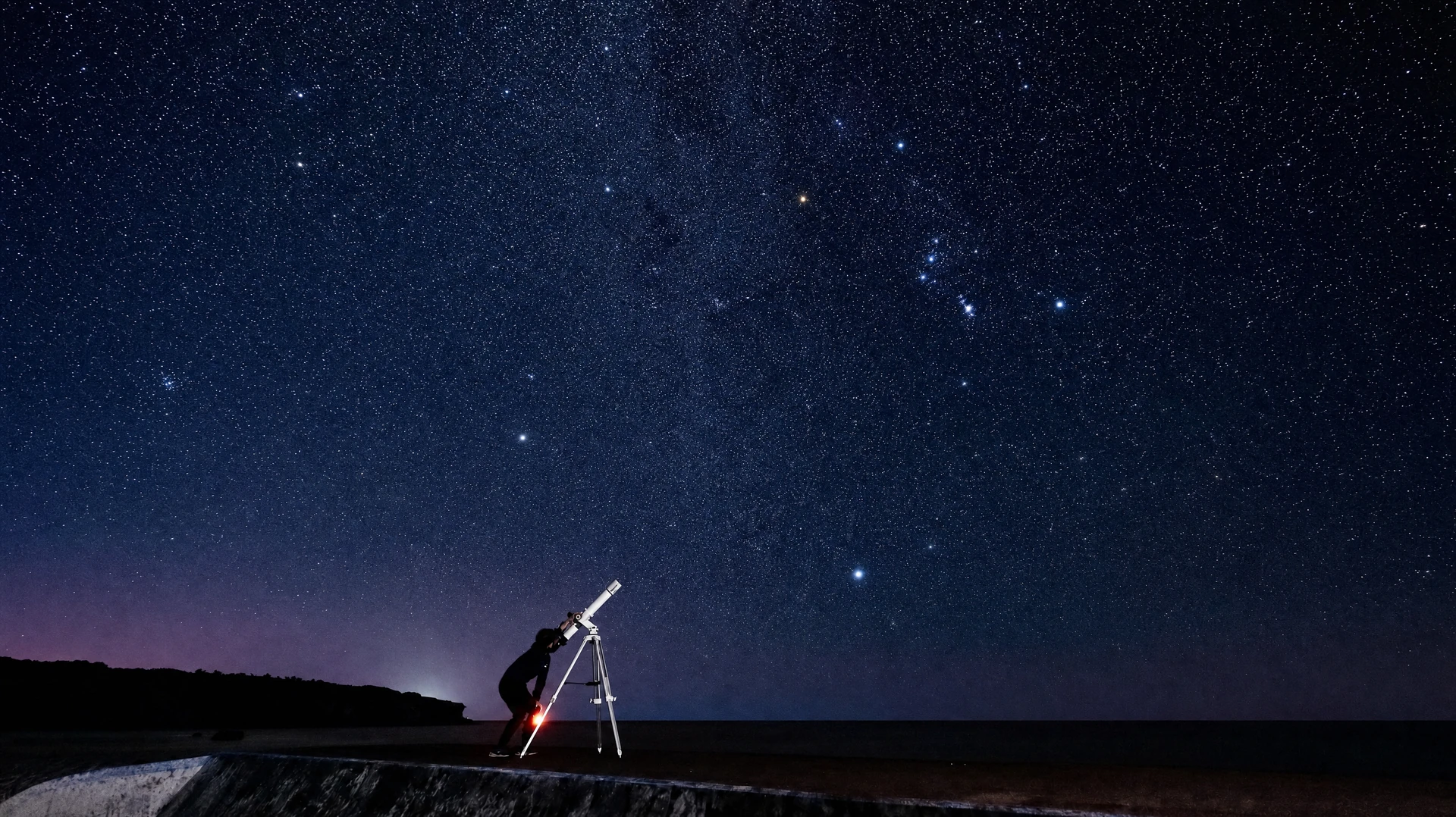
Winter in Miyakojima is a different kind of island journey.
Tokyo-autumn temperatures, winter manta diving, stargazing and slower villa days—plan a Miyakojima trip from December to February.
Read the winter guide →Choose your island base after planning the trip.
Both private villas sleep up to 6 guests in three bedrooms. Premier Villa Miyako also has a tatami room beside the living area.
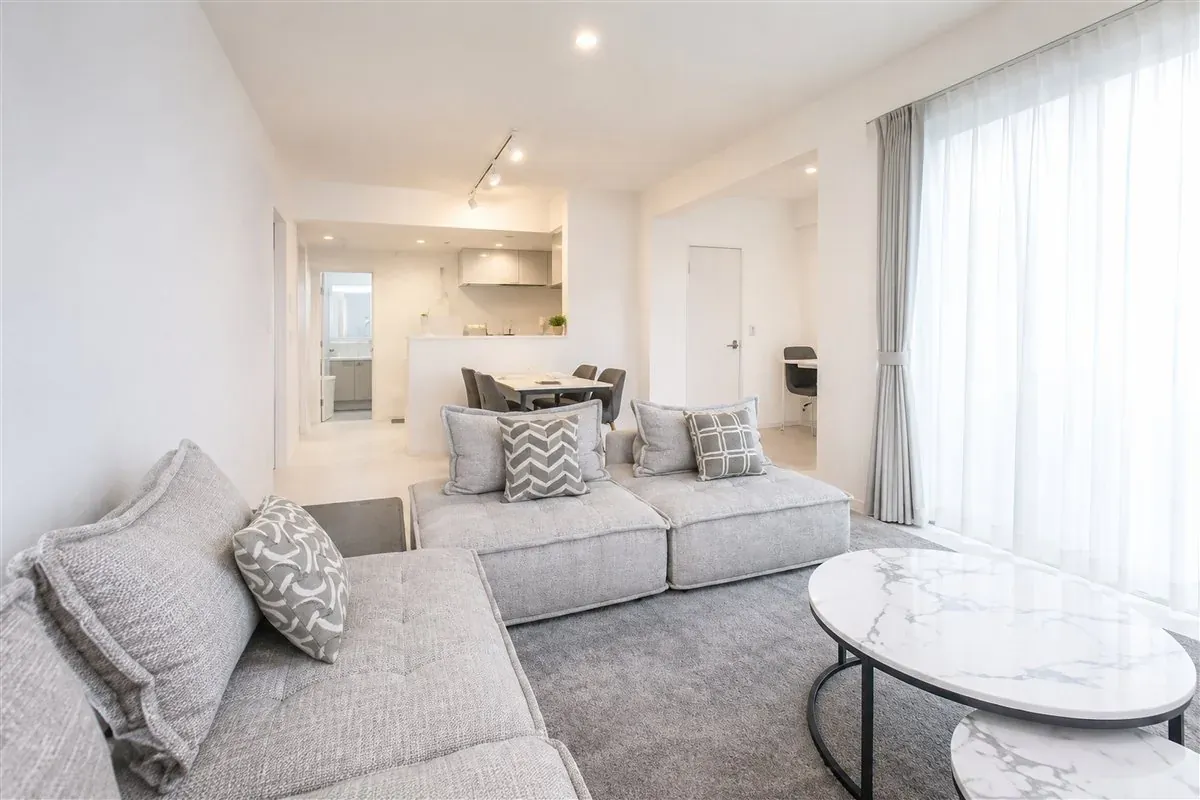
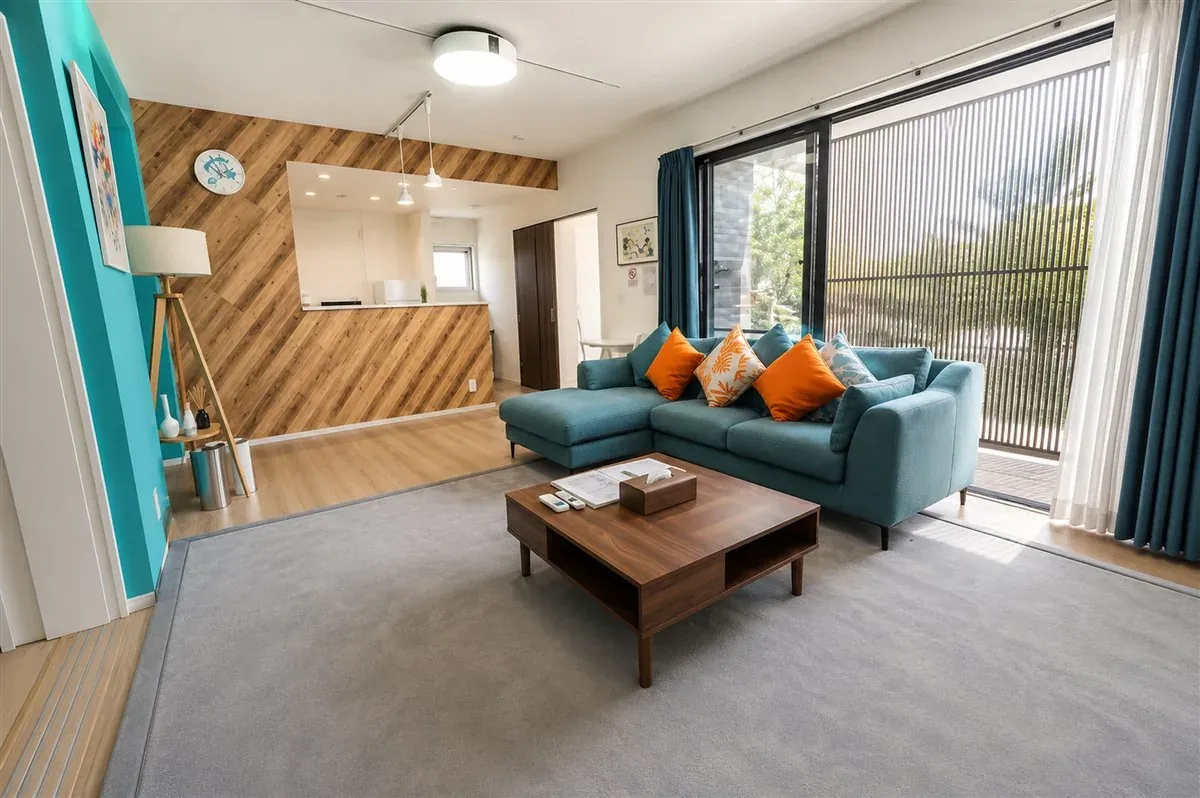
Prices, business hours, etc. are subject to change. Please check each official information for the latest information.